

What's inside
What's inside
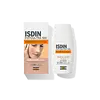 Key Ingredients
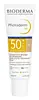
Benefits
Concerns
Ingredients Side-by-side
Water
Skin ConditioningDibutyl Adipate
EmollientPropylene Glycol Dicaprylate/Dicaprate
EmollientSilica
Abrasive


Diethylamino Hydroxybenzoyl Hexyl Benzoate
UV Filter
Isododecane
EmollientBis-Ethylhexyloxyphenol Methoxyphenyl Triazine
Skin Conditioning
Diisopropyl Sebacate
EmollientEthylhexyl Salicylate
UV Absorber
Ethylhexyl Triazone
UV Absorber
Caprylic/Capric Triglyceride
Masking


Glycerin
Humectant
Niacinamide
Smoothing







C12-15 Alkyl Benzoate
AntimicrobialTitanium Dioxide
Cosmetic Colorant
Polyglyceryl-6 Polyhydroxystearate
Emulsifying
Maltodextrin
Absorbent
Polyglyceryl-6 Polyricinoleate
Emulsifying
1,2-Hexanediol
Skin Conditioning
Sodium Chloride
MaskingSucrose Dilaurate
Emollient
Stearalkonium Hectorite
Gel FormingHydroxyacetophenone
Antioxidant
Polyglyceryl-2 Dipolyhydroxystearate
Skin Conditioning
Tocopheryl Acetate
Antioxidant
Trimethylpentanediol/Adipic Acid/Glycerin Crosspolymer
Skin ConditioningPolyglyceryl-3 Diisostearate
Emulsifying

Polyglyceryl-3 Polyricinoleate
Emulsifying
CI 77492
Cosmetic ColorantSclareolide
Masking
Diethylhexyl Syringylidenemalonate
Skin ProtectingSodium Cocoyl Glutamate
Cleansing
Sorbitan Laurate
Emulsifying
Dimethicone
Emollient
Ethylhexylglycerin
Skin ConditioningCI 77491
Cosmetic ColorantC18-36 Acid Glycol Ester
EmollientC18-36 Acid Triglyceride
EmollientPisum Sativum Extract
Skin ConditioningGlyceryl Stearate
Emollient
Tetrasodium Glutamate Diacetate
CI 77499
Cosmetic ColorantTriethoxycaprylylsilane
Palmitoyl Tripeptide-1
Skin Conditioning
Palmitoyl Tetrapeptide-7
Skin Conditioning
Water, Dibutyl Adipate, Propylene Glycol Dicaprylate/Dicaprate, Silica, Diethylamino Hydroxybenzoyl Hexyl Benzoate, Isododecane, Bis-Ethylhexyloxyphenol Methoxyphenyl Triazine, Diisopropyl Sebacate, Ethylhexyl Salicylate, Ethylhexyl Triazone, Caprylic/Capric Triglyceride, Glycerin, Niacinamide, C12-15 Alkyl Benzoate, Titanium Dioxide, Polyglyceryl-6 Polyhydroxystearate, Maltodextrin, Polyglyceryl-6 Polyricinoleate, 1,2-Hexanediol, Sodium Chloride, Sucrose Dilaurate, Stearalkonium Hectorite, Hydroxyacetophenone, Polyglyceryl-2 Dipolyhydroxystearate, Tocopheryl Acetate, Trimethylpentanediol/Adipic Acid/Glycerin Crosspolymer, Polyglyceryl-3 Diisostearate, Polyglyceryl-3 Polyricinoleate, CI 77492, Sclareolide, Diethylhexyl Syringylidenemalonate, Sodium Cocoyl Glutamate, Sorbitan Laurate, Dimethicone, Ethylhexylglycerin, CI 77491, C18-36 Acid Glycol Ester, C18-36 Acid Triglyceride, Pisum Sativum Extract, Glyceryl Stearate, Tetrasodium Glutamate Diacetate, CI 77499, Triethoxycaprylylsilane, Palmitoyl Tripeptide-1, Palmitoyl Tetrapeptide-7
Water
Skin ConditioningDibutyl Adipate
EmollientCI 77891
Cosmetic ColorantTitanium Dioxide
Cosmetic Colorant
Diisopropyl Sebacate
EmollientDiethylamino Hydroxybenzoyl Hexyl Benzoate
UV Filter
Methylene Bis-Benzotriazolyl Tetramethylbutylphenol
UV Filter
Diethylhexyl Butamido Triazone
UV Absorber
Potassium Cetyl Phosphate
EmulsifyingBis-Ethylhexyloxyphenol Methoxyphenyl Triazine
Skin Conditioning
Corn Starch Modified
AbsorbentPentylene Glycol
Skin Conditioning
Propanediol
Solvent
CI 77492
Cosmetic ColorantSilica
Abrasive
C20-22 Alkyl Phosphate
EmulsifyingC20-22 Alcohols
Emulsion Stabilising
Decyl Glucoside
Cleansing
Tocopheryl Acetate
Antioxidant
CI 77491
Cosmetic ColorantPolyacrylate Crosspolymer-6
Emulsion StabilisingCaprylyl Glycol
Emollient
Xanthan Gum
EmulsifyingCI 77499
Cosmetic ColorantEctoin
Skin Conditioning
Mannitol
Humectant
Xylitol
Humectant
Sodium Lauroyl Glutamate
Rhamnose
HumectantLysine
Skin ConditioningPropylene Glycol
Humectant

Sodium Hydroxide
BufferingMagnesium Chloride
Glabridin
BleachingFructooligosaccharides
Humectant
Caprylic/Capric Triglyceride
Masking
Laminaria Ochroleuca Extract
Skin Conditioning
Water, Dibutyl Adipate, CI 77891, Titanium Dioxide, Diisopropyl Sebacate, Diethylamino Hydroxybenzoyl Hexyl Benzoate, Methylene Bis-Benzotriazolyl Tetramethylbutylphenol, Diethylhexyl Butamido Triazone, Potassium Cetyl Phosphate, Bis-Ethylhexyloxyphenol Methoxyphenyl Triazine, Corn Starch Modified, Pentylene Glycol, Propanediol, CI 77492, Silica, C20-22 Alkyl Phosphate, C20-22 Alcohols, Decyl Glucoside, Tocopheryl Acetate, CI 77491, Polyacrylate Crosspolymer-6, Caprylyl Glycol, Xanthan Gum, CI 77499, Ectoin, Mannitol, Xylitol, Sodium Lauroyl Glutamate, Rhamnose, Lysine, Propylene Glycol, Sodium Hydroxide, Magnesium Chloride, Glabridin, Fructooligosaccharides, Caprylic/Capric Triglyceride, Laminaria Ochroleuca Extract
Reviews
Ingredients Explained
These ingredients are found in both products.
Ingredients higher up in an ingredient list are typically present in a larger amount.
You might know this ingredient as Tinosorb S or Bemotrizinol. It is a UV filter that covers both UVA and UVB rays.
This ingredient has two peak UV absorption peaks ( 310 and 340 nm) and is able to absorb both UV-A and UV-B rays. This ingredient works by preventing UV rays from reaching and damaging your skin.
On top of that - it is highly photostable and helps prevent the photodegration of other sunscreen ingredients such as avobenzone.
Tinosorb S is allowed in the EU, Australia, and Asia. It is close to being approved by the FDA and we'll hopefully get this ingredient in the U.S. by late 2026.
Fun fact: Tinosorb S is the most effective UV absorber at maximum concentration (measured by SPF) permitted in the EU.
This ingredient is oil-soluble, so your oil-cleansers will take this right off at night.
Learn more about Bis-Ethylhexyloxyphenol Methoxyphenyl TriazineThis ingredient is a lightweight emollient, solvent, and texture enhancer. It is considered a skin-softener by helping the skin prevent moisture loss.
It helps thicken a product's formula and makes it easier to spread by dissolving clumping compounds.
Caprylic Triglyceride is made by combining glycerin with coconut oil, forming a clear liquid. Though it behaves like an oil, it is not technically one due to its chemical composition. It is very stable, resistant to oxidation, and unlikely to go rancid. In practice, that translates to a long shelf life and a consistently elegant skin feel.
While there is an assumption Caprylic Triglyceride can clog pores due to it being derived from coconut oil, there is no research supporting this. Be sure to patch test if you have concerns.
Fractionated coconut oil and MCT Oil are both listed as Caprylic/Capric Triglyceride according to INCI. This is because INCI names are based on the ingredient’s final chemical composition and not its marketing name or source.
Learn more about Caprylic/Capric TriglycerideCi 77491 is also hydrated iron III oxide. It's sole purpose is to give a red/pink hue to products.
Iron III oxides are classified as inorganic chemicals for coloring.
Synthetically created Ci 77491 is considered safer than those naturally found. This is because the synthetically created version may contain less impurities. Iron oxides are generally non-toxic and non-allergenic.
Learn more about CI 77491CI 77492 is also hydrated iron III oxide. It's sole purpose is to give a yellow hue to products.
Iron III oxides are classified as inorganic chemicals for coloring.
Synthetically created CI 77492 is considered safer than those naturally found. This is because the synthetically created version may contain less impurities. Iron oxides are generally non-toxic and non-allergenic.
Learn more about CI 77492Ci 77499 is also hydrated iron III oxide. It is created from mixing red and black iron oxides. This helps give shades of darkness to a product.
Iron III oxides are classified as inorganic chemicals for coloring.
Dibutyl Adipate is an emollient and solvent. It is created from butyl alcohol and adipic acid.
As a solvent, Dibutyl Adipate helps mix and disperse ingredients evenly.
Dibutyl Adipate is soluble in water and organic solvents. It does not absorb UV rays.
Learn more about Dibutyl AdipateDiethylamino Hydroxybenzoyl Hexyl Benzoate (DHHB) is a chemical UV-A absorber. It is formulated for high UVA protection (320-400 nm).
DHHB is well-liked for:
DHHB has been approved by the EU, Japan, Taiwan, and South America for use up to 10%. Unfortunately, it has not been approved for use in the US or Canada due to slow regulatory processes.
This ingredient is soluble in oils, fats, and lipids.
Learn more about Diethylamino Hydroxybenzoyl Hexyl BenzoateWe don't have a description for Diisopropyl Sebacate yet.
Silica, also known as silicon dioxide, is a naturally occurring mineral. It is used as a fine, spherical, and porous powder in cosmetics.
Though it has exfoliant properties, the function of silica varies depending on the product.
The unique structure of silica enhances the spreadability and adds smoothness, making it a great texture enhancer.
It is also used as an active carrier, emulsifier, and mattifier due to its ability to absorb excess oil.
In some products, tiny microneedles called spicules are made from silica or hydrolyzed sponge. When you rub them in, they lightly polish away dead skin layers and enhance the penetration of active ingredients.
Learn more about SilicaTitanium dioxide is a mineral UV filter widely used in sunscreens and cosmetics.
It is one of only two UV filters officially classified as “mineral” by regulatory agencies, the other being zinc oxide.
Titanium dioxide provides broad-spectrum protection mostly in the UVB and UVAII range, with some protection in the UVAI range.
While its UVA protection isn’t as strong as zinc oxide’s, the difference is minor.
A common myth is that mineral UV filters reflect UV light. However, modern research shows titanium dioxide absorbs UV radiation like chemical filters (~95% absorption & 5% reflection).
Thanks to its non-irritating nature, titanium dioxide is suitable for sensitive, acne-prone, or redness-prone skin. It is unlikely to cause "eye sting" like other sunscreen ingredients.
A major drawback of this ingredient is its white cast and thick texture. This is why mineral sunscreens often leave a white cast and are less cosmetically elegant than chemical/hybrid sunscreens.
To improve white cast and spreadability, micronized or nano-sized titanium dioxide is often used.
There are ongoing concerns surrounding nano-titanium oxide's impact on marine ecosystems.
There is no conclusive evidence that any form of titanium oxide (or any other sunscreen ingredients) will cause harm to marine ecosystems or coral reefs. The science is still developing but many consumers are keeping a close eye on this issue.
Please note, many destinations have reef-safety sunscreen rules. For instance, the U.S. Virgin Islands advises all visitors to use non-nano mineral sunscreens.
Nano mineral sunscreens once raised safety concerns about absorption into skin.
Extensive research has shown that they do not penetrate healthy or damaged skin; they remain safely on the surface and the top layer of dead skin (stratum corneum).
You'll likely find titanium dioxide bundled with alumina, silica, or dimethicone. These ingredients help make titanium dioxide highly photostable; this prevents it from interacting with other formula components under UV light.
Learn more about Titanium DioxideTocopheryl Acetate is AKA Vitamin E. It is an antioxidant and protects your skin from free radicals. Free radicals damage the skin by breaking down collagen.
One study found using Tocopheryl Acetate with Vitamin C decreased the number of sunburned cells.
Tocopheryl Acetate is commonly found in both skincare and dietary supplements.
Learn more about Tocopheryl AcetateWater. It's the most common cosmetic ingredient of all. You'll usually see it at the top of ingredient lists, meaning that it makes up the largest part of the product.
So why is it so popular? Water most often acts as a solvent - this means that it helps dissolve other ingredients into the formulation.
You'll also recognize water as that liquid we all need to stay alive. If you see this, drink a glass of water. Remember to stay hydrated!
Learn more about Water
