

What's inside
What's inside
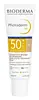 Key Ingredients
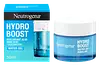
Benefits
Concerns
Ingredients Side-by-side
Water
Skin ConditioningDibutyl Adipate
EmollientCI 77891
Cosmetic ColorantTitanium Dioxide
Cosmetic Colorant

Diisopropyl Sebacate
EmollientDiethylamino Hydroxybenzoyl Hexyl Benzoate
UV Filter
Methylene Bis-Benzotriazolyl Tetramethylbutylphenol
UV Filter
Diethylhexyl Butamido Triazone
UV Absorber
Potassium Cetyl Phosphate
EmulsifyingBis-Ethylhexyloxyphenol Methoxyphenyl Triazine
Skin Conditioning
Corn Starch Modified
AbsorbentPentylene Glycol
Skin Conditioning
Propanediol
Solvent
CI 77492
Cosmetic ColorantSilica
Abrasive


C20-22 Alkyl Phosphate
EmulsifyingC20-22 Alcohols
Emulsion Stabilising
Decyl Glucoside
Cleansing
Tocopheryl Acetate
Antioxidant


CI 77491
Cosmetic ColorantPolyacrylate Crosspolymer-6
Emulsion StabilisingCaprylyl Glycol
Emollient
Xanthan Gum
EmulsifyingCI 77499
Cosmetic ColorantEctoin
Skin Conditioning




Mannitol
Humectant
Xylitol
Humectant
Sodium Lauroyl Glutamate
SurfactantRhamnose
HumectantLysine
Skin ConditioningPropylene Glycol
Humectant

Sodium Hydroxide
BufferingMagnesium Chloride
Glabridin
BleachingFructooligosaccharides
Humectant
Caprylic/Capric Triglyceride
Masking
Laminaria Ochroleuca Extract
Skin Conditioning
Water, Dibutyl Adipate, CI 77891, Titanium Dioxide, Diisopropyl Sebacate, Diethylamino Hydroxybenzoyl Hexyl Benzoate, Methylene Bis-Benzotriazolyl Tetramethylbutylphenol, Diethylhexyl Butamido Triazone, Potassium Cetyl Phosphate, Bis-Ethylhexyloxyphenol Methoxyphenyl Triazine, Corn Starch Modified, Pentylene Glycol, Propanediol, CI 77492, Silica, C20-22 Alkyl Phosphate, C20-22 Alcohols, Decyl Glucoside, Tocopheryl Acetate, CI 77491, Polyacrylate Crosspolymer-6, Caprylyl Glycol, Xanthan Gum, CI 77499, Ectoin, Mannitol, Xylitol, Sodium Lauroyl Glutamate, Rhamnose, Lysine, Propylene Glycol, Sodium Hydroxide, Magnesium Chloride, Glabridin, Fructooligosaccharides, Caprylic/Capric Triglyceride, Laminaria Ochroleuca Extract
Water
Skin ConditioningGlycerin
Humectant
Dimethicone
Emollient
Cetearyl Olivate

Sorbitan Olivate
Emulsifying
Alanine
Masking
Glycine
Buffering
Threonine
Lidocaine Hcl
Serine
Masking
Arginine
Masking
Proline
Skin Conditioning
Allantoin
Skin Conditioning
Maltose
MaskingEthylhexylglycerin
Skin ConditioningCaprylyl Glycol
Emollient
Dimethiconol
Emollient
Pentylene Glycol
Skin Conditioning
Sodium Hyaluronate
Humectant
Fructose
Humectant
Betaine
Humectant
PCA
Humectant
Sodium PCA
Humectant
Urea
Buffering

Glucose
Humectant
Trehalose
Humectant
Sodium Lactate
Buffering
Glutamic Acid
Humectant
Synthetic Beeswax
Emulsion Stabilising
Dimethicone Crosspolymer
Emulsion Stabilising
Polyacrylate Crosspolymer-6
Emulsion StabilisingSodium Chloride
MaskingT-Butyl Alcohol
Perfuming


Citric Acid
Buffering
Sodium Hydroxide
BufferingTocopherol
Antioxidant
Parfum
Masking
CI 42090
Cosmetic ColorantWater, Glycerin, Dimethicone, Cetearyl Olivate, Sorbitan Olivate, Alanine, Glycine, Threonine, Lidocaine Hcl, Serine, Arginine, Proline, Allantoin, Maltose, Ethylhexylglycerin, Caprylyl Glycol, Dimethiconol, Pentylene Glycol, Sodium Hyaluronate, Fructose, Betaine, PCA, Sodium PCA, Urea, Glucose, Trehalose, Sodium Lactate, Glutamic Acid, Synthetic Beeswax, Dimethicone Crosspolymer, Polyacrylate Crosspolymer-6, Sodium Chloride, T-Butyl Alcohol, Citric Acid, Sodium Hydroxide, Tocopherol, Parfum, CI 42090
Reviews
Ingredients Explained
These ingredients are found in both products.
Ingredients higher up in an ingredient list are typically present in a larger amount.
Caprylyl Glycol is a humectant, skin conditioner, emollient, and preservative booster derived from either caprylic acid or synthetically created.
Typical use levels vary from 0.3-1% as a preservative booster and go up to 2% to condition skin.
Because it is not a free-fatty acid or alcohol, this ingredient is fungal acne safe (there's nothing for Malassezia to feed on).
Learn more about Caprylyl GlycolPentylene glycol is typically used within a product to thicken it. It also adds a smooth, soft, and moisturizing feel to the product. It is naturally found in plants such as sugar beets.
The hydrophilic trait of Pentylene Glycol makes it a humectant. As a humectant, Pentylene Glycol helps draw moisture from the air to your skin. This can help keep your skin hydrated.
This property also makes Pentylene Glycol a great texture enhancer. It can also help thicken or stabilize a product.
Pentylene Glycol also acts as a mild preservative and helps to keep a product microbe-free.
Some people may experience mild eye and skin irritation from Pentylene Glycol. We always recommend speaking with a professional about using this ingredient in your routine.
Pentylene Glycol has a low molecular weight and is part of the 1,2-glycol family.
Learn more about Pentylene GlycolPolyacrylate Crosspolymer-6 is a texture enhancer and pH adjuster.
It is be used to thicken water-based products and create a gel-texture with a velvet feel.
One manufacturer claims this ingredient to have a pH range of 2-8 and to be biodegradable.
This ingredient is also known as Sepimax Zen.
Learn more about Polyacrylate Crosspolymer-6Sodium Hydroxide is also known as lye or caustic soda. It is used to adjust the pH of products; many ingredients require a specific pH to be effective.
In small amounts, sodium hydroxide is considered safe to use. However, large amounts may cause chemical burns due to its high alkaline.
Your skin has a natural pH and acid mantle. This acid mantle helps prevent harmful bacteria from breaking through. The acid mantle also helps keep your skin hydrated.
"Alkaline" refers to a high pH level. A low pH level would be considered acidic.
Learn more about Sodium HydroxideWater. It's the most common cosmetic ingredient of all. You'll usually see it at the top of ingredient lists, meaning that it makes up the largest part of the product.
So why is it so popular? Water most often acts as a solvent - this means that it helps dissolve other ingredients into the formulation.
You'll also recognize water as that liquid we all need to stay alive. If you see this, drink a glass of water. Remember to stay hydrated!
Learn more about Water
