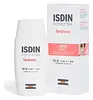
This mineral sunscreen covers the full UV range and blocks ~98% of UVB at SPF 50.
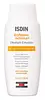
This chemical sunscreen covers the full UV range and blocks ~98% of UVB at SPF 50.

What's inside
What's inside
 Key Ingredients
Benefits
Concerns
Ingredients Side-by-side
Zinc Oxide 11%
Cosmetic Colorant


Water
Skin ConditioningDiethylhexyl Carbonate
EmollientDibutyl Adipate
EmollientCyclopentasiloxane
Emollient
Dicaprylyl Carbonate
EmollientAlcohol Denat.
Antimicrobial




Cyclohexasiloxane
Emollient
Butylene Glycol
Humectant

PEG-30 Dipolyhydroxystearate
Emulsifying
Nylon-12
PEG-10 Dimethicone
Skin Conditioning
Dimethicone
Emollient
Sodium Chloride
MaskingPhenoxyethanol
Preservative
Disteardimonium Hectorite
StabilisingTriethoxycaprylylsilane
Tocopheryl Acetate
Antioxidant


Glyceryl Stearate
Emollient
Parfum
Masking

Bisabolol
Antioxidant

Disodium EDTA
ChelatingEthylhexylglycerin
Skin ConditioningPanthenol
Skin Conditioning
PEG-8
HumectantTocopherol
Antioxidant

Lecithin
Emollient
Plankton Extract
Skin ConditioningAscorbyl Palmitate
Antioxidant
Ascorbic Acid
Antioxidant
Citric Acid
Buffering
Zinc Oxide 11%, Water, Diethylhexyl Carbonate, Dibutyl Adipate, Cyclopentasiloxane, Dicaprylyl Carbonate, Alcohol Denat., Cyclohexasiloxane, Butylene Glycol, PEG-30 Dipolyhydroxystearate, Nylon-12, PEG-10 Dimethicone, Dimethicone, Sodium Chloride, Phenoxyethanol, Disteardimonium Hectorite, Triethoxycaprylylsilane, Tocopheryl Acetate, Glyceryl Stearate, Parfum, Bisabolol, Disodium EDTA, Ethylhexylglycerin, Panthenol, PEG-8, Tocopherol, Lecithin, Plankton Extract, Ascorbyl Palmitate, Ascorbic Acid, Citric Acid
Water
Skin ConditioningPropylene Glycol Dicaprylate/Dicaprate
EmollientCoco-Caprylate/Caprate
Emollient
Ethylhexyl Salicylate
UV Absorber
Ethylhexyl Triazone
UV Absorber
Bis-Ethylhexyloxyphenol Methoxyphenyl Triazine
UV Absorber
Diethylamino Hydroxybenzoyl Hexyl Benzoate
UV Filter
Niacinamide
Smoothing


Methylene Bis-Benzotriazolyl Tetramethylbutylphenol
UV Filter
C15-19 Alkane
SolventPotassium Azeloyl Diglycinate
Skin Conditioning
Alpha-Glucan Oligosaccharide
Cleansing
Pentylene Glycol
Skin Conditioning
Polyglyceryl-6 Stearate
Emollient
1,2-Hexanediol
Skin Conditioning
Caprylyl Glycol
Emollient
Tocopheryl Acetate
Antioxidant
4-T-Butylcyclohexanol
Masking
Polysorbate 60
Emulsifying
Decyl Glucoside
Cleansing
Hydroxyacetophenone
Antioxidant
Pentaerythrityl Tetra-Di-T-Butyl Hydroxyhydrocinnamate
Antioxidant
Hesperidin Methyl Chalcone
Antioxidant
Sphingomonas Ferment Extract
Skin Conditioning
CI 77891
Cosmetic ColorantTetrasodium Glutamate Diacetate
ChelatingCitric Acid
Buffering
Polyglyceryl-6 Behenate
Emulsion Stabilising
Mica
Cosmetic ColorantPropylene Glycol
Humectant
Acrylates/Beheneth-25 Methacrylate Copolymer
Xanthan Gum
EmulsifyingTin Oxide
Abrasive
Tocopherol
Antioxidant
Water, Propylene Glycol Dicaprylate/Dicaprate, Coco-Caprylate/Caprate, Ethylhexyl Salicylate, Ethylhexyl Triazone, Bis-Ethylhexyloxyphenol Methoxyphenyl Triazine, Diethylamino Hydroxybenzoyl Hexyl Benzoate, Niacinamide, Methylene Bis-Benzotriazolyl Tetramethylbutylphenol, C15-19 Alkane, Potassium Azeloyl Diglycinate, Alpha-Glucan Oligosaccharide, Pentylene Glycol, Polyglyceryl-6 Stearate, 1,2-Hexanediol, Caprylyl Glycol, Tocopheryl Acetate, 4-T-Butylcyclohexanol, Polysorbate 60, Decyl Glucoside, Hydroxyacetophenone, Pentaerythrityl Tetra-Di-T-Butyl Hydroxyhydrocinnamate, Hesperidin Methyl Chalcone, Sphingomonas Ferment Extract, CI 77891, Tetrasodium Glutamate Diacetate, Citric Acid, Polyglyceryl-6 Behenate, Mica, Propylene Glycol, Acrylates/Beheneth-25 Methacrylate Copolymer, Xanthan Gum, Tin Oxide, Tocopherol
Reviews
Ingredients Explained
These ingredients are found in both products.
Ingredients higher up in an ingredient list are typically present in a larger amount.
Citric Acid is an alpha hydroxy acid (AHA) naturally found in citrus fruits like oranges, lemons, and limes.
Like other AHAs, citric acid can exfoliate skin by breaking down the bonds that hold dead skin cells together. This helps reveal smoother and brighter skin underneath.
However, this exfoliating effect only happens at high concentrations (20%) which can be hard to find in cosmetic products.
Due to this, citric acid is usually included in small amounts as a pH adjuster. This helps keep products slightly more acidic and compatible with skin's natural pH.
In skincare formulas, citric acid can:
While it can provide some skin benefits, research shows lactic acid and glycolic acid are generally more effective and less irritating exfoliants.
Most citric acid used in skincare today is made by fermenting sugars (usually from molasses). This synthetic version is identical to the natural citrus form but easier to stabilize and use in formulations.
Rosacea skin has a lower threshold for acids generally, with 62.5% of rosacea subjects in one study reacting to lactic acid in a sting test. This is why we mark citric acid as a potential rosacea trigger.
However, this ingredient shows up as a pH adjuster or chelator at roughly 0.1-1% in many products. These low levels are unlikely to be an issue for rosacea skin and becomes a potential trigger at exfoliating concentrations (20%). Because everybody's skin is unique, we recommend a patch test if you are unsure.
Learn more about Citric AcidTocopherol is a fat-soluble antioxidant known as Vitamin E.
You'll find this ingredient in the vast majority of skincare (for good reason). It works to neutralize free radicals, or unstable molecules generated by UV exposure, pollution, and other environmental stressors, before they can cause oxidative damage to your skin cells.
Topically applied tocopherol has been shown to protect against UV damage by ramping up the skin's own natural defense enzymes.
It also acts as a skin conditioning agent; some studies show that regular topical use can improve the skin's water-binding capacity over 2-4 weeks.
This ingredient is especially loved for being a team player. When combined with Vitamin C, the photoprotective effect of both ingredients roughly doubles and the combo also helps reduce UV-induced DNA damage.
This ingredient has some brightening potential but it's more of a prevention ingredient than spot-fader. Cell studies show it can slow down melanin production but it's worth noting that it's not the most powerful brightener out there.
In formulations, it also serves as a stabilizer that helps protect other oxidation-prone ingredients from degrading.
Concentrations usually range from 0.1-1% in most leave-on products.
Learn more about TocopherolTocopheryl Acetate is a stable, shelf-friendly form of vitamin E.
Formulators love it because plain vitamin E oxidizes quickly once it hits air. This acetate version stays stable and resists going off, helping to extend a product's shelf life.
It's actually inactive on its own and works like a slow-release "storage" form; the enzymes in your skin called esterases gradually convert it into active vitamin E over time.
One in vivo study showed 5% of the acetate in the living layer of the epidermis converted to vitamin E after 5 days of application. This study also found the skin gained protection against UV damage even though the conversion was slow and small.
Once converted, vitamin E acts as a skin's main fat-soluble antioxidant that fights free radicals to protect skin from damage.
Topical vitamin E generally boosts the skin's photoprotection, and it reduced UV-damage in animal models.
This ingredient has some brightening potential but it's more of a prevention ingredient than spot-fader. Cell studies show it can slow down melanin production but it's worth noting that it's not the most powerful brightener out there.
Overall, it has a pretty solid safety profile and has been found to be non-irritating and non-comedogenic. Allergic reactions may happen but stay rare due to how widely the ingredient gets used.
The concentration will vary depending on the formula; industry data shows 0.1% in baby lotions, 3% in lipsticks, and 5% in foot powders. You can also find this ingredient at 100% in a pure vitamin E oil.
Most leave-on skincare keeps it at the lower end, often between 0.5-1%.
Learn more about Tocopheryl AcetateWater. It's the most common cosmetic ingredient of all. You'll usually see it at the top of ingredient lists, meaning that it makes up the largest part of the product.
So why is it so popular? Water most often acts as a solvent - this means that it helps dissolve other ingredients into the formulation.
You'll also recognize water as that liquid we all need to stay alive. If you see this, drink a glass of water. Remember to stay hydrated!
Learn more about Water

