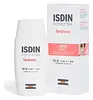
This chemical sunscreen covers the full UV range and blocks ~98% of UVB at SPF 50.
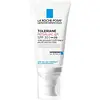
This chemical sunscreen covers the full UV range, though its SPF isn't confirmed on file yet.


What's inside
What's inside
 Key Ingredients
Benefits
Concerns
Ingredients Side-by-side
Water
Skin ConditioningPropylene Glycol Dicaprylate/Dicaprate
EmollientCoco-Caprylate/Caprate
Emollient
Ethylhexyl Salicylate
UV Absorber

Ethylhexyl Triazone
UV Absorber
Bis-Ethylhexyloxyphenol Methoxyphenyl Triazine
UV Absorber
Diethylamino Hydroxybenzoyl Hexyl Benzoate
UV Filter
Niacinamide
Smoothing











Methylene Bis-Benzotriazolyl Tetramethylbutylphenol
UV Filter
C15-19 Alkane
SolventPotassium Azeloyl Diglycinate
Skin Conditioning
Alpha-Glucan Oligosaccharide
Cleansing
Pentylene Glycol
Skin Conditioning
Polyglyceryl-6 Stearate
Emollient

1,2-Hexanediol
Skin Conditioning
Caprylyl Glycol
Emollient
Tocopheryl Acetate
Antioxidant

4-T-Butylcyclohexanol
Masking

Polysorbate 60
Emulsifying
Decyl Glucoside
Cleansing
Hydroxyacetophenone
Antioxidant
Pentaerythrityl Tetra-Di-T-Butyl Hydroxyhydrocinnamate
Antioxidant
Hesperidin Methyl Chalcone
Antioxidant
Sphingomonas Ferment Extract
Skin Conditioning
CI 77891
Cosmetic ColorantTetrasodium Glutamate Diacetate
Citric Acid
Buffering
Polyglyceryl-6 Behenate
Emulsion Stabilising
Mica
Cosmetic ColorantPropylene Glycol
Humectant
Acrylates/Beheneth-25 Methacrylate Copolymer
Xanthan Gum
EmulsifyingTin Oxide
Abrasive
Tocopherol
Antioxidant
Water, Propylene Glycol Dicaprylate/Dicaprate, Coco-Caprylate/Caprate, Ethylhexyl Salicylate, Ethylhexyl Triazone, Bis-Ethylhexyloxyphenol Methoxyphenyl Triazine, Diethylamino Hydroxybenzoyl Hexyl Benzoate, Niacinamide, Methylene Bis-Benzotriazolyl Tetramethylbutylphenol, C15-19 Alkane, Potassium Azeloyl Diglycinate, Alpha-Glucan Oligosaccharide, Pentylene Glycol, Polyglyceryl-6 Stearate, 1,2-Hexanediol, Caprylyl Glycol, Tocopheryl Acetate, 4-T-Butylcyclohexanol, Polysorbate 60, Decyl Glucoside, Hydroxyacetophenone, Pentaerythrityl Tetra-Di-T-Butyl Hydroxyhydrocinnamate, Hesperidin Methyl Chalcone, Sphingomonas Ferment Extract, CI 77891, Tetrasodium Glutamate Diacetate, Citric Acid, Polyglyceryl-6 Behenate, Mica, Propylene Glycol, Acrylates/Beheneth-25 Methacrylate Copolymer, Xanthan Gum, Tin Oxide, Tocopherol
Water
Skin ConditioningDrometrizole Trisiloxane
UV Absorber
Alcohol Denat.
Antimicrobial


Isopropyl Myristate
Emollient

Ethylhexyl Triazone
UV Absorber
Isononyl Isononanoate
EmollientPropylene Glycol Dicaprylate/Dicaprate
EmollientGlycerin
Humectant
Propanediol
Solvent
Isopropyl Lauroyl Sarcosinate
Skin ConditioningBis-Ethylhexyloxyphenol Methoxyphenyl Triazine
UV Absorber
Diisopropyl Sebacate
EmollientButyl Methoxydibenzoylmethane
UV Absorber
Cetearyl Alcohol
Emollient
Zea Mays Starch
Absorbent
Silica
Abrasive
Acrylates/C10-30 Alkyl Acrylate Crosspolymer
Emulsion StabilisingAmmonium Acryloyldimethyltaurate/Vp Copolymer
Caprylyl Glycol
Emollient
Carbomer
Emulsion StabilisingCetearyl Glucoside
Emulsifying
Hydroxyacetophenone
Antioxidant
Inulin Lauryl Carbamate
Emulsion StabilisingPEG-10 Dimethicone
Skin Conditioning
PEG-20
HumectantPotassium Hydroxide
BufferingSodium Stearoyl Glutamate
CleansingSphingomonas Ferment Extract
Skin Conditioning
T-Butyl Alcohol
Perfuming
Tocopherol
Antioxidant
Trisodium Ethylenediamine Disuccinate
Water, Drometrizole Trisiloxane, Alcohol Denat., Isopropyl Myristate, Ethylhexyl Triazone, Isononyl Isononanoate, Propylene Glycol Dicaprylate/Dicaprate, Glycerin, Propanediol, Isopropyl Lauroyl Sarcosinate, Bis-Ethylhexyloxyphenol Methoxyphenyl Triazine, Diisopropyl Sebacate, Butyl Methoxydibenzoylmethane, Cetearyl Alcohol, Zea Mays Starch, Silica, Acrylates/C10-30 Alkyl Acrylate Crosspolymer, Ammonium Acryloyldimethyltaurate/Vp Copolymer, Caprylyl Glycol, Carbomer, Cetearyl Glucoside, Hydroxyacetophenone, Inulin Lauryl Carbamate, PEG-10 Dimethicone, PEG-20, Potassium Hydroxide, Sodium Stearoyl Glutamate, Sphingomonas Ferment Extract, T-Butyl Alcohol, Tocopherol, Trisodium Ethylenediamine Disuccinate
Reviews
Ingredients Explained
These ingredients are found in both products.
Ingredients higher up in an ingredient list are typically present in a larger amount.
This ingredient is better known as bemotrizinol or Tinosorb S and is one of the best broad-spectrum UV filters in modern sunscreen.
It works by absorbing UV light across a whole range (280-400 nm) with peaks around 310 nm (UVB) and 340-345 nm (UVA). This means it covers UVB plus the deeper UVA wavelengths that drive photoaging and pigmentation.
Another pro?
It's exceptionally photostable, barely degrades in sunlight, and acts as a "bodyguard" for less stable filters.
That's why you'll see it paired with avobenzone or octinoxate; this team up ensures they keep working through sun exposure.
Safety reviews have been reassuring across the board. This ingredient shows low absorption through the skin, rarely irritates, and lab studies found it doesn't act like a hormone in the body (a concern that's been raised about some older sunscreen filters).
On maximum concentrations:
In 2026, the US F.D.A finally added it as an OTC sunscreen ingredient at concentrations up to 6% for adults / children 6 months and older
Learn more about Bis-Ethylhexyloxyphenol Methoxyphenyl TriazineCaprylyl Glycol is a humectant, skin conditioner, emollient, and preservative booster derived from either caprylic acid or synthetically created.
Typical use levels vary from 0.3-1% as a preservative booster and go up to 2% to condition skin.
Because it is not a free-fatty acid, this ingredient is fungal acne safe (there's nothing for Malassezia to feed on).
Learn more about Caprylyl GlycolEthylhexyl Triazone (aka Octyl Triazone) is an oil-soluble organic UVB filter. It has peak absorption around 314 nm, right in the middle of the UVB range.
This ingredient is described as one of the most effective UVB filters available and small concentrations are enough to deliver a high SPF thanks to its strong UV absorbing power.
Formulators love it for its stability; its ability to filter UV stays practically unchanged even under intense radiation and it can also help boost the photostability of less stable filters like avobenzone.
It's also a great pick for water resistant products because it's insoluble in water and has a good affinity for keratin.
Because it's a big, heavy molecule, the European Scientific Committee has found to to have very low dermal penetration and negative results for allergenicity.
In vitro testing also showed a low absorption rate and clean results on irritation.
Typical use levels are 1-5% with 5% being the maximum in the EU, Japan, and other markets that allow it. However, this ingredient is not approved yet in the US or Canada.
Learn more about Ethylhexyl TriazoneHydroxyacetophenone is a small phenolic molecule that earns its place in a formulas as an antioxidant and preservative booster.
As a phenol, it is able to neutralize free radicals to protect both the product and the skin from oxidative stress.
Though it can't kill microbes on its own, it works as a good supporting agent when combined with other preservatives like Phenoxyethanol or 1,2-Hexanediol.
This ingredient naturally occurs as piceol in Norwegian spruce needles (~0.4-1.1% dry weight and in cloudberries). Though the cosmetic-grade material is synthesized for purity and consistency.
You'll usually see it used at low levels and suppliers recommend up to 1% added to a water phase.
Safety testing was done at concentrations like 0.05% in SPF products and 0.5% in a Human Repeated Insult Patch Test. The safety evidence is assuring; this ingredient is safe for cosmetics in current use and also holds safety status as a food flavoring as well.
An honest caveat: the "soothing" and "anti-inflammatory" claims come mostly from supplier marketing rather than published clinical trials. The Cosmetic Ingredient Review's own literature search found no useful efficacy studies on this ingredient.
So the antioxidant and preservative-boosting roles are the well supported ones while the calming benefit is plausible but thinly evidenced.
Overall, this is a well-tolerated, low-irritation multitasker that quietly helps a formula stay fresh and stable.
Learn more about HydroxyacetophenoneThis ingredient is an emollient designed to leave a non-greasy feel. It is also a skin conditioning agent and viscosity modifier.
Skin irritation studies for this ingredient (up to 80%) showed mimimal to no irritation.
One thing worth knowing: this ingredient may enhance the skin penetration of other ingredients.
Overall, this ingredient is a well-tolerated and lightweight emollient.
Learn more about Propylene Glycol Dicaprylate/DicaprateThis ingredient is created by the fermentation of Sphingomonas, an interesting bacteria. Sphingomonas bacteria use ubiquinone-10 to help them breathe and their cell walls contain ceramides.
Early research suggests that certain skin bacteria, especially Sphingomonas, could play a helpful role in skin health.
In small studies, these bacteria seemed to become more common after regular sun exposure, with one strain showing the ability to resist UV light and reduce stress in skin cells. Another study also linked Sphingomonas to smoother and more supple skin.
While these results sound promising, the research is still in its early stages, and more studies are needed to know how reliable or meaningful these effects really are.
Fun fact: Unlike most microbes, Sphingomonas can survive the wine fermentation process, making it a tiny microbial marker of a wine's unique "terroir", or the environment’s “fingerprint” on the wine.
Like other ferments, this ingredient may not be Malassezia folliculitis safe.
Learn more about Sphingomonas Ferment ExtractTocopherol is a fat-soluble antioxidant known as Vitamin E.
You'll find this ingredient in the vast majority of skincare (for good reason). It works to neutralize free radicals, or unstable molecules generated by UV exposure, pollution, and other environmental stressors, before they can cause oxidative damage to your skin cells.
Topically applied tocopherol has been shown to protect against UV damage by ramping up the skin's own natural defense enzymes.
It also acts as a skin conditioning agent; some studies show that regular topical use can improve the skin's water-binding capacity over 2-4 weeks.
This ingredient is especially loved for being a team player. When combined with Vitamin C, the photoprotective effect of both ingredients roughly doubles and the combo also helps reduce UV-induced DNA damage.
This ingredient has some brightening potential but it's more of a prevention ingredient than spot-fader. Cell studies show it can slow down melanin production but it's worth noting that it's not the most powerful brightener out there.
In formulations, it also serves as a stabilizer that helps protect other oxidation-prone ingredients from degrading.
Concentrations usually range from 0.1-1% in most leave-on products.
Learn more about TocopherolWater. It's the most common cosmetic ingredient of all. You'll usually see it at the top of ingredient lists, meaning that it makes up the largest part of the product.
So why is it so popular? Water most often acts as a solvent - this means that it helps dissolve other ingredients into the formulation.
You'll also recognize water as that liquid we all need to stay alive. If you see this, drink a glass of water. Remember to stay hydrated!
Learn more about Water

