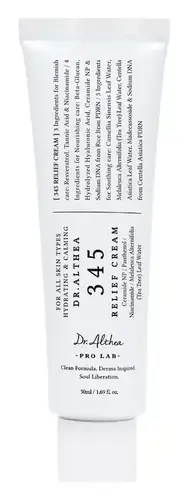
This oil-control day moisturizer is formulated around Niacinamide and Zea Mays Starch to balance excess oil and strengthen the skin barrier.
This chemical sunscreen covers the full UV range and blocks ~97% of UVB at SPF 30.


What's inside
What's inside
 Key Ingredients
Benefits
Concerns
Ingredients Side-by-side
Water
Skin ConditioningNiacinamide
Smoothing











Glycerin
Humectant
Cetearyl Isononanoate
Emollient
C14-22 Alcohols
Emulsion Stabilising
Isopropyl Myristate
Emollient




Zea Mays Starch
Absorbent
Ceramide NP
Skin Conditioning
Ceramide AP
Skin Conditioning
Ceramide EOP
Skin Conditioning
Carbomer
Emulsion StabilisingCetearyl Alcohol
Emollient
Behentrimonium Methosulfate
SurfactantTriethyl Citrate
Masking

Silica
Abrasive
Sodium Hydroxide
BufferingSodium Hyaluronate
Humectant
Sodium Lauroyl Lactylate
EmulsifyingCholesterol
Emollient
Phenoxyethanol
Preservative
Citric Acid
Buffering
Caprylyl Glycol
Emollient
Trisodium Ethylenediamine Disuccinate
ChelatingXanthan Gum
EmulsifyingPhytosphingosine
Skin Conditioning
Polyacrylate Crosspolymer-6
Emulsion StabilisingBenzoic Acid
Masking
C12-20 Alkyl Glucoside
EmulsifyingWater, Niacinamide, Glycerin, Cetearyl Isononanoate, C14-22 Alcohols, Isopropyl Myristate, Zea Mays Starch, Ceramide NP, Ceramide AP, Ceramide EOP, Carbomer, Cetearyl Alcohol, Behentrimonium Methosulfate, Triethyl Citrate, Silica, Sodium Hydroxide, Sodium Hyaluronate, Sodium Lauroyl Lactylate, Cholesterol, Phenoxyethanol, Citric Acid, Caprylyl Glycol, Trisodium Ethylenediamine Disuccinate, Xanthan Gum, Phytosphingosine, Polyacrylate Crosspolymer-6, Benzoic Acid, C12-20 Alkyl Glucoside
Water
Skin ConditioningDrometrizole Trisiloxane
UV Absorber

Alcohol Denat.
Antimicrobial

Isopropyl Myristate
Emollient
Ethylhexyl Triazone
UV Absorber
Isononyl Isononanoate
EmollientPropylene Glycol Dicaprylate/Dicaprate
EmollientGlycerin
Humectant
Propanediol
Solvent
Isopropyl Lauroyl Sarcosinate
Skin ConditioningBis-Ethylhexyloxyphenol Methoxyphenyl Triazine
UV Absorber
Diisopropyl Sebacate
EmollientButyl Methoxydibenzoylmethane
UV Absorber
Cetearyl Alcohol
Emollient
Zea Mays Starch
Absorbent
Silica
Abrasive
Acrylates/C10-30 Alkyl Acrylate Crosspolymer
Emulsion StabilisingAmmonium Acryloyldimethyltaurate/Vp Copolymer
Caprylyl Glycol
Emollient
Carbomer
Emulsion StabilisingCetearyl Glucoside
Emulsifying
Hydroxyacetophenone
Antioxidant
Inulin Lauryl Carbamate
Emulsion StabilisingPEG-10 Dimethicone
Skin Conditioning
PEG-20
HumectantPotassium Hydroxide
BufferingSodium Stearoyl Glutamate
CleansingSphingomonas Ferment Extract
Skin Conditioning
T-Butyl Alcohol
Perfuming
Tocopherol
Antioxidant
Trisodium Ethylenediamine Disuccinate
ChelatingWater, Drometrizole Trisiloxane, Alcohol Denat., Isopropyl Myristate, Ethylhexyl Triazone, Isononyl Isononanoate, Propylene Glycol Dicaprylate/Dicaprate, Glycerin, Propanediol, Isopropyl Lauroyl Sarcosinate, Bis-Ethylhexyloxyphenol Methoxyphenyl Triazine, Diisopropyl Sebacate, Butyl Methoxydibenzoylmethane, Cetearyl Alcohol, Zea Mays Starch, Silica, Acrylates/C10-30 Alkyl Acrylate Crosspolymer, Ammonium Acryloyldimethyltaurate/Vp Copolymer, Caprylyl Glycol, Carbomer, Cetearyl Glucoside, Hydroxyacetophenone, Inulin Lauryl Carbamate, PEG-10 Dimethicone, PEG-20, Potassium Hydroxide, Sodium Stearoyl Glutamate, Sphingomonas Ferment Extract, T-Butyl Alcohol, Tocopherol, Trisodium Ethylenediamine Disuccinate
Reviews
Ingredients Explained
These ingredients are found in both products.
Ingredients higher up in an ingredient list are typically present in a larger amount.
Caprylyl Glycol is a humectant, skin conditioner, emollient, and preservative booster derived from either caprylic acid or synthetically created.
Typical use levels vary from 0.3-1% as a preservative booster and go up to 2% to condition skin.
Because it is not a free-fatty acid, this ingredient is fungal acne safe (there's nothing for Malassezia to feed on).
Learn more about Caprylyl GlycolCarbomer is a synthetic thickening and gelling agent. It's basically the ingredient that gives a lot of serums, gels, creams, and sunscreens their smooth, non-sticky texture.
Although legally permitted at very high levels, carbomers are normally used at concentrations below 1%.
It also needs to be neutralized to actually thicken, and because it is a large molecule, it doesn't really penetrate the skin barrier.
Allergy-wise, the risk is very low. Clinical studies show carbomers have low potential for skin irritation/sensitization even at concentrations up to 100%.
A 2024 UK study patch-tested 1,302 patients and found true allergy to the parent group of carbomer to be rare with no confirmed relevant reactions.
Learn more about CarbomerCetearyl alcohol is a waxy mixture of two fatty alcohols: cetyl alcohol and stearyl alcohol. It is an emollient and emulsifier.
Despite having "alcohol" in its name, it has nothing to do with drying solvent alcohols; the FDA also allows "alcohol-free" products to contain fatty alcohols like this ingredient.
It plays several roles in a formula:
Typical use levels for this ingredient sit around 1-10% and the Cosmetic Ingredient Review Expert Panel has affirmed safety at concentrations up to 25% in leave-on products.
Multiple assessments have found it to be non-irritating and non-sensitizing to most people.
However, there have been some cases of allergic contact dermatitis in patients with chronically compromised skin barriers.
Cetearyl alcohol has a comedogenic rating of 2 and irritancy rating of 1. Both of these numbers come from the 1989 study that used rabbit ears; a "2" means mildly comedogenic and a "1" means low irritancy.
Here's the catch: rabbit skin is more sensitive than human skin and throws a lot of false positives. A 1996 reappraisal found that ingredients rated 1-2 in the rabbit ear tests are generally safe for humans.
Remember comedogenic ratings are unable to assess the entire formula of a product or how it will react on your skin. Just be sure to patch test if you are unsure about certain ingredients.
This ingredient is not fungal acne safe. Cetearyl alcohol is a fatty alcohol with chain lengths that fall within the range that Malassezia can metabolize.
A 2019 study has also observed Malassezia growth in the presence of this ingredient, confirming it to be not-fungal acne safe.
Learn more about Cetearyl AlcoholGlycerin (or glycerol) is a compound naturally found in your skin. It's a powerhouse humectant that pulls water into the stratum corneum.
Topically, glycerin does several things at once:
Your skin makes glycerin on its own (mostly from sebaceous oil breakdown) and shuttles it to your outermost layer of skin, or your epidermis, via aquaporin-3.
Aquaporin-3 is a transporter that is essential for normal skin hydration, elasticity, and repair. Interestingly, mice lacking in AQP3 have dry and less elastic skin that can be fully corrected with glycerin.
This ingredient is non-irritating, plays well with almost every ingredient, and works across all skin types. Typical use is anywhere between 3-10% but can go up to 79% in some leave-on products.
Just know very high concentrations (>40%) can feel tacky in low humidity.
Glycerin is the name for this ingredient in American English. British English uses Glycerol/Glycerine.
Learn more about GlycerinIsopropyl Myristate is an ester made by combining isopropyl alcohol with myristic acid.
It is primarily an emollient and penetration enhancer that gives products a lightweight, silky feel without the heaviness of oils.
This ingredient is generally considered non-toxic, non-irritating, and has low absorption potential.
This ingredient does have a comedogenic rating of 3-5, but this doesn't mean a formula with this ingredient will clog pores.
Dermatologist Dr. Zoe Draelos has also confirmed in a peer-reviewed paper that products containing comedogenic ingredients are not necessarily comedogenic themselves.
A small subset of people (~2%) may experience contact sensitivity so patch testing is a reasonable idea if you have reactive skin.
Since this ingredient is an ester of myristic acid (a C14 fatty acid), it falls within the carbon chain range that is known to feed Malassezia. This ingredient may not be fungal acne safe.
Learn more about Isopropyl MyristateSilica, also known as silicon dioxide, is a naturally occurring mineral. It is used as a fine, spherical, and porous powder in cosmetics.
Though it has exfoliant properties, the function of silica varies depending on the product.
The unique structure of silica enhances the spreadability and adds smoothness, making it a great texture enhancer.
It is also used as an active carrier, emulsifier, and mattifier due to its ability to absorb excess oil.
In some products, tiny microneedles called spicules are made from silica or hydrolyzed sponge. When you rub them in, they lightly polish away dead skin layers and enhance the penetration of active ingredients.
Learn more about SilicaTrisodium Ethylenediamine Disuccinate is used to help stabilize a product.
It is a chelating agent, meaning it helps prevent metal ions from binding to other ingredients. This prevents unwanted reactions in products. Metal ions can come into a product via the water ingredient. They are found in trace amounts and are not known to be harmful.
Water. It's the most common cosmetic ingredient of all. You'll usually see it at the top of ingredient lists, meaning that it makes up the largest part of the product.
So why is it so popular? Water most often acts as a solvent - this means that it helps dissolve other ingredients into the formulation.
You'll also recognize water as that liquid we all need to stay alive. If you see this, drink a glass of water. Remember to stay hydrated!
Learn more about WaterZea Mays Starch is starch made from corn. You might know this as cornstarch . It is used to thicken a product. It can replace talc as an absorbent.
The pH of cornstarch is 5.92.
Cornstarch is a common food ingredient used to thicken soups or to make corn syrup.
Learn more about Zea Mays Starch