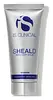
This barrier-repair moisturizer is formulated around Sodium Hyaluronate and Petrolatum to strengthen the skin barrier and calm redness.
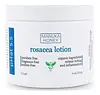
This calming moisturizer is formulated around Aloe Barbadensis Leaf Juice and Panthenol to calm redness and strengthen the skin barrier.

What's inside
What's inside
 Key Ingredients
Benefits
Concerns
Ingredients Side-by-side
Water
Skin ConditioningSodium Hyaluronate
Humectant




Glycerin
Humectant
C12-15 Pareth-3 Benzoate
AntimicrobialPetrolatum
Emollient


Tocopherol
Antioxidant



Beta-Glucan
Skin Conditioning
Cetearyl Alcohol
Emollient





Ceteareth-20
Cleansing
Glyceryl Stearate
Emollient
PEG-100 Stearate
Surfactant
Piper Methysticum Leaf/Root/Stem Extract
Skin ConditioningAhnfeltia Concinna Extract
Skin ConditioningSorbitan Stearate
Emulsifying
PEG-8
HumectantPEG-8/Smdi Copolymer
Zea Mays Kernel Extract
Panthenol
Skin Conditioning
Ceramide NP
Skin Conditioning
Sodium Lauroyl Lactylate
EmulsifyingButylene Glycol
Humectant
Polysorbate 20
Emulsifying
Xanthan Gum
EmulsifyingCarbomer
Emulsion StabilisingRetinyl Palmitate
Skin Conditioning
Triethanolamine
BufferingCeramide AP
Skin Conditioning
Ceramide EOP
Skin Conditioning
Caprylyl Glycol
Emollient
Cholesterol
Emollient
Phytosphingosine
Skin Conditioning
Avena Sativa Kernel Extract
Abrasive
1,2-Hexanediol
Skin Conditioning
Disodium EDTA
ChelatingWater, Sodium Hyaluronate, Glycerin, C12-15 Pareth-3 Benzoate, Petrolatum, Tocopherol, Beta-Glucan, Cetearyl Alcohol, Ceteareth-20, Glyceryl Stearate, PEG-100 Stearate, Piper Methysticum Leaf/Root/Stem Extract, Ahnfeltia Concinna Extract, Sorbitan Stearate, PEG-8, PEG-8/Smdi Copolymer, Zea Mays Kernel Extract, Panthenol, Ceramide NP, Sodium Lauroyl Lactylate, Butylene Glycol, Polysorbate 20, Xanthan Gum, Carbomer, Retinyl Palmitate, Triethanolamine, Ceramide AP, Ceramide EOP, Caprylyl Glycol, Cholesterol, Phytosphingosine, Avena Sativa Kernel Extract, 1,2-Hexanediol, Disodium EDTA
Aloe Barbadensis Leaf Juice
Skin Conditioning
Cocos Nucifera Oil
Masking
Theobroma Cacao Seed Butter
Emollient
Leptospermum Scoparium Mel
Butyrospermum Parkii Butter
Skin Conditioning
Centipeda Cunninghamii Extract
Skin ConditioningGlycerin
Humectant
Emulsifying Wax
Caprylic/Capric Triglyceride
Masking
Cannabis Sativa Seed Oil
Emollient
Olea Europaea Fruit Oil
Masking
Dimethyl Sulfone
SolventTocopheryl Acetate
Antioxidant
Panthenol
Skin Conditioning
Retinyl Palmitate
Skin Conditioning
Sodium Ascorbyl Phosphate
Antioxidant


Hydrolyzed Oat Protein
Skin ConditioningFrog Fat Extract
HumectantSaccharomyces/Copper Ferment
Skin Conditioning
Saccharomyces/Magnesium Ferment
Saccharomyces/Potassium Ferment
Skin Conditioning
Adenosine Triphosphate
Skin ConditioningRiboflavin
Cosmetic ColorantTapioca Starch
Polysorbate 80
Emulsifying
Sodium Hydroxide
BufferingTitanium Dioxide
Cosmetic Colorant

Carbomer
Emulsion StabilisingXanthan Gum
EmulsifyingChondrus Crispus
Masking
Glucose
Humectant
Sodium
Hyaluronic Acid
Humectant
Geogard
Phenoxyethanol
Preservative
Aloe Barbadensis Leaf Juice, Cocos Nucifera Oil, Theobroma Cacao Seed Butter, Leptospermum Scoparium Mel, Butyrospermum Parkii Butter, Centipeda Cunninghamii Extract, Glycerin, Emulsifying Wax, Caprylic/Capric Triglyceride, Cannabis Sativa Seed Oil, Olea Europaea Fruit Oil, Dimethyl Sulfone, Tocopheryl Acetate, Panthenol, Retinyl Palmitate, Sodium Ascorbyl Phosphate, Hydrolyzed Oat Protein, Frog Fat Extract, Saccharomyces/Copper Ferment, Saccharomyces/Magnesium Ferment, Saccharomyces/Potassium Ferment, Adenosine Triphosphate, Riboflavin, Tapioca Starch, Polysorbate 80, Sodium Hydroxide, Titanium Dioxide, Carbomer, Xanthan Gum, Chondrus Crispus, Glucose, Sodium, Hyaluronic Acid, Geogard, Phenoxyethanol
Reviews
Ingredients Explained
These ingredients are found in both products.
Ingredients higher up in an ingredient list are typically present in a larger amount.
Carbomer is a synthetic thickening and gelling agent. It's basically the ingredient that gives a lot of serums, gels, creams, and sunscreens their smooth, non-sticky texture.
Although legally permitted at very high levels, carbomers are normally used at concentrations below 1%.
It also needs to be neutralized to actually thicken, and because it is a large molecule, it doesn't really penetrate the skin barrier.
Allergy-wise, the risk is very low. Clinical studies show carbomers have low potential for skin irritation/sensitization even at concentrations up to 100%.
A 2024 UK study patch-tested 1,302 patients and found true allergy to the parent group of carbomer to be rare with no confirmed relevant reactions.
Learn more about CarbomerGlycerin (or glycerol) is a compound naturally found in your skin. It's a powerhouse humectant that pulls water into the stratum corneum.
Topically, glycerin does several things at once:
Your skin makes glycerin on its own (mostly from sebaceous oil breakdown) and shuttles it to your outermost layer of skin, or your epidermis, via aquaporin-3.
Aquaporin-3 is a transporter that is essential for normal skin hydration, elasticity, and repair. Interestingly, mice lacking in AQP3 have dry and less elastic skin that can be fully corrected with glycerin.
This ingredient is non-irritating, plays well with almost every ingredient, and works across all skin types. Typical use is anywhere between 3-10% but can go up to 79% in some leave-on products.
Just know very high concentrations (>40%) can feel tacky in low humidity.
Glycerin is the name for this ingredient in American English. British English uses Glycerol/Glycerine.
Learn more about GlycerinPanthenol is a common ingredient that helps hydrate and soothe the skin. It is found naturally in our skin and hair.
There are two forms of panthenol: D and L.
D-panthenol is also known as dexpanthenol. Most cosmetics use dexpanthenol or a mixture of D and L-panthenol.
Panthenol is famous due to its ability to go deeper into the skin's layers. Using this ingredient has numerous pros (and no cons):
Like hyaluronic acid, panthenol is a humectant. Humectants are able to bind and hold large amounts of water to keep skin hydrated.
This ingredient works well for wound healing. It works by increasing tissue in the wound and helps close open wounds.
Once oxidized, panthenol converts to pantothenic acid. Panthothenic acid is found in all living cells.
This ingredient is also referred to as pro-vitamin B5.
Learn more about PanthenolRetinyl Palmitate is a form of retinoid. Retinoids are the superstar class of anti-aging ingredients that include Tretinoin and Retinol.
This particular ingredient has had a bumpy year with its rise and fall in popularity.
First, Retinyl Palmitate is created from Palmitic Acid and Retinol. It is a Retinol ester and considered one of the weaker forms of retinoid.
This is because all retinoids have to be converted to Tretinoin, AKA Retinoic Acid.
Retinyl Palmitate is pretty far down the line and has to go through multiple conversions before its effects are seen. Once it's on your skin, enzymes called esterases convert it into Retinol, then into Retinal, and finally into Retinoic Acid; that's three steps with a little lost at each one.
The benefits of Retinyl Palmitate are debated due to this long and ineffective conversion line.
So why use it at all?
The answer is stability. Retinol and Retinoic Acid break down fast when they hit light, heat, and air, and Retinoic Acid can be pretty irritating on top of that.
Retinyl Palmitate is much more stable and gentler, making it easier to formulate with and easier on sensitive skin (even if it's weaker gram for gram).
Studies show Retinyl Palmitate to help:
Newer research from 2023-2025 also found that Retinyl Palmitate works especially well when paired with Retinol. The two seem to cover each other's weak spots; retinol brings the potency while Retinyl Palmitate brings the stability and gentleness. Together, they repair UV damage better than either one does alone.
This ingredient used to be found in sunscreens to boost the efficacy of sunscreen filters.
The downfall of Retinyl Palmitate was due to released reports about the ingredient being correlated to sun damage and skin tumors.
Most of this traces back to a 2012 US National Toxicology Program (NTP) study where hairless mice coated in Retinyl Palmitate cream and exposed to UV light developed skin tumors faster.
Here's the nuance, though.
When the Cosmetic Ingredient Review (CIR) Expert Panel went back through that study, they found methodological flaws and decided the results couldn't be interpreted as proof of extra risk.
The EU's Scientific Committee on Consumer Safety (SCCS) said the mouse findings might point to a concern but they're hard to apply to humans since hairless mouse skin and human skin behave differently.
While there is a study showing this ingredient to cause DNA damage when exposed to UVA, there is no concrete proof of it being linked to skin cancer. It is completely safe to use when used correctly.
Both the CIR and the SCCS consider it safe at the concentrations used in cosmetics; the SCCS specifically cleared retinoids up to 0.05% in body lotions and 0.3% in face creams, hand creams, and rinse-off products.
As of 2025, the EU has written those limits into law, plus a label warning about your total Vitamin A intake from all sources.
All retinoids increase your skin's sensitivity to the sun in the first few months of usage. Be especially careful with reapplying sunscreen when using any form of retinoid.
One more note: if you're pregnant, high doses of Vitamin A can be a concern, so a lot of people skip topical retinoids (including Retinyl Palmitate) during pregnancy just to be safe. Check with your doctor if you're unsure.
Fun fact: This ingredient is often added to low-fat milk to increase the levels of Vitamin A.
Learn more about Retinyl PalmitateXanthan gum is used as a stabilizer and thickener within cosmetic products. It helps give products a sticky, thick feeling - preventing them from being too runny.
On the technical side of things, xanthan gum is a polysaccharide - a combination consisting of multiple sugar molecules bonded together.
Xanthan gum is a pretty common and great ingredient. It is a natural, non-toxic, non-irritating ingredient that is also commonly used in food products.
Learn more about Xanthan Gum

