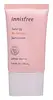
This oil-control day moisturizer is formulated around Methyl Methacrylate Crosspolymer to balance excess oil.
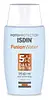
This chemical sunscreen covers the full UV range and blocks ~98% of UVB at SPF 50.


What's inside
What's inside
 Key Ingredients
Benefits
Concerns
Ingredients Side-by-side
Cyclopentasiloxane
Emollient
Water
Skin ConditioningZinc Oxide
Cosmetic Colorant


Titanium Dioxide
Cosmetic Colorant
Methyl Methacrylate Crosspolymer
PEG-10 Dimethicone
Skin Conditioning
Isodecyl Neopentanoate
EmollientSilica
Abrasive

Mica
Cosmetic ColorantGlycerin
Humectant


Disteardimonium Hectorite
StabilisingDipropylene Glycol
HumectantCyclomethicone
Emollient
Magnesium Sulfate
Aluminum Hydroxide
EmollientAluminum Stearate
Cosmetic ColorantPolymethyl Methacrylate
Vinyl Dimethicone/Methicone Silsesquioxane Crosspolymer
Methicone
Emollient
Stearoyl Inulin
EmollientPhenoxyethanol
Preservative
Sorbitan Sesquioleate
Emulsifying

Parfum
Masking



Caprylyl Glycol
Emollient
Propanediol
Solvent
Microcrystalline Cellulose
AbsorbentDimethicone/Vinyl Dimethicone Crosspolymer
Skin Conditioning
Glyceryl Caprylate
EmollientPolyglyceryl-6 Polyricinoleate
Emulsifying
Ethylhexylglycerin
Skin ConditioningDimethicone
Emollient
CI 77492
Cosmetic ColorantTriethoxycaprylylsilane
Centella Asiatica Extract
Cleansing



Portulaca Oleracea Extract
Skin Conditioning
Cellulose Gum
Emulsion StabilisingCI 77491
Cosmetic ColorantButylene Glycol
Humectant
CI 77499
Cosmetic ColorantCamellia Sinensis Leaf Extract
Antimicrobial

Helianthus Annuus Seed Oil
Emollient
Hamamelis Virginiana Leaf Extract
Skin Conditioning
Citrus Unshiu Peel Extract
MaskingOpuntia Coccinellifera Fruit Extract
Skin ConditioningOrchid Extract
Skin ConditioningCamellia Japonica Leaf Extract
Skin ConditioningCitric Acid
Buffering
Sodium Benzoate
Masking
Potassium Sorbate
Preservative
Cyclopentasiloxane, Water, Zinc Oxide, Titanium Dioxide, Methyl Methacrylate Crosspolymer, PEG-10 Dimethicone, Isodecyl Neopentanoate, Silica, Mica, Glycerin, Disteardimonium Hectorite, Dipropylene Glycol, Cyclomethicone, Magnesium Sulfate, Aluminum Hydroxide, Aluminum Stearate, Polymethyl Methacrylate, Vinyl Dimethicone/Methicone Silsesquioxane Crosspolymer, Methicone, Stearoyl Inulin, Phenoxyethanol, Sorbitan Sesquioleate, Parfum, Caprylyl Glycol, Propanediol, Microcrystalline Cellulose, Dimethicone/Vinyl Dimethicone Crosspolymer, Glyceryl Caprylate, Polyglyceryl-6 Polyricinoleate, Ethylhexylglycerin, Dimethicone, CI 77492, Triethoxycaprylylsilane, Centella Asiatica Extract, Portulaca Oleracea Extract, Cellulose Gum, CI 77491, Butylene Glycol, CI 77499, Camellia Sinensis Leaf Extract, Helianthus Annuus Seed Oil, Hamamelis Virginiana Leaf Extract, Citrus Unshiu Peel Extract, Opuntia Coccinellifera Fruit Extract, Orchid Extract, Camellia Japonica Leaf Extract, Citric Acid, Sodium Benzoate, Potassium Sorbate
Water
Skin ConditioningOctocrylene
UV Absorber
Ethylhexyl Salicylate
UV Absorber
Propanediol
Solvent
Butyl Methoxydibenzoylmethane
UV Absorber
Polymethyl Methacrylate
Dimethicone
Emollient
Phenylbenzimidazole Sulfonic Acid
UV Absorber
Polysilicone-15
UV Filter
Propylene Glycol Dicaprylate/Dicaprate
EmollientTromethamine
BufferingBis-Ethylhexyloxyphenol Methoxyphenyl Triazine
UV Absorber
Silica
Abrasive
Dimethicone/Vinyl Dimethicone Crosspolymer
Skin Conditioning
1,2-Hexanediol
Skin Conditioning
Polysorbate 60
Emulsifying
PEG-10 Dimethicone
Skin Conditioning
Sodium Hyaluronate
Humectant
Tocopheryl Acetate
Antioxidant
Xanthan Gum
EmulsifyingCaprylyl Glycol
Emollient
Parfum
Masking
Disodium EDTA
ChelatingPEG-8
HumectantTocopherol
Antioxidant
Tropolone
Skin ConditioningAscorbyl Palmitate
Antioxidant
Ascorbic Acid
Antioxidant
Citric Acid
Buffering
Water, Octocrylene, Ethylhexyl Salicylate, Propanediol, Butyl Methoxydibenzoylmethane, Polymethyl Methacrylate, Dimethicone, Phenylbenzimidazole Sulfonic Acid, Polysilicone-15, Propylene Glycol Dicaprylate/Dicaprate, Tromethamine, Bis-Ethylhexyloxyphenol Methoxyphenyl Triazine, Silica, Dimethicone/Vinyl Dimethicone Crosspolymer, 1,2-Hexanediol, Polysorbate 60, PEG-10 Dimethicone, Sodium Hyaluronate, Tocopheryl Acetate, Xanthan Gum, Caprylyl Glycol, Parfum, Disodium EDTA, PEG-8, Tocopherol, Tropolone, Ascorbyl Palmitate, Ascorbic Acid, Citric Acid
Reviews
Ingredients Explained
These ingredients are found in both products.
Ingredients higher up in an ingredient list are typically present in a larger amount.
Caprylyl Glycol is a humectant, skin conditioner, emollient, and preservative booster derived from either caprylic acid or synthetically created.
Typical use levels vary from 0.3-1% as a preservative booster and go up to 2% to condition skin.
Because it is not a free-fatty acid, this ingredient is fungal acne safe (there's nothing for Malassezia to feed on).
Learn more about Caprylyl GlycolCitric Acid is an alpha hydroxy acid (AHA) naturally found in citrus fruits like oranges, lemons, and limes.
Like other AHAs, citric acid can exfoliate skin by breaking down the bonds that hold dead skin cells together. This helps reveal smoother and brighter skin underneath.
However, this exfoliating effect only happens at high concentrations (20%) which can be hard to find in cosmetic products.
Due to this, citric acid is usually included in small amounts as a pH adjuster. This helps keep products slightly more acidic and compatible with skin's natural pH.
In skincare formulas, citric acid can:
While it can provide some skin benefits, research shows lactic acid and glycolic acid are generally more effective and less irritating exfoliants.
Most citric acid used in skincare today is made by fermenting sugars (usually from molasses). This synthetic version is identical to the natural citrus form but easier to stabilize and use in formulations.
Rosacea skin has a lower threshold for acids generally, with 62.5% of rosacea subjects in one study reacting to lactic acid in a sting test. This is why we mark citric acid as a potential rosacea trigger.
However, this ingredient shows up as a pH adjuster or chelator at roughly 0.1-1% in many products. These low levels are unlikely to be an issue for rosacea skin and becomes a potential trigger at exfoliating concentrations (20%). Because everybody's skin is unique, we recommend a patch test if you are unsure.
Learn more about Citric AcidDimethicone is a type of synthetic silicone created from natural materials such as quartz. It is also known as polydimethylsiloxane.
What it does:
Dimethicone comes in different viscosities:
Depending on the viscosity, dimethicone has different properties.
Ingredients lists don't always show which type is used, so we recommend reaching out to the brand if you have questions about the viscosity.
This ingredient is unlikely to cause irritation because it does not get absorbed into skin. However, people with silicone allergies should be careful about using this ingredient.
Note: Dimethicone may contribute to pilling. This is because it is not oil or water soluble, so pilling may occur when layered with products. When mixed with heavy oils in a formula, the outcome is also quite greasy.
Learn more about DimethiconeThis ingredient is a silicone elastomer that works as a texture enhancer, adds a silky slip, and also helps absorb excess oil.
Because it's a large macromolecule that's insoluble in water and chemically inert, it's not expected to penetrate or be absorbed into skin.
Human patch tests with a facial lotion containing 1% of this ingredient found no sensitization.
Learn more about Dimethicone/Vinyl Dimethicone CrosspolymerParfum is a catch-all term for an ingredient or more that is used to give a scent to products.
Also called "fragrance", this ingredient can be a blend of hundreds of chemicals or plant oils. This means every product with "fragrance" or "parfum" in the ingredients list is a different mixture.
For instance, Habanolide is a proprietary trade name for a specific aroma chemical. When used as a fragrance ingredient in cosmetics, most aroma chemicals fall under the broad labeling category of “FRAGRANCE” or “PARFUM” according to EU and US regulations.
The term 'parfum' or 'fragrance' is not regulated in many countries. In many cases, it is up to the brand to define this term.
For instance, many brands choose to label themselves as "fragrance-free" because they are not using synthetic fragrances. However, their products may still contain ingredients such as essential oils that are considered a fragrance by INCI standards.
One example is Calendula flower extract. Calendula is an essential oil that still imparts a scent or 'fragrance'.
Depending on the blend, the ingredients in the mixture can cause allergies and sensitivities on the skin. Some ingredients that are known EU allergens include linalool and citronellol.
Parfum can also be used to mask or cover an unpleasant scent.
The bottom line is: not all fragrances/parfum/ingredients are created equally. If you are worried about fragrances, we recommend taking a closer look at an ingredient. And of course, we always recommend speaking with a professional.
Learn more about ParfumPeg-10 Dimethicone is silicone with conditioner and emulsifier properties. It mostly acts as an emollient in skincare and and humectant in haircare.
According to the manufacturer, acidic formulations decrease the stability of this ingredient. It works best in neutral or near neutral formulations.
This ingredient is also known as PMMA. It is a polymer microsphere, composed of tiny, perfectly spherical particles formed from repeating units.
In cosmetics, PMMA is mainly used to give a soft or blurring effect. The transparent particles are able to scatter light and help reduce the appearance of fine-lines and imperfections.
PMMA is also able to enhance the texture of products by add a smooth feel.
Learn more about Polymethyl MethacrylatePropanediol is an all-star ingredient. It softens, hydrates, and smooths the skin.
It’s often used to:
Propanediol is not likely to cause sensitivity and considered safe to use. It is derived from corn or petroleum with a clear color and no scent.
Learn more about PropanediolSilica, also known as silicon dioxide, is a naturally occurring mineral. It is used as a fine, spherical, and porous powder in cosmetics.
Though it has exfoliant properties, the function of silica varies depending on the product.
The unique structure of silica enhances the spreadability and adds smoothness, making it a great texture enhancer.
It is also used as an active carrier, emulsifier, and mattifier due to its ability to absorb excess oil.
In some products, tiny microneedles called spicules are made from silica or hydrolyzed sponge. When you rub them in, they lightly polish away dead skin layers and enhance the penetration of active ingredients.
Learn more about SilicaWater. It's the most common cosmetic ingredient of all. You'll usually see it at the top of ingredient lists, meaning that it makes up the largest part of the product.
So why is it so popular? Water most often acts as a solvent - this means that it helps dissolve other ingredients into the formulation.
You'll also recognize water as that liquid we all need to stay alive. If you see this, drink a glass of water. Remember to stay hydrated!
Learn more about Water

