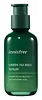
This hydrating serum is formulated around Camellia Sinensis Seed Oil and Panthenol to hydrate skin and calm redness.
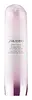
This brightening serum is formulated around 2-O-Ethyl Ascorbic Acid to brighten dull-looking skin.


What's inside
What's inside
 Key Ingredients
Benefits
Concerns
Ingredients Side-by-side
Water
Skin ConditioningPropanediol
Solvent

Alcohol
Antimicrobial




Glycerin
Humectant
Betaine
Humectant
1,2-Hexanediol
Skin Conditioning
Saccharide Isomerate
Humectant
Camellia Sinensis Seed Oil
Humectant

Cetearyl Olivate
Hydrogenated Lecithin
Emulsifying
Sorbitan Olivate
Emulsifying
Acrylates/C10-30 Alkyl Acrylate Crosspolymer
Emulsion StabilisingParfum
Masking

Panthenol
Skin Conditioning
Hydroxyethyl Acrylate/Sodium Acryloyldimethyl Taurate Copolymer
Emulsion StabilisingTromethamine
BufferingCeratonia Siliqua Gum
EmollientEthylhexylglycerin
Skin ConditioningDisodium EDTA
ChelatingCamellia Sinensis Leaf Extract
Antimicrobial




Dextrin
AbsorbentTheobroma Cacao Extract
Skin ConditioningSorbitan Isostearate
Emulsifying
Sodium Citrate
BufferingCitric Acid
Buffering
Sucrose
Humectant
Water, Propanediol, Alcohol, Glycerin, Betaine, 1,2-Hexanediol, Saccharide Isomerate, Camellia Sinensis Seed Oil, Cetearyl Olivate, Hydrogenated Lecithin, Sorbitan Olivate, Acrylates/C10-30 Alkyl Acrylate Crosspolymer, Parfum, Panthenol, Hydroxyethyl Acrylate/Sodium Acryloyldimethyl Taurate Copolymer, Tromethamine, Ceratonia Siliqua Gum, Ethylhexylglycerin, Disodium EDTA, Camellia Sinensis Leaf Extract, Dextrin, Theobroma Cacao Extract, Sorbitan Isostearate, Sodium Citrate, Citric Acid, Sucrose
Water
Skin ConditioningButylene Glycol
Humectant
Glycerin
Humectant
Dipropylene Glycol
HumectantPotassium Methoxysalicylate
BleachingDimethicone
Emollient
Behenyl Alcohol
Emollient
Triethylhexanoin
MaskingDiphenylsiloxy Phenyl Trimethicone
Skin Conditioning
Talc
Abrasive
Batyl Alcohol
EmollientDiisostearyl Malate
EmollientPhenoxyethanol
Preservative
PEG-6
HumectantPEG-32
HumectantBehenic Acid
Cleansing
PEG-60 Glyceryl Isostearate
Surfactant
PEG-10 Dimethicone
Skin Conditioning
Sodium Metaphosphate
BufferingDisodium EDTA
ChelatingTocopheryl Acetate
Antioxidant
PEG/PPG-17/4 Dimethyl Ether
Skin ConditioningPhytosteryl/Octyldodecyl Lauroyl Glutamate
Skin ConditioningSilica
Abrasive
Sodium Citrate
BufferingAlumina
Abrasive
Potassium Hydroxide
BufferingSuccinoglycan
Skin ConditioningPEG/PPG-14/7 Dimethyl Ether
Skin ConditioningDipotassium Glycyrrhizate
Humectant
2-O-Ethyl Ascorbic Acid
Skin Conditioning

Xanthan Gum
EmulsifyingCI 77891
Cosmetic ColorantAlcohol
Antimicrobial
Parfum
Masking
Caffeine
Skin Conditioning
Sodium Metabisulfite
Antioxidant
Citric Acid
Buffering
Linalool
Perfuming
Tocopherol
Antioxidant
Citronellol
Perfuming
Geraniol
Perfuming
Angelica Keiskei Leaf/Stem Extract
Skin ConditioningCrataegus Monogyna Flower Extract
Skin ConditioningLimonene
Perfuming
Cellulose
Absorbent
Pancratium Maritimum Extract
BleachingRehmannia Chinensis Root Extract
Skin ConditioningArtemisia Princeps Leaf Extract
Skin ConditioningPrunus Yedoensis Leaf Extract
Skin ConditioningZiziphus Jujuba Fruit Extract
Skin ConditioningPyrola Incarnata Extract
Skin ConditioningPotentilla Erecta Root Extract
Skin ConditioningWater, Butylene Glycol, Glycerin, Dipropylene Glycol, Potassium Methoxysalicylate, Dimethicone, Behenyl Alcohol, Triethylhexanoin, Diphenylsiloxy Phenyl Trimethicone, Talc, Batyl Alcohol, Diisostearyl Malate, Phenoxyethanol, PEG-6, PEG-32, Behenic Acid, PEG-60 Glyceryl Isostearate, PEG-10 Dimethicone, Sodium Metaphosphate, Disodium EDTA, Tocopheryl Acetate, PEG/PPG-17/4 Dimethyl Ether, Phytosteryl/Octyldodecyl Lauroyl Glutamate, Silica, Sodium Citrate, Alumina, Potassium Hydroxide, Succinoglycan, PEG/PPG-14/7 Dimethyl Ether, Dipotassium Glycyrrhizate, 2-O-Ethyl Ascorbic Acid, Xanthan Gum, CI 77891, Alcohol, Parfum, Caffeine, Sodium Metabisulfite, Citric Acid, Linalool, Tocopherol, Citronellol, Geraniol, Angelica Keiskei Leaf/Stem Extract, Crataegus Monogyna Flower Extract, Limonene, Cellulose, Pancratium Maritimum Extract, Rehmannia Chinensis Root Extract, Artemisia Princeps Leaf Extract, Prunus Yedoensis Leaf Extract, Ziziphus Jujuba Fruit Extract, Pyrola Incarnata Extract, Potentilla Erecta Root Extract
Reviews
Ingredients Explained
These ingredients are found in both products.
Ingredients higher up in an ingredient list are typically present in a larger amount.
This ingredient is also called ethanol or ethyl alcohol. It is denatured, meaning made undrinkable for cosmetic use.
In formulas, it:
Is it bad for your skin?
The answer comes down to concentration. Patch and wash studies have found highly concentrated alcohol-based hand rubs (60-100%) cause less barrier disruption than washing with a basic detergent like SLS. The only measurable effect in these studies was a temporary dip in skin hydration.
Concentrations below 12-15% in leave-on cosmetics is generally well-tolerated. Concentrations above start to see increased transepidermal water loss (TEWL) and reduced hydration.
In concentrations about 58%, it creates temporary channels in your skin's lipid layers to become more permeable and allow other ingredients to slip through easily.
This ingredient can be up to 80% of the formula in alcohol-based perfumes.
Overall, this ingredient is probably harmless if found lower down an ingredients list but worth side-eyeing if it's high up (especially if your barrier is already struggling).
Alcohol can worsen dry skin, eczema, and oily skin, especially at higher concentrations. This is because it can increase transepidermal water loss and decrease hydration to disrupt the skin barrier.
According to the National Rosacea Society based in the US, you should be mindful of products with these alcohols in the top half of ingredients.
True allergic contact dermatitis to ethanol is uncommon, but be sure to patch test if you have dry or sensitive skin.
Learn more about AlcoholCitric Acid is an alpha hydroxy acid (AHA) naturally found in citrus fruits like oranges, lemons, and limes.
Like other AHAs, citric acid can exfoliate skin by breaking down the bonds that hold dead skin cells together. This helps reveal smoother and brighter skin underneath.
However, this exfoliating effect only happens at high concentrations (20%) which can be hard to find in cosmetic products.
Due to this, citric acid is usually included in small amounts as a pH adjuster. This helps keep products slightly more acidic and compatible with skin's natural pH.
In skincare formulas, citric acid can:
While it can provide some skin benefits, research shows lactic acid and glycolic acid are generally more effective and less irritating exfoliants.
Most citric acid used in skincare today is made by fermenting sugars (usually from molasses). This synthetic version is identical to the natural citrus form but easier to stabilize and use in formulations.
Rosacea skin has a lower threshold for acids generally, with 62.5% of rosacea subjects in one study reacting to lactic acid in a sting test. This is why we mark citric acid as a potential rosacea trigger.
However, this ingredient shows up as a pH adjuster or chelator at roughly 0.1-1% in many products. These low levels are unlikely to be an issue for rosacea skin and becomes a potential trigger at exfoliating concentrations (20%). Because everybody's skin is unique, we recommend a patch test if you are unsure.
Learn more about Citric AcidDisodium EDTA is a chelating agent. It grabs onto and deactivates metal ions that sneak into your products from water, packaging, or air.
This ingredient mainly works behind the scenes and helps with:
On top of that, this ingredient can counteract the effects of hard water by binding to the minerals in it.
One thing worth knowing is that Disodium EDTA has been shown to be a mild penetration enhancer. It can help other ingredients absorb into skin more effectively which can be a double-edged sword (great for actives, but can also make the active too strong if you have sensitive skin).
Clinical patch testing showed no significant skin irritation at typical use concentrations and minimal dermal absorption.
You'll most likely see this ingredient near the end of an ingredient list. It's typically found in concentrations less than 1%.
Learn more about Disodium EDTAGlycerin (or glycerol) is a compound naturally found in your skin. It's a powerhouse humectant that pulls water into the stratum corneum.
Topically, glycerin does several things at once:
Your skin makes glycerin on its own (mostly from sebaceous oil breakdown) and shuttles it to your outermost layer of skin, or your epidermis, via aquaporin-3.
Aquaporin-3 is a transporter that is essential for normal skin hydration, elasticity, and repair. Interestingly, mice lacking in AQP3 have dry and less elastic skin that can be fully corrected with glycerin.
This ingredient is non-irritating, plays well with almost every ingredient, and works across all skin types. Typical use is anywhere between 3-10% but can go up to 79% in some leave-on products.
Just know very high concentrations (>40%) can feel tacky in low humidity.
Glycerin is the name for this ingredient in American English. British English uses Glycerol/Glycerine.
Learn more about GlycerinParfum is a catch-all term for an ingredient or more that is used to give a scent to products.
Also called "fragrance", this ingredient can be a blend of hundreds of chemicals or plant oils. This means every product with "fragrance" or "parfum" in the ingredients list is a different mixture.
For instance, Habanolide is a proprietary trade name for a specific aroma chemical. When used as a fragrance ingredient in cosmetics, most aroma chemicals fall under the broad labeling category of “FRAGRANCE” or “PARFUM” according to EU and US regulations.
The term 'parfum' or 'fragrance' is not regulated in many countries. In many cases, it is up to the brand to define this term.
For instance, many brands choose to label themselves as "fragrance-free" because they are not using synthetic fragrances. However, their products may still contain ingredients such as essential oils that are considered a fragrance by INCI standards.
One example is Calendula flower extract. Calendula is an essential oil that still imparts a scent or 'fragrance'.
Depending on the blend, the ingredients in the mixture can cause allergies and sensitivities on the skin. Some ingredients that are known EU allergens include linalool and citronellol.
Parfum can also be used to mask or cover an unpleasant scent.
The bottom line is: not all fragrances/parfum/ingredients are created equally. If you are worried about fragrances, we recommend taking a closer look at an ingredient. And of course, we always recommend speaking with a professional.
Learn more about ParfumSodium Citrate is the sodium salts of citric acid. In skincare, it is used to alter pH levels and acts as a preservative.
Its main functions are to maintain the pH of a product and neutralize metal ions.
The acidity of our skin is maintained by our glands and skin biome; normal pH level of skin is slightly acidic (~4.75-5.5).
Being slightly acidic allows our skin to create an "acid mantle". This acid mantle is a thin barrier that protects our skin from bacteria and contaminants.
Learn more about Sodium CitrateWater. It's the most common cosmetic ingredient of all. You'll usually see it at the top of ingredient lists, meaning that it makes up the largest part of the product.
So why is it so popular? Water most often acts as a solvent - this means that it helps dissolve other ingredients into the formulation.
You'll also recognize water as that liquid we all need to stay alive. If you see this, drink a glass of water. Remember to stay hydrated!
Learn more about Water

