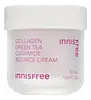
This barrier-repair moisturizer is formulated around Niacinamide and Ceramide NP to strengthen the skin barrier and soften the look of wrinkles.
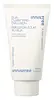
This oil-control emulsion is formulated around Niacinamide and Salicylic Acid to balance excess oil and clear breakouts.

What's inside
What's inside
 Key Ingredients
Benefits
Concerns
Ingredients Side-by-side
Water
Skin ConditioningGlycerin
Humectant


Butylene Glycol
Humectant
Niacinamide
Smoothing









Squalane
Emollient
Dicaprylyl Carbonate
EmollientMethyl Trimethicone
Skin Conditioning
Sucrose Polystearate
EmollientPentaerythrityl Tetraethylhexanoate
Emollient
1,2-Hexanediol
Skin Conditioning
Glyceryl Stearate
Emollient

Hydroxyethyl Urea
Humectant
Polyglyceryl-3 Distearate
Emulsifying
Cetearyl Alcohol
Emollient




Poly C10-30 Alkyl Acrylate
Emulsion StabilisingHydrogenated Polyisobutene
EmollientPalmitic Acid
Emollient
Diphenyl Dimethicone
Emollient
Bis-Hydroxyethoxypropyl Dimethicone
Emollient
Stearic Acid
Cleansing
Hydroxyethyl Acrylate/Sodium Acryloyldimethyl Taurate Copolymer
Emulsion StabilisingXanthan Gum
EmulsifyingLithospermum Erythrorhizon Root Extract
Skin ConditioningHydrolyzed Extensin
Skin ConditioningSimmondsia Chinensis Seed Oil
Emollient
Acrylates/C10-30 Alkyl Acrylate Crosspolymer
Emulsion StabilisingSodium Metaphosphate
BufferingGlyceryl Caprylate
EmollientPolyglyceryl-10 Laurate
Skin Conditioning
Tromethamine
BufferingHelianthus Annuus Seed Oil
Emollient
Glyceryl Stearate Citrate
Emollient
Ethylhexylglycerin
Skin ConditioningAdenosine
Skin Conditioning
Caprylyl Glycol
Emollient
Sorbitan Isostearate
Emulsifying
Hydrogenated Lecithin
Emulsifying
Daucus Carota Sativa Root Extract
Skin Conditioning
Ceramide NP
Skin Conditioning
Tocopherol
Antioxidant

Beta-Carotene
Skin ConditioningAcetyl Tetrapeptide-2
Skin Conditioning
Soluble Collagen
Humectant
Water, Glycerin, Butylene Glycol, Niacinamide, Squalane, Dicaprylyl Carbonate, Methyl Trimethicone, Sucrose Polystearate, Pentaerythrityl Tetraethylhexanoate, 1,2-Hexanediol, Glyceryl Stearate, Hydroxyethyl Urea, Polyglyceryl-3 Distearate, Cetearyl Alcohol, Poly C10-30 Alkyl Acrylate, Hydrogenated Polyisobutene, Palmitic Acid, Diphenyl Dimethicone, Bis-Hydroxyethoxypropyl Dimethicone, Stearic Acid, Hydroxyethyl Acrylate/Sodium Acryloyldimethyl Taurate Copolymer, Xanthan Gum, Lithospermum Erythrorhizon Root Extract, Hydrolyzed Extensin, Simmondsia Chinensis Seed Oil, Acrylates/C10-30 Alkyl Acrylate Crosspolymer, Sodium Metaphosphate, Glyceryl Caprylate, Polyglyceryl-10 Laurate, Tromethamine, Helianthus Annuus Seed Oil, Glyceryl Stearate Citrate, Ethylhexylglycerin, Adenosine, Caprylyl Glycol, Sorbitan Isostearate, Hydrogenated Lecithin, Daucus Carota Sativa Root Extract, Ceramide NP, Tocopherol, Beta-Carotene, Acetyl Tetrapeptide-2, Soluble Collagen
Water
Skin ConditioningButylene Glycol
Humectant
Caprylic/Capric Triglyceride
Masking
Methyl Trimethicone
Skin Conditioning
Cetearyl Alcohol
Emollient
Glyceryl Stearate Citrate
Emollient
Niacinamide
Smoothing
1,2-Hexanediol
Skin Conditioning
Polyglyceryl-10 Stearate
Skin Conditioning
Silica
Abrasive
Hydrogenated Coco-Glycerides
Emollient
Torreya Nucifera Seed Oil
Emollient
Salix Alba Bark Extract
Astringent
Hydroxyethyl Acrylate/Sodium Acryloyldimethyl Taurate Copolymer
Emulsion StabilisingGlyceryl Caprylate
EmollientRicinus Communis Seed Oil
Masking
Ethylhexylglycerin
Skin ConditioningDisodium EDTA
ChelatingSorbitan Isostearate
Emulsifying
Limonene
Perfuming

Juniperus Communis Fruit Oil
Masking
Pinus Sylvestris Leaf Oil
Masking
Juniperus Virginiana Oil
Masking
Salicylic Acid
Masking


Lavandula Angustifolia Oil
Masking
Citrus Aurantifolia Oil
Cleansing
Linalool
Perfuming
Citrus Limon Peel Oil
Masking
Artemisia Vulgaris Oil
Perfuming
Pogostemon Cablin Leaf Oil
Masking
Cupressus Sempervirens Leaf/Nut/Stem Oil
Emollient
Tocopherol
Antioxidant
Water, Butylene Glycol, Caprylic/Capric Triglyceride, Methyl Trimethicone, Cetearyl Alcohol, Glyceryl Stearate Citrate, Niacinamide, 1,2-Hexanediol, Polyglyceryl-10 Stearate, Silica, Hydrogenated Coco-Glycerides, Torreya Nucifera Seed Oil, Salix Alba Bark Extract, Hydroxyethyl Acrylate/Sodium Acryloyldimethyl Taurate Copolymer, Glyceryl Caprylate, Ricinus Communis Seed Oil, Ethylhexylglycerin, Disodium EDTA, Sorbitan Isostearate, Limonene, Juniperus Communis Fruit Oil, Pinus Sylvestris Leaf Oil, Juniperus Virginiana Oil, Salicylic Acid, Lavandula Angustifolia Oil, Citrus Aurantifolia Oil, Linalool, Citrus Limon Peel Oil, Artemisia Vulgaris Oil, Pogostemon Cablin Leaf Oil, Cupressus Sempervirens Leaf/Nut/Stem Oil, Tocopherol
Reviews
Ingredients Explained
These ingredients are found in both products.
Ingredients higher up in an ingredient list are typically present in a larger amount.
1,2-Hexanediol is a synthetic liquid and another multi-functional powerhouse.
It is a:
- Humectant, drawing moisture into the skin
- Emollient, helping to soften skin
- Solvent, dispersing and stabilizing formulas
- Preservative booster, enhancing the antimicrobial activity of other preservatives
Butylene Glycol (or BG) is used within cosmetic products for a few different reasons:
Overall, Butylene Glycol is a safe and well-rounded ingredient that works well with other ingredients.
Though this ingredient works well with most skin types, some people with sensitive skin may experience a reaction such as allergic rashes, closed comedones, or itchiness.
Learn more about Butylene GlycolCetearyl alcohol is a waxy mixture of two fatty alcohols: cetyl alcohol and stearyl alcohol. It is an emollient and emulsifier.
Despite having "alcohol" in its name, it has nothing to do with drying solvent alcohols; the FDA also allows "alcohol-free" products to contain fatty alcohols like this ingredient.
It plays several roles in a formula:
Typical use levels for this ingredient sit around 1-10% and the Cosmetic Ingredient Review Expert Panel has affirmed safety at concentrations up to 25% in leave-on products.
Multiple assessments have found it to be non-irritating and non-sensitizing to most people.
However, there have been some cases of allergic contact dermatitis in patients with chronically compromised skin barriers.
Cetearyl alcohol has a comedogenic rating of 2 and irritancy rating of 1. Both of these numbers come from the 1989 study that used rabbit ears; a "2" means mildly comedogenic and a "1" means low irritancy.
Here's the catch: rabbit skin is more sensitive than human skin and throws a lot of false positives. A 1996 reappraisal found that ingredients rated 1-2 in the rabbit ear tests are generally safe for humans.
Remember comedogenic ratings are unable to assess the entire formula of a product or how it will react on your skin. Just be sure to patch test if you are unsure about certain ingredients.
This ingredient is not fungal acne safe. Cetearyl alcohol is a fatty alcohol with chain lengths that fall within the range that Malassezia can metabolize.
A 2019 study has also observed Malassezia growth in the presence of this ingredient, confirming it to be not-fungal acne safe.
Learn more about Cetearyl AlcoholEthylhexylglycerin is created from glycerin. It is a multitasker ingredient that:
The CIR Expert Panel found minimal skin absorption or sensitization of any kind in a safety assessment. Though this ingredient is considered well-tolerated, a small number of cases of allergic dermatitis have been published since 2002. Just be sure to patch test if you are unsure.
Industry-reported use ranges from 8% in rinse-off products and 2% in leave-on formulations.
Learn more about EthylhexylglycerinGlyceryl Caprylate comes from glycerin and caprylic acid. It is an emollient, co-emulsifier, and preservative booster.
Its short C8 fatty acid chain makes it behave differently from its longer-chain emollient cousins like Glyceryl Stearate. It feels more lightweight, fast-absorbing, and silky instead of rich and waxy.
As a co-emulsifier, its "head" and "tail" sit at the oil-water interface. But overall, the short C8 tail and not being water soluble means it doesn't really have the muscle to emulsify a formula on its own. That's why you'll often see it paired with a primary emulsifier like Cetearyl Glucoside.
Interestingly, Glyceryl Caprylate acts as a preservative booster. This is because its fatty-acid backbone disrupts microbial lipid membranes. It shows excellent activity against bacteria and yeast but is weaker against mold.
Typical concentrations range from 0.5-1% and this ingredient is generally non-irritating.
Because this ingredient has a C8 fatty acid chain, it is outside the range that the Malassezia yeast metabolizes (making it fungal acne safe).
Learn more about Glyceryl CaprylateGlyceryl Stearate Citrate is a citric acid ester of glyceryl stearate.
It is an emulsifier, emollient, and a surfactant.
Emulsifiers help stabilize a product. It does this by preventing certain ingredients from separating. Common ingredients include oils and water, which do not mix naturally. Emulsifiers have properties that help keep ingredients such as these together.
Emollients help soothe and soften the skin. They do this by creating a protective film on your skin. This barrier helps trap moisture and keeps your skin hydrated. Emollients may be effective at treating dry or itchy skin.
Surfactants help gather oils, dirt, and other pollutants from the skin. This helps them to be easily rinsed away.
Learn more about Glyceryl Stearate CitrateThis is a synthetic polymer. It helps improve the texture of products by adding thickness and gel-like feel.
It is also an emulsifer, meaning it prevents ingredients such as oil and water from separating. It also helps evenly disperse other ingredients.
Methyl Trimethicone is a type of silicone. It is a solvent and emulsifier.
Solvents are used to keep ingredients together in a product. They can help dissolve ingredients to stable bases or help evenly distribute ingredients throughout the product.
Emulsifiers help stabilize a product. It does this by preventing certain ingredients from separating.
Methyl Trimethicone does not get absorbed into the skin.
Learn more about Methyl TrimethiconeNiacinamide is a multitasking form of vitamin B3 that strengthens the skin barrier, reduces pores and dark spots, regulates oil, and improves signs of aging.
And the best part? It's gentle and well-tolerated by most skin types, including sensitive and reactive skin.
You might have heard of "niacin flush", or the reddening of skin that causes itchiness. Niacinamide has not been found to cause this.
In very rare cases, some individuals may not be able to tolerate niacinamide at all or experience an allergic reaction to it.
If you are experiencing flaking, irritation, and dryness with this ingredient, be sure to double check all your products as this ingredient can be found in all categories of skincare.
When incorporating niacinamide into your routine, look out for concentration amounts. Typically, 5% niacinamide provides benefits such as fading dark spots. However, if you have sensitive skin, it is better to begin with a smaller concentration.
When you apply niacinamide to your skin, your body converts it into nicotinamide adenine dinucleotide (NAD). NAD is an essential coenzyme that is already found in your cells as "fuel" and powers countless biological processes.
In your skin, NAD helps repair cell damage, produce new healthy cells, support collagen production, strengthen the skin barrier, and fight environmental stressors (like UV and pollution).
Our natural NAD levels start to decline with age, leading to slower skin repair, visible aging, and a weaker skin barrier. By providing your skin niacinamide, you're recharging your skin's NAD levels. This leads to stronger, healthier, and younger looking skin.
Another name for vitamin B3 is nicotinamide. This vitamin is water-soluble and our bodies don't store it. We obtain Vitamin B3 from either food or skincare. Meat, fish, wheat, yeast, and leafy greens contain vitamin B3.
The type of niacinamide used in skincare is synthetically created.
Learn more about NiacinamideSorbitan Isostearate is an emulsifer. It is created from isostearic acid and sorbitol.
As an emulsifier, it keeps the water and oil ingredients from separating. This keeps formulas stable and smooth.
In a 24 hour occlusive patch test on 56 subjects, 10% sorbitan isostearate was completely non-irritating. Most formulas use less than 10%.
Because it's a fatty acid ester, it may not be fungal acne safe since the Malassezia yeast can utilize it as a nutrient source.
Learn more about Sorbitan IsostearateTocopherol is a fat-soluble antioxidant known as Vitamin E.
You'll find this ingredient in the vast majority of skincare (for good reason). It works to neutralize free radicals, or unstable molecules generated by UV exposure, pollution, and other environmental stressors, before they can cause oxidative damage to your skin cells.
Topically applied tocopherol has been shown to protect against UV damage by ramping up the skin's own natural defense enzymes.
It also acts as a skin conditioning agent; some studies show that regular topical use can improve the skin's water-binding capacity over 2-4 weeks.
This ingredient is especially loved for being a team player. When combined with Vitamin C, the photoprotective effect of both ingredients roughly doubles and the combo also helps reduce UV-induced DNA damage.
This ingredient has some brightening potential but it's more of a prevention ingredient than spot-fader. Cell studies show it can slow down melanin production but it's worth noting that it's not the most powerful brightener out there.
In formulations, it also serves as a stabilizer that helps protect other oxidation-prone ingredients from degrading.
Concentrations usually range from 0.1-1% in most leave-on products.
Learn more about TocopherolWater. It's the most common cosmetic ingredient of all. You'll usually see it at the top of ingredient lists, meaning that it makes up the largest part of the product.
So why is it so popular? Water most often acts as a solvent - this means that it helps dissolve other ingredients into the formulation.
You'll also recognize water as that liquid we all need to stay alive. If you see this, drink a glass of water. Remember to stay hydrated!
Learn more about Water

