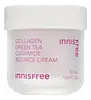
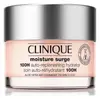
innisfree Collagen Green Tea Ceramide Bounce Cream Versus Clinique Moisture Surge 100H Auto-Replenishing Hydrator
This barrier-repair moisturizer is formulated around Niacinamide and Ceramide NP to strengthen the skin barrier and soften the look of wrinkles.
This barrier-repair moisturizer is formulated around Sodium Hyaluronate and Aloe Barbadensis Leaf Extract to strengthen the skin barrier and hydrate skin.


What's inside
What's inside
 Key Ingredients
Benefits
Concerns
Ingredients Side-by-side
Water
Skin ConditioningGlycerin
Humectant


Butylene Glycol
Humectant
Niacinamide
Smoothing









Squalane
Emollient
Dicaprylyl Carbonate
EmollientMethyl Trimethicone
Skin Conditioning
Sucrose Polystearate
EmollientPentaerythrityl Tetraethylhexanoate
Emollient
1,2-Hexanediol
Skin Conditioning
Glyceryl Stearate
Emollient

Hydroxyethyl Urea
Humectant
Polyglyceryl-3 Distearate
Emulsifying
Cetearyl Alcohol
Emollient




Poly C10-30 Alkyl Acrylate
Emulsion StabilisingHydrogenated Polyisobutene
EmollientPalmitic Acid
Emollient
Diphenyl Dimethicone
Emollient
Bis-Hydroxyethoxypropyl Dimethicone
Emollient
Stearic Acid
Cleansing
Hydroxyethyl Acrylate/Sodium Acryloyldimethyl Taurate Copolymer
Emulsion StabilisingXanthan Gum
EmulsifyingLithospermum Erythrorhizon Root Extract
Skin ConditioningHydrolyzed Extensin
Skin ConditioningSimmondsia Chinensis Seed Oil
Emollient
Acrylates/C10-30 Alkyl Acrylate Crosspolymer
Emulsion StabilisingSodium Metaphosphate
BufferingGlyceryl Caprylate
EmollientPolyglyceryl-10 Laurate
Skin Conditioning
Tromethamine
BufferingHelianthus Annuus Seed Oil
Emollient
Glyceryl Stearate Citrate
Emollient
Ethylhexylglycerin
Skin ConditioningAdenosine
Skin Conditioning
Caprylyl Glycol
Emollient
Sorbitan Isostearate
Emulsifying
Hydrogenated Lecithin
Emulsifying
Daucus Carota Sativa Root Extract
Skin Conditioning
Ceramide NP
Skin Conditioning
Tocopherol
Antioxidant

Beta-Carotene
Skin ConditioningAcetyl Tetrapeptide-2
Skin Conditioning
Soluble Collagen
Humectant
Water, Glycerin, Butylene Glycol, Niacinamide, Squalane, Dicaprylyl Carbonate, Methyl Trimethicone, Sucrose Polystearate, Pentaerythrityl Tetraethylhexanoate, 1,2-Hexanediol, Glyceryl Stearate, Hydroxyethyl Urea, Polyglyceryl-3 Distearate, Cetearyl Alcohol, Poly C10-30 Alkyl Acrylate, Hydrogenated Polyisobutene, Palmitic Acid, Diphenyl Dimethicone, Bis-Hydroxyethoxypropyl Dimethicone, Stearic Acid, Hydroxyethyl Acrylate/Sodium Acryloyldimethyl Taurate Copolymer, Xanthan Gum, Lithospermum Erythrorhizon Root Extract, Hydrolyzed Extensin, Simmondsia Chinensis Seed Oil, Acrylates/C10-30 Alkyl Acrylate Crosspolymer, Sodium Metaphosphate, Glyceryl Caprylate, Polyglyceryl-10 Laurate, Tromethamine, Helianthus Annuus Seed Oil, Glyceryl Stearate Citrate, Ethylhexylglycerin, Adenosine, Caprylyl Glycol, Sorbitan Isostearate, Hydrogenated Lecithin, Daucus Carota Sativa Root Extract, Ceramide NP, Tocopherol, Beta-Carotene, Acetyl Tetrapeptide-2, Soluble Collagen
Water
Skin ConditioningDimethicone
Emollient
Butylene Glycol
Humectant
Glycerin
Humectant
Trisiloxane
Skin Conditioning
Trehalose
Humectant
Saccharomyces Lysate Extract
Humectant
Sodium Hyaluronate
Humectant
Aloe Barbadensis Leaf Extract
Emollient
Aloe Barbadensis Leaf Water
MaskingSilybum Marianum Extract
Skin Conditioning
Camellia Sinensis Leaf Extract
Antimicrobial
Aloe Barbadensis Leaf Polysaccharides
Emollient
Sorbitol
Humectant
Sodium Polyaspartate
HumectantCaffeine
Skin Conditioning
Thermus Thermophillus Ferment
Skin ConditioningLactobacillus Ferment Lysate
Skin Conditioning
Palmitoyl Hexapeptide-12
Skin Conditioning
Caprylyl Glycol
Emollient
Sucrose
Humectant
Hydroxyethyl Urea
Humectant
Ammonium Acryloyldimethyltaurate/Vp Copolymer
Oleth-10
EmulsifyingAcrylates/C10-30 Alkyl Acrylate Crosspolymer
Emulsion StabilisingSaccharide Isomerate
Humectant
Hydrogenated Lecithin
Emulsifying
Tromethamine
BufferingGlyceryl Polymethacrylate
Disodium EDTA
ChelatingPEG-8
HumectantHexylene Glycol
EmulsifyingCitric Acid
Buffering
Sodium Citrate
BufferingTocopheryl Acetate
Antioxidant
BHT
Antioxidant
Magnesium Ascorbyl Phosphate
Antioxidant
Phenoxyethanol
Preservative
Sodium Benzoate
Masking
Potassium Sorbate
Preservative
CI 14700
Cosmetic ColorantCI 19140
Cosmetic ColorantWater, Dimethicone, Butylene Glycol, Glycerin, Trisiloxane, Trehalose, Saccharomyces Lysate Extract, Sodium Hyaluronate, Aloe Barbadensis Leaf Extract, Aloe Barbadensis Leaf Water, Silybum Marianum Extract, Camellia Sinensis Leaf Extract, Aloe Barbadensis Leaf Polysaccharides, Sorbitol, Sodium Polyaspartate, Caffeine, Thermus Thermophillus Ferment, Lactobacillus Ferment Lysate, Palmitoyl Hexapeptide-12, Caprylyl Glycol, Sucrose, Hydroxyethyl Urea, Ammonium Acryloyldimethyltaurate/Vp Copolymer, Oleth-10, Acrylates/C10-30 Alkyl Acrylate Crosspolymer, Saccharide Isomerate, Hydrogenated Lecithin, Tromethamine, Glyceryl Polymethacrylate, Disodium EDTA, PEG-8, Hexylene Glycol, Citric Acid, Sodium Citrate, Tocopheryl Acetate, BHT, Magnesium Ascorbyl Phosphate, Phenoxyethanol, Sodium Benzoate, Potassium Sorbate, CI 14700, CI 19140
Reviews
Ingredients Explained
These ingredients are found in both products.
Ingredients higher up in an ingredient list are typically present in a larger amount.
Acrylates/C10-30 Alkyl Acrylate Crosspolymer is a synthetic polymer. It is used to thicken, emulsify, and improve the texture of products.
As an emulsifier, it helps stabilize oil-in-water emulsions to give products an elegant feel when applied.
It can also form a thin protective film on skin. One study found that a formula using this polymer helped slow down how quickly other ingredients (like DEET) were absorbed through skin.
A 2024 study of over 1,300 patients confirmed that sensitization to this ingredient is rare. It is also non-mutagenic and has a clean track record.
Learn more about Acrylates/C10-30 Alkyl Acrylate CrosspolymerButylene Glycol (or BG) is used within cosmetic products for a few different reasons:
Overall, Butylene Glycol is a safe and well-rounded ingredient that works well with other ingredients.
Though this ingredient works well with most skin types, some people with sensitive skin may experience a reaction such as allergic rashes, closed comedones, or itchiness.
Learn more about Butylene GlycolCaprylyl Glycol is a humectant, skin conditioner, emollient, and preservative booster derived from either caprylic acid or synthetically created.
Typical use levels vary from 0.3-1% as a preservative booster and go up to 2% to condition skin.
Because it is not a free-fatty acid, this ingredient is fungal acne safe (there's nothing for Malassezia to feed on).
Learn more about Caprylyl GlycolGlycerin (or glycerol) is a compound naturally found in your skin. It's a powerhouse humectant that pulls water into the stratum corneum.
Topically, glycerin does several things at once:
Your skin makes glycerin on its own (mostly from sebaceous oil breakdown) and shuttles it to your outermost layer of skin, or your epidermis, via aquaporin-3.
Aquaporin-3 is a transporter that is essential for normal skin hydration, elasticity, and repair. Interestingly, mice lacking in AQP3 have dry and less elastic skin that can be fully corrected with glycerin.
This ingredient is non-irritating, plays well with almost every ingredient, and works across all skin types. Typical use is anywhere between 3-10% but can go up to 79% in some leave-on products.
Just know very high concentrations (>40%) can feel tacky in low humidity.
Glycerin is the name for this ingredient in American English. British English uses Glycerol/Glycerine.
Learn more about GlycerinHydrogenated Lecithin is a more stable version of lecithin.
It's made by taking lecithin (a phospholipid commonly found in soybeans and egg yolks) and hydrogenating it. This just means the unsaturated fatty acids are turned into saturated ones so they don't go bad as easily.
This ingredient is an emollient, emulsifier, and penetration enhancer. As an emollient, it helps soften and hydrate skin by trapping moisture within. As an emulsifier, it prevents oil and water ingredients from separating.
Hydrogenated Lecithin can form tiny spherical structures made of phospholipid bilayers called liposomes. These liposomes are able to capture compounds inside their structure and deliver them through the skin barrier.
Because phospholipids are a natural component of our cell membranes, this ingredient is inherently compatible with skin.
A 2021 study found lecithin-based surfactants were less harsh and more tolerable comared to Sodium Lauryl Sulfate (SLS).
Learn more about Hydrogenated LecithinTromethamine (aka THAM) is a synthetic amino acid that shows up in skincare as a helper ingredient.
It functions as a pH adjuster to help neutralize acidic ingredients and set a formula's pH to the right spot.
This matters a lot because a lot of actives (like vitamin C) needs a specific pH to work well and feel comfortable on skin.
Concentration use ranges from 0.1-1.0% depending on the formula.
Learn more about TromethamineWater. It's the most common cosmetic ingredient of all. You'll usually see it at the top of ingredient lists, meaning that it makes up the largest part of the product.
So why is it so popular? Water most often acts as a solvent - this means that it helps dissolve other ingredients into the formulation.
You'll also recognize water as that liquid we all need to stay alive. If you see this, drink a glass of water. Remember to stay hydrated!
Learn more about Water

