
What's inside
What's inside
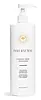 Key Ingredients
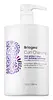
Benefits
Concerns
Ingredients Side-by-side
Water
Skin ConditioningCetearyl Alcohol
Emollient






Glycerin
Humectant


Behentrimonium Methosulfate
Surfactant
Aloe Barbadensis Leaf Juice
Skin Conditioning

Stearalkonium Chloride
Preservative
Diheptyl Succinate
EmollientCapryloyl Glycerin
Cocos Nucifera Oil
Masking

Cananga Odorata Flower Oil
Masking


Lavandula Angustifolia Oil
Masking
Citrus Aurantium Dulcis Peel Oil
Masking
Salvia Sclarea Oil
Masking
Vanillin
Masking
Pogostemon Cablin Leaf Oil
Masking
Glycine Soja Oil
Emollient
Sodium Benzoate
Masking
Oryza Sativa Extract
Absorbent
Theobroma Cacao Seed Butter
Emollient
Potassium Sorbate
Preservative
Guar Hydroxypropyltrimonium Chloride
Skin ConditioningCitric Acid
Buffering

Cetyl Hydroxyethylcellulose
Emulsion StabilisingLinum Usitatissimum Seed Oil
Perfuming
Calophyllum Inophyllum Seed Oil
Antimicrobial
Hydrolyzed Rice Protein
Skin ConditioningPlumeria Acutifolia Flower Extract
Skin ConditioningPersea Gratissima Oil
Skin Conditioning
Butyrospermum Parkii Butter
Skin Conditioning
Simmondsia Chinensis Seed Oil
Emollient
Hydrolyzed Quinoa
Skin ConditioningBenzyl Alcohol
Perfuming

Taraxacum Officinale Leaf Extract
Skin ConditioningSalvia Officinalis Leaf Extract
CleansingMelissa Officinalis Leaf Extract
Skin ConditioningLinalool
Perfuming
Limonene
Perfuming
Water, Cetearyl Alcohol, Glycerin, Behentrimonium Methosulfate, Aloe Barbadensis Leaf Juice, Stearalkonium Chloride, Diheptyl Succinate, Capryloyl Glycerin, Cocos Nucifera Oil, Cananga Odorata Flower Oil, Lavandula Angustifolia Oil, Citrus Aurantium Dulcis Peel Oil, Salvia Sclarea Oil, Vanillin, Pogostemon Cablin Leaf Oil, Glycine Soja Oil, Sodium Benzoate, Oryza Sativa Extract, Theobroma Cacao Seed Butter, Potassium Sorbate, Guar Hydroxypropyltrimonium Chloride, Citric Acid, Cetyl Hydroxyethylcellulose, Linum Usitatissimum Seed Oil, Calophyllum Inophyllum Seed Oil, Hydrolyzed Rice Protein, Plumeria Acutifolia Flower Extract, Persea Gratissima Oil, Butyrospermum Parkii Butter, Simmondsia Chinensis Seed Oil, Hydrolyzed Quinoa, Benzyl Alcohol, Taraxacum Officinale Leaf Extract, Salvia Officinalis Leaf Extract, Melissa Officinalis Leaf Extract, Linalool, Limonene
Water
Skin ConditioningCetyl Alcohol
Emollient
Stearyl Alcohol
Emollient
Brassica Alcohol
Emollient
Glycerin
Humectant
Cetyl Esters
Emollient
Parfum
Masking
Behentrimonium Methosulfate
Surfactant
Caprylic/Capric Triglyceride
Masking
Isopropyl Palmitate
Emollient
Oryza Sativa Extract
Absorbent
Butyrospermum Parkii Butter
Skin Conditioning
Keratin Amino Acids
Skin ConditioningHelianthus Annuus Seed Oil
Emollient
Prunus Amygdalus Dulcis Oil
Skin Conditioning
Lactobacillus/Tomato Fruit Ferment Extract
Skin ConditioningAcanthus Mollis Leaf Extract
Skin ConditioningBambusa Vulgaris Extract
Skin Conditioning
Citrus Aurantium Dulcis Fruit Extract
MaskingCitrus Aurantium Dulcis Peel Oil
Masking
Citrus Paradisi Peel Oil
Masking
Rosa Canina Fruit Oil
Emollient
Tocopheryl Acetate
Antioxidant
Panthenol
Skin Conditioning
Aloe Barbadensis Leaf Juice
Skin Conditioning
Saccharina Longicruris Extract
HumectantAcyl Coenzyme A Desaturase
Skin ConditioningOcimum Basilicum Leaf Extract
Skin ConditioningCetrimonium Chloride
Antimicrobial
Isododecane
EmollientGuar Hydroxypropyltrimonium Chloride
Skin ConditioningLeuconostoc/Radish Root Ferment Filtrate
Antimicrobial
Butylene Glycol
Humectant
Citric Acid
Buffering
Brassicyl Isoleucinate Esylate
Emulsion StabilisingDehydroacetic Acid
Preservative
Benzyl Alcohol
Perfuming
Water, Cetyl Alcohol, Stearyl Alcohol, Brassica Alcohol, Glycerin, Cetyl Esters, Parfum, Behentrimonium Methosulfate, Caprylic/Capric Triglyceride, Isopropyl Palmitate, Oryza Sativa Extract, Butyrospermum Parkii Butter, Keratin Amino Acids, Helianthus Annuus Seed Oil, Prunus Amygdalus Dulcis Oil, Lactobacillus/Tomato Fruit Ferment Extract, Acanthus Mollis Leaf Extract, Bambusa Vulgaris Extract, Citrus Aurantium Dulcis Fruit Extract, Citrus Aurantium Dulcis Peel Oil, Citrus Paradisi Peel Oil, Rosa Canina Fruit Oil, Tocopheryl Acetate, Panthenol, Aloe Barbadensis Leaf Juice, Saccharina Longicruris Extract, Acyl Coenzyme A Desaturase, Ocimum Basilicum Leaf Extract, Cetrimonium Chloride, Isododecane, Guar Hydroxypropyltrimonium Chloride, Leuconostoc/Radish Root Ferment Filtrate, Butylene Glycol, Citric Acid, Brassicyl Isoleucinate Esylate, Dehydroacetic Acid, Benzyl Alcohol
Reviews
Ingredients Explained
These ingredients are found in both products.
Ingredients higher up in an ingredient list are typically present in a larger amount.
Aloe Barbadensis Leaf Juice is the filtered, stabilized liquid pressed from the inner gel of the aloe vera leaf.
In cosmetics, it shows up as either soothing active or a water-replacement base. It is roughly 98-99% water and the last 1-2% is an interesting mix of polysaccharides, amino acids, vitamins, minerals, and enzymes.
The polysaccharides do most of the work: they bind water at the skin surface for a light, non-greasy hydration boost. And one of the polysaccharides, glycomannan, is linked to fibroblast stimulation + collagen synthesis. This is also why aloe has such a long track record in wound and burn healing.
This ingredient is also calming with anti-inflammatory and mild antimicrobial activity, making it a great pick for sensitive, irritated, or post-sun skin.
Realistic expectations matter though; the solid evidence is mostly limited to hydration, soothing, and wound support. Deeper claims about anti-aging or sun protection are not well backed, and science reviews note it does not prevent radiation-induced skin injury.
Because it plays well with almost everything, it's commonly used as a base alongside other actives like niacinamide or vitamin C.
Typical usage concentrations range from 0.5% (where hydration benefits already show up) all the way to 90%+ (where it replaces water as the main base).
The safety for this ingredient is well-establish as well. Overall, this is a great supporting ingredient for those who want a boost in hydration.
Learn more about Aloe Barbadensis Leaf JuiceBehentrimonium Methosulfate is an ammonium salt. It is mainly used to prevent static in haircare products as a surfactant.
Surfactants have differing ends: one side is hydrophilic while the other end is hydrophobic.
Surfactants also help your cleansers remove pollutants more easily from the skin.
Learn more about Behentrimonium MethosulfateBenzyl Alcohol is an aromatic alcohol with several roles: it's a preservative, solvent, and mild fragrance component with a floral scent.
This ingredient has been deemed safe for use in cosmetic formulations at concentrations up to 5%, and up to 10% in hair dyes. You'll typically see 0.5-2% in most rinse-off or leave-on products.
As a preservative, it works by disrupting the membrane of microbial proteins. This helps keep bacteria and fungi from growing in your products.
The sensitization picture is actually quite assuring as well:of nearly 71,000 patients patch tested with benzyl alcohol, only 0.21% showed a positive reaction with most of them being weakly positive.
This led researchers to conclude that benzyl alcohol cannot be regarded as a significant contact allergen.
It is worth noting this ingredient is classified as one of the EU's regulated fragrance allergens and restricted to 1% in finished products.
Labels must also declare it in concentrations above 0.001% in leave-on products and 0.01% in rinse-off products.
At concentrations around 5%, localized redness and itching can appear as a direct irritant response and not as a true allergic reaction.
Learn more about Benzyl AlcoholThis ingredient is also known as shea butter. It is a plant-derived extract from the nuts of the Africa shea tree and one of the most well-studied emollients.
Because it has a high concentration of fatty acids (primarily oleic, stearic, and linoleic) it is able to form a protective barrier on the skin's surface. This helps seal in moisture and prevents transepidermal water loss (TEWL).
In vitro research found an increase in skin hydration by 58% and a decrease in TEWL by 37.8% after 24 hours of applying this ingredient (pretty impressive for a single ingredient!).
Besides hydration, shea butter also contains triterpenes that have anti-inflammatory potential. In particule, lupeol cinnamate has shown the highest anti-inflammatory activity in vivo.
Shea butter also contains vitamins A and E which may contribute to antioxidant activity.
While Shea Butter has an SPF rating of about 3-4, it is not a sunscreen replacement.
This ingredient may not be fungal acne safe because its fatty acids fall within the C11-C24 range that the Malassezia yeast can metabolize.
Learn more about Butyrospermum Parkii ButterCitric Acid is an alpha hydroxy acid (AHA) naturally found in citrus fruits like oranges, lemons, and limes.
Like other AHAs, citric acid can exfoliate skin by breaking down the bonds that hold dead skin cells together. This helps reveal smoother and brighter skin underneath.
However, this exfoliating effect only happens at high concentrations (20%) which can be hard to find in cosmetic products.
Due to this, citric acid is usually included in small amounts as a pH adjuster. This helps keep products slightly more acidic and compatible with skin's natural pH.
In skincare formulas, citric acid can:
While it can provide some skin benefits, research shows lactic acid and glycolic acid are generally more effective and less irritating exfoliants.
Most citric acid used in skincare today is made by fermenting sugars (usually from molasses). This synthetic version is identical to the natural citrus form but easier to stabilize and use in formulations.
Read more about some other popular AHA's here:
Learn more about Citric AcidCitrus Aurantium Dulcis Peel Oil is oil from the peel of an orange fruit.
Limonene and linalool make up the majority of oils from citrus peels. Limonene has a "citrus" fragrance. Citrus peels also contain flavonoids, which have anti-inflammatory properties.
Citrus peel is also a rich source of flavonoids. Flavonoids are natural antioxidants and help protect your skin against damage. Flavonoids are a group of compounds naturally found in vegetables and fruits.
The term 'fragrance' is not regulated in many countries. In many cases, it is up to the brand to define this term. For instance, many brands choose to label themselves as "fragrance-free" because they are not using synthetic fragrances. However, their products may still contain ingredients such as essential oils that are considered a fragrance.
Learn more about Citrus Aurantium Dulcis Peel OilGlycerin (or glycerol) is a compound naturally found in your skin. It's a powerhouse humectant that pulls water into the stratum corneum.
Topically, glycerin does several things at once:
Your skin makes glycerin on its own (mostly from sebaceous oil breakdown) and shuttles it to your outermost layer of skin, or your epidermis, via aquaporin-3.
Aquaporin-3 is a transporter that is essential for normal skin hydration, elasticity, and repair. Interestingly, mice lacking in AQP3 have dry and less elastic skin that can be fully corrected with glycerin.
This ingredient is non-irritating, plays well with almost every ingredient, and works across all skin types. Typical use is anywhere between 3-10% but can go up to 79% in some leave-on products.
Just know very high concentrations (>40%) can feel tacky in low humidity.
Glycerin is the name for this ingredient in American English. British English uses Glycerol/Glycerine.
Learn more about GlycerinThis ingredient is derived from guar gum. It is a skin conditioning agent that creates a thin, breathable film to reduce water loss during cleansing.
This leaves the skin feeling soft rather than stripped and also contributes to a creamier lather.
Due to the large molecule size, this ingredient is unlikely to penetrate skin.
Learn more about Guar Hydroxypropyltrimonium ChlorideOryza Sativa Extract comes from the rice grain, Oryza sativa. Rice extract has wound healing, antioxidant, anti-inflammatory, and hydrating properties.
Rice grains contain numerous antioxidants which may help with anti-aging, such as vitamin E. Antioxidants help stabilize free-radical molecules. Unstable free-radical molecules may damage your skin cells and accelerate signs of aging.
A study from 2002 found rice to help increase the rate of wound healing. The same study found an improvement of skin barrier function in the patients after taking rice baths.
Numerous in-vitro studies have found rice water to help decrease sun damage by increasing collagen production and inhibiting the process of tyrosinase.
Long story short- tyrosinase is an enzyme that controls melanin production. Our bodies start producing melanin (AKA tanning) when exposed to UV radiation to protect against damage. Rice water is found to partially block this process.
Though more research is needed on rice's ability to help with UV protection, recent studies seem promising.
Wondering why rice is hydrating? The protein in rice have emollient properties. Emollients create a barrier on the skin to trap moisture in, keeping your skin moisturized.
Some rice extract may have mildly-exfoliating properties. These are mainly limited to Oryza Sativa (Rice) Bran and Oryza Sativa (Rice) Germ Powder.
This rice was first cultivated in China over 10,000 years ago. Many cultures throughout Asia have used rice water on skin and hair for centuries.
Learn more about Oryza Sativa ExtractWater. It's the most common cosmetic ingredient of all. You'll usually see it at the top of ingredient lists, meaning that it makes up the largest part of the product.
So why is it so popular? Water most often acts as a solvent - this means that it helps dissolve other ingredients into the formulation.
You'll also recognize water as that liquid we all need to stay alive. If you see this, drink a glass of water. Remember to stay hydrated!
Learn more about Water

