iNNBEAUTY PROJECT Green Machine Skin Transforming Oil Jelly Serum Versus KYPRIS Antioxidant Dew Quench & Glow Facial Serum
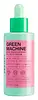
This brightening serum is formulated around Tranexamic Acid and Niacinamide to fade the look of dark spots and calm redness.
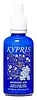
This brightening serum is formulated around Ferulic Acid and Superoxide Dismutase to brighten dull-looking skin.

What's inside
What's inside
 Key Ingredients
Benefits
Concerns
Ingredients Side-by-side
Aloe Barbadensis Leaf Juice
Skin Conditioning


Glycerin
Humectant

Water
Skin ConditioningHelianthus Annuus Seed Oil
Emollient


Tranexamic Acid
Astringent


Isosorbide Dicaprylate
Skin ConditioningNiacinamide
Smoothing





Cannabis Sativa Seed Oil
Emollient
Chenopodium Quinoa Seed Oil
Emollient
Tetrahexyldecyl Ascorbate
Antioxidant

Xanthan Gum
EmulsifyingKojic Acid
Antioxidant
Lactic Acid
Buffering


Alpha-Arbutin
Antioxidant
Arthrospira Platensis Extract
Antioxidant
Persea Gratissima Oil
Skin Conditioning
Crithmum Maritimum Callus Culture Filtrate
Skin ProtectingPunica Granatum Seed Extract
Skin ConditioningCollagen Amino Acids
Moisturising
Potassium Azeloyl Diglycinate
Skin Conditioning
Brassica Oleracea Acephala Leaf Extract
HumectantSpinacia Oleracea Leaf Extract
Skin ConditioningMoringa Oleifera Seed Oil
Emollient
Sodium Hyaluronate
Humectant
Melia Azadirachta Leaf Extract
Skin ConditioningMelia Azadirachta Flower Extract
Skin ConditioningOcimum Sanctum Leaf Extract
Skin ConditioningCucumis Sativus Fruit Extract
Emollient
Origanum Vulgare Oil
Masking
Thymus Vulgaris Oil
Masking

Curcuma Longa Leaf Extract
Skin ConditioningPinus Pinaster Bark Extract
Antioxidant
Boerhavia Diffusa Root Extract
Skin Protecting
Solanum Melongena Fruit Extract
Skin ConditioningCorallina Officinalis Extract
Skin Conditioning
Chondrus Crispus Extract
Skin Conditioning
Coccinia Indica Fruit Extract
Skin Conditioning
Citric Acid
Buffering
Caprylyl Glycol
Emollient
Butylene Glycol
Humectant
Maltodextrin
Absorbent
Leuconostoc/Radish Root Ferment Filtrate
Antimicrobial
1,2-Hexanediol
Skin Conditioning
Potassium Sorbate
Preservative
Sodium Benzoate
Masking
Amber Powder
Hydroxyacetophenone
Antioxidant
Aloe Barbadensis Leaf Juice, Glycerin, Water, Helianthus Annuus Seed Oil, Tranexamic Acid, Isosorbide Dicaprylate, Niacinamide, Cannabis Sativa Seed Oil, Chenopodium Quinoa Seed Oil, Tetrahexyldecyl Ascorbate, Xanthan Gum, Kojic Acid, Lactic Acid, Alpha-Arbutin, Arthrospira Platensis Extract, Persea Gratissima Oil, Crithmum Maritimum Callus Culture Filtrate, Punica Granatum Seed Extract, Collagen Amino Acids, Potassium Azeloyl Diglycinate, Brassica Oleracea Acephala Leaf Extract, Spinacia Oleracea Leaf Extract, Moringa Oleifera Seed Oil, Sodium Hyaluronate, Melia Azadirachta Leaf Extract, Melia Azadirachta Flower Extract, Ocimum Sanctum Leaf Extract, Cucumis Sativus Fruit Extract, Origanum Vulgare Oil, Thymus Vulgaris Oil, Curcuma Longa Leaf Extract, Pinus Pinaster Bark Extract, Boerhavia Diffusa Root Extract, Solanum Melongena Fruit Extract, Corallina Officinalis Extract, Chondrus Crispus Extract, Coccinia Indica Fruit Extract, Citric Acid, Caprylyl Glycol, Butylene Glycol, Maltodextrin, Leuconostoc/Radish Root Ferment Filtrate, 1,2-Hexanediol, Potassium Sorbate, Sodium Benzoate, Amber Powder, Hydroxyacetophenone
Water
Skin ConditioningGlycerin
Humectant
Helianthus Annuus Seed Oil
Emollient
Camellia Oleifera Seed Oil
Skin Conditioning
Leuconostoc/Radish Root Ferment Filtrate
Antimicrobial
Xylitylglucoside
Humectant
Betaine
Humectant
Dipalmitoyl Hydroxyproline
Skin Conditioning
Panthenol
Skin Conditioning
Ahnfeltia Concinna Extract
Skin ConditioningAloe Barbadensis Leaf Juice
Skin Conditioning
Anhydroxylitol
Humectant
Calophyllum Inophyllum Seed Oil
Antimicrobial
Symphytum Officinale Leaf Extract
Skin ConditioningTocopherol
Antioxidant
Urtica Dioica Extract
AstringentWaltheria Indica Leaf Extract
Skin ConditioningCitric Acid
Buffering
Dextrin
AbsorbentFerulic Acid
Antimicrobial
Lecithin
Emollient
Mannitol
Humectant
Phospholipids
Skin Conditioning
Prunus Cerasus Flower Extract
Skin ConditioningRosa Centifolia Flower Extract
Astringent
Rosa Damascena Flower Extract
Masking
Rosmarinus Officinalis Leaf Extract
AntimicrobialSuperoxide Dismutase
Antioxidant
Ascorbyl Palmitate
Antioxidant
Sodium Citrate
BufferingSodium Gluconate
ChelatingSodium Hyaluronate
Humectant
Sodium Levulinate
Skin ConditioningXanthan Gum
EmulsifyingXylitol
Humectant
Sodium Anisate
AntimicrobialWater, Glycerin, Helianthus Annuus Seed Oil, Camellia Oleifera Seed Oil, Leuconostoc/Radish Root Ferment Filtrate, Xylitylglucoside, Betaine, Dipalmitoyl Hydroxyproline, Panthenol, Ahnfeltia Concinna Extract, Aloe Barbadensis Leaf Juice, Anhydroxylitol, Calophyllum Inophyllum Seed Oil, Symphytum Officinale Leaf Extract, Tocopherol, Urtica Dioica Extract, Waltheria Indica Leaf Extract, Citric Acid, Dextrin, Ferulic Acid, Lecithin, Mannitol, Phospholipids, Prunus Cerasus Flower Extract, Rosa Centifolia Flower Extract, Rosa Damascena Flower Extract, Rosmarinus Officinalis Leaf Extract, Superoxide Dismutase, Ascorbyl Palmitate, Sodium Citrate, Sodium Gluconate, Sodium Hyaluronate, Sodium Levulinate, Xanthan Gum, Xylitol, Sodium Anisate
Reviews
Ingredients Explained
These ingredients are found in both products.
Ingredients higher up in an ingredient list are typically present in a larger amount.
Aloe Barbadensis Leaf Juice is the filtered, stabilized liquid pressed from the inner gel of the aloe vera leaf.
In cosmetics, it shows up as either soothing active or a water-replacement base. It is roughly 98-99% water and the last 1-2% is an interesting mix of polysaccharides, amino acids, vitamins, minerals, and enzymes.
The polysaccharides do most of the work: they bind water at the skin surface for a light, non-greasy hydration boost. And one of the polysaccharides, glycomannan, is linked to fibroblast stimulation + collagen synthesis. This is also why aloe has such a long track record in wound and burn healing.
This ingredient is also calming with anti-inflammatory and mild antimicrobial activity, making it a great pick for sensitive, irritated, or post-sun skin.
Realistic expectations matter though; the solid evidence is mostly limited to hydration, soothing, and wound support. Deeper claims about anti-aging or sun protection are not well backed, and science reviews note it does not prevent radiation-induced skin injury.
Because it plays well with almost everything, it's commonly used as a base alongside other actives like niacinamide or vitamin C.
Typical usage concentrations range from 0.5% (where hydration benefits already show up) all the way to 90%+ (where it replaces water as the main base).
The safety for this ingredient is well-establish as well. Overall, this is a great supporting ingredient for those who want a boost in hydration.
Learn more about Aloe Barbadensis Leaf JuiceCitric Acid is an alpha hydroxy acid (AHA) naturally found in citrus fruits like oranges, lemons, and limes.
Like other AHAs, citric acid can exfoliate skin by breaking down the bonds that hold dead skin cells together. This helps reveal smoother and brighter skin underneath.
However, this exfoliating effect only happens at high concentrations (20%) which can be hard to find in cosmetic products.
Due to this, citric acid is usually included in small amounts as a pH adjuster. This helps keep products slightly more acidic and compatible with skin's natural pH.
In skincare formulas, citric acid can:
While it can provide some skin benefits, research shows lactic acid and glycolic acid are generally more effective and less irritating exfoliants.
Most citric acid used in skincare today is made by fermenting sugars (usually from molasses). This synthetic version is identical to the natural citrus form but easier to stabilize and use in formulations.
Rosacea skin has a lower threshold for acids generally, with 62.5% of rosacea subjects in one study reacting to lactic acid in a sting test. This is why we mark citric acid as a potential rosacea trigger.
However, this ingredient shows up as a pH adjuster or chelator at roughly 0.1-1% in many products. These low levels are unlikely to be an issue for rosacea skin and becomes a potential trigger at exfoliating concentrations (20%). Because everybody's skin is unique, we recommend a patch test if you are unsure.
Learn more about Citric AcidGlycerin (or glycerol) is a compound naturally found in your skin. It's a powerhouse humectant that pulls water into the stratum corneum.
Topically, glycerin does several things at once:
Your skin makes glycerin on its own (mostly from sebaceous oil breakdown) and shuttles it to your outermost layer of skin, or your epidermis, via aquaporin-3.
Aquaporin-3 is a transporter that is essential for normal skin hydration, elasticity, and repair. Interestingly, mice lacking in AQP3 have dry and less elastic skin that can be fully corrected with glycerin.
This ingredient is non-irritating, plays well with almost every ingredient, and works across all skin types. Typical use is anywhere between 3-10% but can go up to 79% in some leave-on products.
Just know very high concentrations (>40%) can feel tacky in low humidity.
Glycerin is the name for this ingredient in American English. British English uses Glycerol/Glycerine.
Learn more about GlycerinHelianthus Annuus Seed Oil is a plant oil derived from the seeds of a sunflower.
It is rich in fatty acids, primarily linoleic acid and oleic acid. This gives it emollient and skin conditioning properties.
The reason this ingredient is so effective is because it forms a thin film on the skin that reduces transepidermal water loss (TEWL) while supplying linoleic acid to the stratum corneum to improve barrier strength.
The high linoleic acid content is particularly noteworthy for acne-prone skin.
Research suggests that acne-prone skin tends to be deficient in linoleic acid in sebum. Topical application may help replenish this to support a healthier follicular environment and less comedone-promoting sebum.
One randomized study found sunflower seed oil preserved skin barrier integrity in adult volunteers with and without atopic dermatitis (outperforming olive oil).
This ingredient is well-studied, gentle, and an effective emollient suitable for most skin types.
On fungal acne: This ingredient may not be Fungal acne (Malassezia folliculitis) safe. This is because it contains fatty acids with carbon chain lengths in the C11-C24 range.
Learn more about Helianthus Annuus Seed OilLeuconostoc/Radish Root Ferment Filtrate is a natural preservative. It comes from fermenting radish roots with a bacteria called leuconostoc. The trade name for this ingredient is Leucidal.
Leuconostoc comes from lactic acid.
This ingredient has antimicrobial properties and helps prevent the growth of bacteria in a product.
Leuconostoc is used to make the traditional Korean side-dish, kimchi. It is also used to make sourdough bread (both incredibly yummy foods).
Learn more about Leuconostoc/Radish Root Ferment FiltrateSodium Hyaluronate is the salt form of hyaluronic acid. It is a long sugar chain that is naturally found in your skin, joints, and connective tissue that maintains hydration and elasticity.
In skincare, it works as a humectant. It pulls water from the environment and deeper layers of skin and binds it to the surface.
Interestingly, the size of the molecule affects its behavior:
Some clinical evidence links low molecular weight versions to improved wrinkle depth, elasticity, anti-inflammatory effects, and barrier repair.
Many serums use a blend of both weights so you can get surface hydration plus longer-lasting and deeper effects.
You'll typically see concentrations between 0.1-2% for this ingredient.
Learn more about Sodium HyaluronateWater. It's the most common cosmetic ingredient of all. You'll usually see it at the top of ingredient lists, meaning that it makes up the largest part of the product.
So why is it so popular? Water most often acts as a solvent - this means that it helps dissolve other ingredients into the formulation.
You'll also recognize water as that liquid we all need to stay alive. If you see this, drink a glass of water. Remember to stay hydrated!
Learn more about WaterXanthan gum is used as a stabilizer and thickener within cosmetic products. It helps give products a sticky, thick feeling - preventing them from being too runny.
On the technical side of things, xanthan gum is a polysaccharide - a combination consisting of multiple sugar molecules bonded together.
Xanthan gum is a pretty common and great ingredient. It is a natural, non-toxic, non-irritating ingredient that is also commonly used in food products.
Learn more about Xanthan Gum

