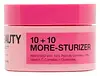
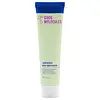
iNNBEAUTY PROJECT 10 + 10 Moisturizer with 10% Vitamin C + 10% Peptide Complex + Ceramides Versus Good Molecules Lightweight Daily Moisturizer
This anti-aging moisturizer is formulated around 3-O-Ethyl Ascorbic Acid and Palmitoyl Tetrapeptide-7 to soften the look of wrinkles and brighten dull-looking skin.
This barrier-repair moisturizer is formulated around Butyrospermum Parkii Butter and Sodium Hyaluronate to strengthen the skin barrier and hydrate skin.

What's inside
What's inside
 Key Ingredients
Benefits
Concerns
Ingredients Side-by-side
Water
Skin ConditioningGlycerin
Humectant


Dimethicone
Emollient
Butyrospermum Parkii Butter
Skin Conditioning




Caprylic/Capric/Myristic/Stearic Triglyceride
EmollientC12-15 Alkyl Benzoate
Antimicrobial3-O-Ethyl Ascorbic Acid
Skin Conditioning




Tapioca Starch
Cetearyl Alcohol
Emollient

Arachidyl Alcohol
Emollient
Squalane
Emollient
Coco-Caprylate/Caprate
Emollient
Pentaerythrityl Tetraisostearate
Emollient
Tridecyl Trimellitate
EmollientPalmitoyl Tetrapeptide-7
Skin Conditioning
Palmitoyl Tripeptide-1
Skin Conditioning
Tetrahexyldecyl Ascorbate
Antioxidant
Ceramide NP
Skin Conditioning

Caprylyl Glycol
Emollient
Caprylyl/Capryl Glucoside
CleansingLinoleic Acid
Cleansing
Citric Acid
Buffering
Phytosterols
Skin Conditioning
Glucose
Humectant
Sodium Acrylate/Sodium Acryloyldimethyl Taurate Copolymer
Emulsion StabilisingBehenyl Alcohol
Emollient
Polyisobutene
Bis-Diglyceryl Polyacyladipate-2
Emollient
Hydroxyacetophenone
Antioxidant
1,2-Hexanediol
Skin Conditioning
Cetearyl Glucoside
Emulsifying
Arachidyl Glucoside
EmulsifyingCarrageenan
Sorbitan Laurate
Emulsifying
Sodium Phytate
ChelatingC18-36 Acid Glycol Ester
EmollientC18-36 Acid Triglyceride
EmollientWater, Glycerin, Dimethicone, Butyrospermum Parkii Butter, Caprylic/Capric/Myristic/Stearic Triglyceride, C12-15 Alkyl Benzoate, 3-O-Ethyl Ascorbic Acid, Tapioca Starch, Cetearyl Alcohol, Arachidyl Alcohol, Squalane, Coco-Caprylate/Caprate, Pentaerythrityl Tetraisostearate, Tridecyl Trimellitate, Palmitoyl Tetrapeptide-7, Palmitoyl Tripeptide-1, Tetrahexyldecyl Ascorbate, Ceramide NP, Caprylyl Glycol, Caprylyl/Capryl Glucoside, Linoleic Acid, Citric Acid, Phytosterols, Glucose, Sodium Acrylate/Sodium Acryloyldimethyl Taurate Copolymer, Behenyl Alcohol, Polyisobutene, Bis-Diglyceryl Polyacyladipate-2, Hydroxyacetophenone, 1,2-Hexanediol, Cetearyl Glucoside, Arachidyl Glucoside, Carrageenan, Sorbitan Laurate, Sodium Phytate, C18-36 Acid Glycol Ester, C18-36 Acid Triglyceride
Water
Skin ConditioningPropanediol
Solvent
Butyrospermum Parkii Butter
Skin Conditioning
Neopentyl Glycol Diheptanoate
EmollientCetearyl Alcohol
Emollient
1,2-Hexanediol
Skin Conditioning
Persea Gratissima Oil
Skin Conditioning
Cetearyl Olivate
Sorbitan Olivate
Emulsifying
Glyceryl Stearate
Emollient
Cetyl Ethylhexanoate
EmollientCarbomer
Emulsion StabilisingTromethamine
BufferingSodium Hyaluronate
Humectant
Tocopheryl Acetate
Antioxidant
Ethylhexylglycerin
Skin ConditioningTrisodium Ethylenediamine Disuccinate
ChelatingCamellia Sinensis Leaf Water
Masking
Water, Propanediol, Butyrospermum Parkii Butter, Neopentyl Glycol Diheptanoate, Cetearyl Alcohol, 1,2-Hexanediol, Persea Gratissima Oil, Cetearyl Olivate, Sorbitan Olivate, Glyceryl Stearate, Cetyl Ethylhexanoate, Carbomer, Tromethamine, Sodium Hyaluronate, Tocopheryl Acetate, Ethylhexylglycerin, Trisodium Ethylenediamine Disuccinate, Camellia Sinensis Leaf Water
Reviews
Ingredients Explained
These ingredients are found in both products.
Ingredients higher up in an ingredient list are typically present in a larger amount.
1,2-Hexanediol is a synthetic liquid and another multi-functional powerhouse.
It is a:
- Humectant, drawing moisture into the skin
- Emollient, helping to soften skin
- Solvent, dispersing and stabilizing formulas
- Preservative booster, enhancing the antimicrobial activity of other preservatives
This ingredient is also known as shea butter. It is a plant-derived extract from the nuts of the Africa shea tree and one of the most well-studied emollients.
Because it has a high concentration of fatty acids (primarily oleic, stearic, and linoleic) it is able to form a protective barrier on the skin's surface. This helps seal in moisture and prevents transepidermal water loss (TEWL).
In vitro research found an increase in skin hydration by 58% and a decrease in TEWL by 37.8% after 24 hours of applying this ingredient (pretty impressive for a single ingredient!).
Besides hydration, shea butter also contains triterpenes that have anti-inflammatory potential. In particule, lupeol cinnamate has shown the highest anti-inflammatory activity in vivo.
Shea butter also contains vitamins A and E which may contribute to antioxidant activity.
While Shea Butter has an SPF rating of about 3-4, it is not a sunscreen replacement.
This ingredient may not be fungal acne safe because its fatty acids fall within the C11-C24 range that the Malassezia yeast can metabolize.
This ingredient shows up on a lot of "pore-clogging" lists but there's no real evidence behind that. It doesn't even have a comedogenic rating from an actual study; the numbers you'll find online come from blogs citing other blogs.
Ratings for other ingredients mostly come from a 1980s rabbit ear test. This test doesn't translate well to human skin or to real products because the ingredient sits at a much lower percentage.
Some people still find it breaks them out. So if that's you, definitely trust your skin. Just know this one's based on experience and not evidence.
Learn more about Butyrospermum Parkii ButterCetearyl alcohol is a waxy mixture of two fatty alcohols: cetyl alcohol and stearyl alcohol. It is an emollient and emulsifier.
Despite having "alcohol" in its name, it has nothing to do with drying solvent alcohols; the FDA also allows "alcohol-free" products to contain fatty alcohols like this ingredient.
It plays several roles in a formula:
Typical use levels for this ingredient sit around 1-10% and the Cosmetic Ingredient Review Expert Panel has affirmed safety at concentrations up to 25% in leave-on products.
Multiple assessments have found it to be non-irritating and non-sensitizing to most people.
However, there have been some cases of allergic contact dermatitis in patients with chronically compromised skin barriers.
Cetearyl alcohol has a comedogenic rating of 2 and irritancy rating of 1. Both of these numbers come from the 1989 study that used rabbit ears; a "2" means mildly comedogenic and a "1" means low irritancy.
Here's the catch: rabbit skin is more sensitive than human skin and throws a lot of false positives. A 1996 reappraisal found that ingredients rated 1-2 in the rabbit ear tests are generally safe for humans.
Remember comedogenic ratings are unable to assess the entire formula of a product or how it will react on your skin. Just be sure to patch test if you are unsure about certain ingredients.
This ingredient is not fungal acne safe. Cetearyl alcohol is a fatty alcohol with chain lengths that fall within the range that Malassezia can metabolize.
A 2019 study has also observed Malassezia growth in the presence of this ingredient, confirming it to be not-fungal acne safe.
Learn more about Cetearyl AlcoholWater. It's the most common cosmetic ingredient of all. You'll usually see it at the top of ingredient lists, meaning that it makes up the largest part of the product.
So why is it so popular? Water most often acts as a solvent - this means that it helps dissolve other ingredients into the formulation.
You'll also recognize water as that liquid we all need to stay alive. If you see this, drink a glass of water. Remember to stay hydrated!
Learn more about Water

