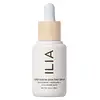
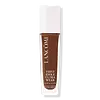
Ilia Super Serum Skin Tint SPF 40 Versus Lancôme Teint Idole Ultra Wear Care and Glow Serum Foundation


What's inside
What's inside
 Key Ingredients
Benefits
Concerns
Ingredients Side-by-side
Zinc Oxide 12%
Cosmetic Colorant


Water
Skin ConditioningSqualane
Emollient

Shea Butter Ethyl Esters
Emollient
Isoamyl Laurate
Emollient
Polyglyceryl-3 Ricinoleate
Emulsifying
Butyloctyl Salicylate
Skin Conditioning
Propanediol
Solvent
Isopropyl Isostearate
Emollient

Polyglyceryl-3 Diisostearate
Emulsifying
Methylpropanediol
SolventNiacinamide
Smoothing








Sodium Chloride
Masking

Lecithin
Emollient
Caprylyl Glycol
Emollient
Silica
Abrasive

Aloe Barbadensis Leaf Juice Powder
Skin Conditioning
Bisabolol
Masking
Hydrolyzed Sodium Hyaluronate
Skin Conditioning
Allantoin
Skin Conditioning
Phenylpropanol
Masking
Sodium Myristoyl Glutamate
CleansingSodium Hyaluronate
Humectant
Tetrasodium Glutamate Diacetate
Aluminum Hydroxide
EmollientPolyhydroxystearic Acid
Emulsifying
CI 77491
Cosmetic ColorantCI 77492
Cosmetic ColorantCI 77499
Cosmetic ColorantCI 77891
Cosmetic ColorantZinc Oxide 12%, Water, Squalane, Shea Butter Ethyl Esters, Isoamyl Laurate, Polyglyceryl-3 Ricinoleate, Butyloctyl Salicylate, Propanediol, Isopropyl Isostearate, Polyglyceryl-3 Diisostearate, Methylpropanediol, Niacinamide, Sodium Chloride, Lecithin, Caprylyl Glycol, Silica, Aloe Barbadensis Leaf Juice Powder, Bisabolol, Hydrolyzed Sodium Hyaluronate, Allantoin, Phenylpropanol, Sodium Myristoyl Glutamate, Sodium Hyaluronate, Tetrasodium Glutamate Diacetate, Aluminum Hydroxide, Polyhydroxystearic Acid, CI 77491, CI 77492, CI 77499, CI 77891
Dimethicone
Emollient
Water
Skin ConditioningIsododecane
EmollientAlcohol Denat.
Antimicrobial

Trimethylsiloxysilicate
Emollient
Propylene Glycol
Humectant
Glycerin
Humectant
PEG/PPG-18/18 Dimethicone
Emulsifying
Silica
Abrasive
Synthetic Fluorphlogopite
Polysilicone-11
Rosa Gallica Flower Extract
AstringentMoringa Oleifera Seed Extract
Skin Conditioning
Polymnia Sonchifolia Root Juice
Skin ConditioningSorbitol
Humectant
Mandelic Acid
Antimicrobial
PEG-10 Dimethicone
Skin Conditioning
Alpha-Glucan Oligosaccharide
CleansingSodium Chloride
Masking
Sodium Hyaluronate
Humectant
Sodium Hydroxide
BufferingSilica Silylate
EmollientCellulose Acetate Butyrate
Aluminum Hydroxide
EmollientAmmonium Polyacryloyldimethyl Taurate
Emulsion StabilisingDisodium Phosphate
BufferingDisodium Stearoyl Glutamate
CleansingHydroxyethylpiperazine Ethane Sulfonic Acid
BufferingCaprylyl Glycol
Emollient
Citric Acid
Buffering
Lactobacillus
Skin ConditioningMaltodextrin
Absorbent
Polyphosphorylcholine Glycol Acrylate
Polyvinyl Alcohol
Butylene Glycol
Humectant
Tocopherol
Antioxidant

Phenoxyethanol
Preservative
Parfum
Masking
Linalool
Perfuming
Geraniol
Perfuming
Limonene
Perfuming
Citral
Perfuming
Citronellol
Perfuming
Benzyl Alcohol
Perfuming
Titanium Dioxide
Cosmetic Colorant
Iron Oxides
Dimethicone, Water, Isododecane, Alcohol Denat., Trimethylsiloxysilicate, Propylene Glycol, Glycerin, PEG/PPG-18/18 Dimethicone, Silica, Synthetic Fluorphlogopite, Polysilicone-11, Rosa Gallica Flower Extract, Moringa Oleifera Seed Extract, Polymnia Sonchifolia Root Juice, Sorbitol, Mandelic Acid, PEG-10 Dimethicone, Alpha-Glucan Oligosaccharide, Sodium Chloride, Sodium Hyaluronate, Sodium Hydroxide, Silica Silylate, Cellulose Acetate Butyrate, Aluminum Hydroxide, Ammonium Polyacryloyldimethyl Taurate, Disodium Phosphate, Disodium Stearoyl Glutamate, Hydroxyethylpiperazine Ethane Sulfonic Acid, Caprylyl Glycol, Citric Acid, Lactobacillus, Maltodextrin, Polyphosphorylcholine Glycol Acrylate, Polyvinyl Alcohol, Butylene Glycol, Tocopherol, Phenoxyethanol, Parfum, Linalool, Geraniol, Limonene, Citral, Citronellol, Benzyl Alcohol, Titanium Dioxide, Iron Oxides
Reviews
Ingredients Explained
These ingredients are found in both products.
Ingredients higher up in an ingredient list are typically present in a larger amount.
Aluminum Hydroxide is a form of aluminum. It can be naturally found in nature as the mineral gibbsite. In cosmetics, Aluminum Hydroxide is used as a colorant, pH adjuster, and absorbent.
As a colorant, Aluminum Hydroxide may add opacity, or reduce the transparency. Aluminum hydroxide is contains both basic and acidic properties.
According to manufacturers, this ingredient is an emollient and humectant. This means it helps hydrate the skin.
In medicine, this ingredient is used to help relieve heartburn and help heal ulcers.
There is currently no credible scientific evidence linking aluminum hydroxide in cosmetics to increased cancer risk.
Major health organizations allow the use of aluminum hydroxide in personal care products and have not flagged it as a carcinogenic risk at typical usage levels.
Learn more about Aluminum HydroxideCaprylyl Glycol is a humectant and emollient, meaning it attracts and preserves moisture.
It is a common ingredient in many products, especially those designed to hydrate skin. The primary benefits are retaining moisture, skin softening, and promoting a healthy skin barrier.
Though Caprylyl Glycol is an alcohol derived from fatty acids, it is not the kind that can dry out skin.
This ingredient is also used as a preservative to extend the life of products. It has slight antimicrobial properties.
Learn more about Caprylyl GlycolSilica, also known as silicon dioxide, is a naturally occurring mineral. It is used as a fine, spherical, and porous powder in cosmetics.
Though it has exfoliant properties, the function of silica varies depending on the product.
The unique structure of silica enhances the spreadability and adds smoothness, making it a great texture enhancer.
It is also used as an active carrier, emulsifier, and mattifier due to its ability to absorb excess oil.
In some products, tiny microneedles called spicules are made from silica or hydrolyzed sponge. When you rub them in, they lightly polish away dead skin layers and enhance the penetration of active ingredients.
Learn more about SilicaChances are, you eat sodium chloride every day. Sodium Chloride is also known as table salt.
This ingredient has many purposes in skincare: thickener, emulsifier, and exfoliator.
You'll most likely find this ingredient in cleansers where it is used to create a gel-like texture. As an emulsifier, it also prevents ingredients from separating.
There is much debate on whether this ingredient is comedogenic. The short answer - comedogenic ratings don't tell the whole story. Learn more about comegodenic ratings here.
The concensus about this ingredient causing acne seems to be divided. Research is needed to understand if this ingredient does cause acne.
Scrubs may use salt as the primary exfoliating ingredient.
Learn more about Sodium ChlorideSodium Hyaluronate is hyaluronic acid's salt form. It is commonly derived from the sodium salt of hyaluronic acid.
Like hyaluronic acid, it is great at holding water and acts as a humectant. This makes it a great skin hydrating ingredient.
Sodium Hyaluronate is naturally occurring in our bodies and is mostly found in eye fluid and joints.
These are some other common types of Hyaluronic Acid:
Learn more about Sodium HyaluronateWater. It's the most common cosmetic ingredient of all. You'll usually see it at the top of ingredient lists, meaning that it makes up the largest part of the product.
So why is it so popular? Water most often acts as a solvent - this means that it helps dissolve other ingredients into the formulation.
You'll also recognize water as that liquid we all need to stay alive. If you see this, drink a glass of water. Stay hydrated!
Learn more about Water
