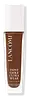
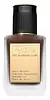
Lancôme Teint Idole Ultra Wear Care and Glow Serum Foundation Versus Pat McGrath Labs Sublime Perfection Foundation


What's inside
What's inside
 Key Ingredients
Benefits
Concerns
Ingredients Side-by-side
Dimethicone
Emollient

Water
Skin ConditioningIsododecane
EmollientAlcohol Denat.
Antimicrobial




Trimethylsiloxysilicate
Emollient
Propylene Glycol
Humectant
Glycerin
Humectant
PEG/PPG-18/18 Dimethicone
Emulsifying
Silica
Abrasive


Synthetic Fluorphlogopite
Polysilicone-11
Rosa Gallica Flower Extract
AstringentMoringa Oleifera Seed Extract
Skin Conditioning
Polymnia Sonchifolia Root Juice
Skin ConditioningSorbitol
Humectant
Mandelic Acid
Antimicrobial





PEG-10 Dimethicone
Skin Conditioning
Alpha-Glucan Oligosaccharide
Cleansing
Sodium Chloride
MaskingSodium Hyaluronate
Humectant

Sodium Hydroxide
BufferingSilica Silylate
Emollient
Cellulose Acetate Butyrate
Aluminum Hydroxide
EmollientAmmonium Polyacryloyldimethyl Taurate
Emulsion StabilisingDisodium Phosphate
BufferingDisodium Stearoyl Glutamate
CleansingHydroxyethylpiperazine Ethane Sulfonic Acid
BufferingCaprylyl Glycol
Emollient
Citric Acid
Buffering
Lactobacillus
Skin ConditioningMaltodextrin
Absorbent
Polyphosphorylcholine Glycol Acrylate
Polyvinyl Alcohol
Butylene Glycol
Humectant
Tocopherol
Antioxidant

Phenoxyethanol
Preservative
Parfum
Masking

Linalool
Perfuming
Geraniol
Perfuming
Limonene
Perfuming
Citral
Perfuming
Citronellol
Perfuming
Benzyl Alcohol
Perfuming
Titanium Dioxide
Cosmetic Colorant

Iron Oxides
Dimethicone, Water, Isododecane, Alcohol Denat., Trimethylsiloxysilicate, Propylene Glycol, Glycerin, PEG/PPG-18/18 Dimethicone, Silica, Synthetic Fluorphlogopite, Polysilicone-11, Rosa Gallica Flower Extract, Moringa Oleifera Seed Extract, Polymnia Sonchifolia Root Juice, Sorbitol, Mandelic Acid, PEG-10 Dimethicone, Alpha-Glucan Oligosaccharide, Sodium Chloride, Sodium Hyaluronate, Sodium Hydroxide, Silica Silylate, Cellulose Acetate Butyrate, Aluminum Hydroxide, Ammonium Polyacryloyldimethyl Taurate, Disodium Phosphate, Disodium Stearoyl Glutamate, Hydroxyethylpiperazine Ethane Sulfonic Acid, Caprylyl Glycol, Citric Acid, Lactobacillus, Maltodextrin, Polyphosphorylcholine Glycol Acrylate, Polyvinyl Alcohol, Butylene Glycol, Tocopherol, Phenoxyethanol, Parfum, Linalool, Geraniol, Limonene, Citral, Citronellol, Benzyl Alcohol, Titanium Dioxide, Iron Oxides
Water
Skin ConditioningCyclopentasiloxane
Emollient
Isododecane
EmollientAlcohol
Antimicrobial
Glycerin
Humectant
Phenyl Trimethicone
Skin Conditioning
Ipdi/Di-C12-13 Alkyl Tartrate/Bis-Hydroxyethoxypropyl Dimethicone Copolymer
Aluminum Starch Octenylsuccinate
Absorbent
Cetyl PEG/PPG-10/1 Dimethicone
Emulsifying
Polyglyceryl-4 Isostearate
Emulsifying
Disteardimonium Hectorite
StabilisingSodium Chloride
MaskingAluminum Hydroxide
EmollientBenzimidazole Diamond Amidoethyl Urea Carbamoyl Propyl Polymethylsilsesquioxane
Cosmetic Colorant
Caprylic/Capric Triglyceride
Masking
Di-C12-13 Alkyl Tartrate
EmollientDisodium Stearoyl Glutamate
CleansingHexyl Laurate
Emollient
Pentaerythrityl Tetra-Di-T-Butyl Hydroxyhydrocinnamate
Antioxidant
Rubus Idaeus Leaf Cell Culture
Skin ConditioningPotassium Sorbate
Preservative
Sodium Dehydroacetate
Preservative
CI 77891
Cosmetic ColorantIron Oxides
Water, Cyclopentasiloxane, Isododecane, Alcohol, Glycerin, Phenyl Trimethicone, Ipdi/Di-C12-13 Alkyl Tartrate/Bis-Hydroxyethoxypropyl Dimethicone Copolymer, Aluminum Starch Octenylsuccinate, Cetyl PEG/PPG-10/1 Dimethicone, Polyglyceryl-4 Isostearate, Disteardimonium Hectorite, Sodium Chloride, Aluminum Hydroxide, Benzimidazole Diamond Amidoethyl Urea Carbamoyl Propyl Polymethylsilsesquioxane, Caprylic/Capric Triglyceride, Di-C12-13 Alkyl Tartrate, Disodium Stearoyl Glutamate, Hexyl Laurate, Pentaerythrityl Tetra-Di-T-Butyl Hydroxyhydrocinnamate, Rubus Idaeus Leaf Cell Culture, Potassium Sorbate, Sodium Dehydroacetate, CI 77891, Iron Oxides
Reviews
Ingredients Explained
These ingredients are found in both products.
Ingredients higher up in an ingredient list are typically present in a larger amount.
Aluminum Hydroxide is a form of aluminum. It can be naturally found in nature as the mineral gibbsite. In cosmetics, Aluminum Hydroxide is used as a colorant, pH adjuster, and absorbent.
As a colorant, Aluminum Hydroxide may add opacity, or reduce the transparency. Aluminum hydroxide is contains both basic and acidic properties.
According to manufacturers, this ingredient is an emollient and humectant. This means it helps hydrate the skin.
In medicine, this ingredient is used to help relieve heartburn and help heal ulcers.
There is currently no credible scientific evidence linking aluminum hydroxide in cosmetics to increased cancer risk.
Major health organizations allow the use of aluminum hydroxide in personal care products and have not flagged it as a carcinogenic risk at typical usage levels.
Learn more about Aluminum HydroxideDSG is used as a surfactant.
Surfactants are cleansing ingredients that help remove oil, dirt, and other impurities from the skin. They work by reducing surface tension between water and oils/dirt to allow them to be easily rinsed away.
Glycerin (or glycerol) is a compound naturally found in your skin. It's a powerhouse humectant that pulls water into the stratum corneum.
Topically, glycerin does several things at once:
Your skin makes glycerin on its own (mostly from sebaceous oil breakdown) and shuttles it to your outermost layer of skin, or your epidermis, via aquaporin-3.
Aquaporin-3 is a transporter that is essential for normal skin hydration, elasticity, and repair. Interestingly, mice lacking in AQP3 have dry and less elastic skin that can be fully corrected with glycerin.
This ingredient is non-irritating, plays well with almost every ingredient, and works across all skin types. Typical use is anywhere between 3-10% but can go up to 79% in some leave-on products.
Just know very high concentrations (>40%) can feel tacky in low humidity.
Glycerin is the name for this ingredient in American English. British English uses Glycerol/Glycerine.
Learn more about GlycerinIsododecane is a fragrance, emollient, and solvent.
As an emollient, it helps your skin stay soft and hydrated. Emollients help trap moisture into your skin.
Isododecane's role as a solvent makes it a great texture enhancer. It spreads smoothly on skin and does not leave a sticky feeling behind. Isododecane also helps prevent color transfer in makeup products.
Isododecane is not absorbed into skin.
The chemical name for this ingredient is 2,2,4,6,6-PENTAMETHYLHEPTANE.
Learn more about IsododecaneChances are, you eat sodium chloride every day. Sodium Chloride is also known as table salt. This ingredient has many purposes in skincare: thickener, emulsifier, and exfoliator.
You'll most likely find this ingredient in cleansers where it is used to create a gel-like texture. As an emulsifier, it also prevents ingredients from separating.
You might see people debate whether Sodium Chloride is comedogenic, but there actually haven't been any comedogenic tests done on it. Either way, the overall formulation of a product matters a lot more than any single ingredient.
You might see this ingredient used in scrubs as a primary exfoliating ingredient.
Learn more about Sodium ChlorideWater. It's the most common cosmetic ingredient of all. You'll usually see it at the top of ingredient lists, meaning that it makes up the largest part of the product.
So why is it so popular? Water most often acts as a solvent - this means that it helps dissolve other ingredients into the formulation.
You'll also recognize water as that liquid we all need to stay alive. If you see this, drink a glass of water. Remember to stay hydrated!
Learn more about WaterThis ingredient is a combination of red, black, and yellow iron oxide pigments. This combination of colors is usually found in foundation, because it results in a "skin" color.
The EU typically uses CI numbers for colorants when applicable, such as CI 77489. In the US, iron oxides are regulated as color additives and "iron oxides" is the most commonly used name in US cosmetic practice.
A 2021 paper looked at skincare formulations containing iron oxides and found that they reduced transmission of blue light when measured optically. In simple terms, the pigment particles helped block or scatter part of the visible light spectrum in lab testing and the authors suggest this could translate into better protection against blue-light-related skin effects.
There is also clinical and experimental research showing that tinted products containing iron oxides can reduce visible light-induced pigmentation:
Please note, whether a product reduces visible or blue light depends on things like:
In the EU's CosIng database, iron oxides are only listed as a colorant. CosIng groups ingredients by their main cosmetic role, such as colorant, preservative, or UV filter.
Though studies say iron oxides can "attenuate blue light", they're describing an optical property and not an officially recognized cosmetic function.
So CosIng isn’t contradicting the research. It’s just classifying iron oxides by what they officially are: pigments that add color.
Learn more about Iron Oxides
