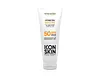
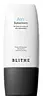
This hybrid sunscreen covers the full UV range and blocks ~98% of UVB at SPF 50.
This hybrid sunscreen covers the full UV range and blocks ~98% of UVB at SPF 50.

What's inside
What's inside
 Key Ingredients
Benefits
Concerns
Ingredients Side-by-side
Water
Skin ConditioningBis-Ethylhexyloxyphenol Methoxyphenyl Triazine
UV Absorber
Coco-Caprylate/Caprate
Emollient
Ethylhexyl Methoxycinnamate
UV Absorber

Homosalate
Skin Conditioning
Glyceryl Stearate
Emollient

Titanium Dioxide
Cosmetic Colorant
Cetearyl Alcohol
Emollient



Disodium Cetearyl Sulfosuccinate
CleansingCetearyl Olivate
Sorbitan Olivate
Emulsifying
PEG-40 Hydrogenated Castor Oil
Emulsifying
Trehalose
Humectant


Silica
Abrasive


Potassium Cetyl Phosphate
EmulsifyingAmmonium Acryloyldimethyltaurate/Vp Copolymer
Xanthan Gum
EmulsifyingPanthenol
Skin Conditioning


Bisabolol
Antioxidant
Tocopherol
Antioxidant


Beta-Sitosterol
Emulsion Stabilising
Squalene
Emollient
Phenoxyethanol
Preservative
Ethylhexylglycerin
Skin ConditioningDisodium EDTA
Lactic Acid
Buffering

Water, Bis-Ethylhexyloxyphenol Methoxyphenyl Triazine, Coco-Caprylate/Caprate, Ethylhexyl Methoxycinnamate, Homosalate, Glyceryl Stearate, Titanium Dioxide, Cetearyl Alcohol, Disodium Cetearyl Sulfosuccinate, Cetearyl Olivate, Sorbitan Olivate, PEG-40 Hydrogenated Castor Oil, Trehalose, Silica, Potassium Cetyl Phosphate, Ammonium Acryloyldimethyltaurate/Vp Copolymer, Xanthan Gum, Panthenol, Bisabolol, Tocopherol, Beta-Sitosterol, Squalene, Phenoxyethanol, Ethylhexylglycerin, Disodium EDTA, Lactic Acid
Water
Skin ConditioningZinc Oxide
Cosmetic Colorant
Cyclohexasiloxane
Emollient
Disiloxane
Skin Conditioning
Butyloctyl Salicylate
Skin Conditioning
Propylene Glycol Dicaprylate
EmollientPropanediol
Solvent
Methyl Trimethicone
Skin Conditioning
Methyl Methacrylate Crosspolymer
Diospyros Kaki Leaf Extract
Skin Protecting
Vitis Vinifera Fruit Extract
Skin ConditioningCarthamus Tinctorius Flower Extract
Skin ConditioningCoffea Arabica Seed Extract
Masking
Polygonum Cuspidatum Root Extract
Antioxidant
Camellia Sinensis Leaf Extract
Antimicrobial
Castanea Crenata Shell Extract
Skin ConditioningZanthoxylum Piperitum Fruit Extract
Skin ConditioningPogostemon Cablin Leaf Oil
Masking
Juniperus Virginiana Oil
Masking
Artemisia Vulgaris Oil
Perfuming

Mentha Arvensis Leaf Oil
Masking
Triethoxycaprylylsilane
Lauryl Polyglyceryl-3 Polydimethylsiloxyethyl Dimethicone
Skin Conditioning
Sodium Chloride
Masking1,2-Hexanediol
Skin Conditioning
Polyglyceryl-3 Polydimethylsiloxyethyl Dimethicone
Skin Conditioning
Glyceryl Caprylate
EmollientCaprylyl Glycol
Emollient
Butylene Glycol
Humectant
Ethylhexylglycerin
Skin ConditioningTocopherol
Antioxidant
Water, Zinc Oxide, Cyclohexasiloxane, Disiloxane, Butyloctyl Salicylate, Propylene Glycol Dicaprylate, Propanediol, Methyl Trimethicone, Methyl Methacrylate Crosspolymer, Diospyros Kaki Leaf Extract, Vitis Vinifera Fruit Extract, Carthamus Tinctorius Flower Extract, Coffea Arabica Seed Extract, Polygonum Cuspidatum Root Extract, Camellia Sinensis Leaf Extract, Castanea Crenata Shell Extract, Zanthoxylum Piperitum Fruit Extract, Pogostemon Cablin Leaf Oil, Juniperus Virginiana Oil, Artemisia Vulgaris Oil, Mentha Arvensis Leaf Oil, Triethoxycaprylylsilane, Lauryl Polyglyceryl-3 Polydimethylsiloxyethyl Dimethicone, Sodium Chloride, 1,2-Hexanediol, Polyglyceryl-3 Polydimethylsiloxyethyl Dimethicone, Glyceryl Caprylate, Caprylyl Glycol, Butylene Glycol, Ethylhexylglycerin, Tocopherol
Ingredients Explained
These ingredients are found in both products.
Ingredients higher up in an ingredient list are typically present in a larger amount.
Ethylhexylglycerin is created from glycerin. It is a multitasker ingredient that:
The CIR Expert Panel found minimal skin absorption or sensitization of any kind in a safety assessment. Though this ingredient is considered well-tolerated, a small number of cases of allergic dermatitis have been published since 2002. Just be sure to patch test if you are unsure.
Industry-reported use ranges from 8% in rinse-off products and 2% in leave-on formulations.
Learn more about EthylhexylglycerinTocopherol is a fat-soluble antioxidant known as Vitamin E.
You'll find this ingredient in the vast majority of skincare (for good reason). It works to neutralize free radicals, or unstable molecules generated by UV exposure, pollution, and other environmental stressors, before they can cause oxidative damage to your skin cells.
Topically applied tocopherol has been shown to protect against UV damage by ramping up the skin's own natural defense enzymes.
It also acts as a skin conditioning agent; some studies show that regular topical use can improve the skin's water-binding capacity over 2-4 weeks.
This ingredient is especially loved for being a team player. When combined with Vitamin C, the photoprotective effect of both ingredients roughly doubles and the combo also helps reduce UV-induced DNA damage.
This ingredient has some brightening potential but it's more of a prevention ingredient than spot-fader. Cell studies show it can slow down melanin production but it's worth noting that it's not the most powerful brightener out there.
In formulations, it also serves as a stabilizer that helps protect other oxidation-prone ingredients from degrading.
Concentrations usually range from 0.1-1% in most leave-on products.
Learn more about TocopherolWater. It's the most common cosmetic ingredient of all. You'll usually see it at the top of ingredient lists, meaning that it makes up the largest part of the product.
So why is it so popular? Water most often acts as a solvent - this means that it helps dissolve other ingredients into the formulation.
You'll also recognize water as that liquid we all need to stay alive. If you see this, drink a glass of water. Remember to stay hydrated!
Learn more about Water

