Hourglass Cosmetics Veil Hydrating Skin Tint Foundation Versus Guerlain Terracotta Le Teint Healthy Glow Foundation


What's inside
What's inside
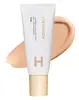 Key Ingredients
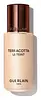
Benefits
Concerns
Ingredients Side-by-side
Water
Skin ConditioningCaprylic/Capric Triglyceride
Masking


Glycerin
Humectant
Limnanthes Alba Seed Oil
Skin Conditioning


Propanediol
Solvent
Squalane
Emollient
C9-12 Alkane
SolventErythritol
Humectant
Dicaprylyl Ether
Emollient
Polyglyceryl-6 Polyricinoleate
Emulsifying
Octyldodecanol
Emollient
Disteardimonium Hectorite
StabilisingDistarch Phosphate
AbsorbentPhenoxyethanol
Preservative
Polyglyceryl-2 Isostearate
Emulsifying
Magnesium Sulfate
Zinc Stearate
Cosmetic ColorantSodium Benzoate
Masking
Sodium Dehydroacetate
Preservative
Butyrospermum Parkii Butter Extract
Skin Conditioning
Hydrogenated Lecithin
Emulsifying
Coco-Caprylate/Caprate
Emollient
Benzoic Acid
Masking
Propylene Carbonate
SolventSodium Hyaluronate
Humectant

Dehydroacetic Acid
Preservative
Lecithin
Emollient
Ethylhexylglycerin
Skin ConditioningTocopherol
Antioxidant



Ascorbyl Palmitate
Antioxidant
Nephelium Lappaceum Peel Extract
Skin ConditioningCitric Acid
Buffering
Stearic Acid
Cleansing
CI 77891
Cosmetic ColorantIron Oxides
Water, Caprylic/Capric Triglyceride, Glycerin, Limnanthes Alba Seed Oil, Propanediol, Squalane, C9-12 Alkane, Erythritol, Dicaprylyl Ether, Polyglyceryl-6 Polyricinoleate, Octyldodecanol, Disteardimonium Hectorite, Distarch Phosphate, Phenoxyethanol, Polyglyceryl-2 Isostearate, Magnesium Sulfate, Zinc Stearate, Sodium Benzoate, Sodium Dehydroacetate, Butyrospermum Parkii Butter Extract, Hydrogenated Lecithin, Coco-Caprylate/Caprate, Benzoic Acid, Propylene Carbonate, Sodium Hyaluronate, Dehydroacetic Acid, Lecithin, Ethylhexylglycerin, Tocopherol, Ascorbyl Palmitate, Nephelium Lappaceum Peel Extract, Citric Acid, Stearic Acid, CI 77891, Iron Oxides
Water
Skin ConditioningC9-12 Alkane
SolventAlcohol
Antimicrobial


Undecane
EmollientSilica
Abrasive


Propanediol
Solvent
Polyglyceryl-2 Dipolyhydroxystearate
Skin Conditioning
Glycerin
Humectant
Tridecane
Perfuming

Disteardimonium Hectorite
StabilisingCoco-Caprylate/Caprate
Emollient
Dicaprylyl Ether
Emollient
Polyglyceryl-3 Diisostearate
Emulsifying
Trimethylsiloxysilicate
Emollient
CI 77120
Cosmetic ColorantVinyl Dimethicone/Lauryl Dimethicone Crosspolymer
Surfactant
Brassica Campestris Seed Oil
Skin Conditioning
Sodium Myristoyl Glutamate
CleansingPropylene Carbonate
SolventParfum
Masking
Lecithin
Emollient
Caprylic/Capric Triglyceride
Masking
Opuntia Ficus-Indica Flower Extract
Skin ConditioningPolyhydroxystearic Acid
Emulsifying
Sodium Benzoate
Masking
Sodium Citrate
BufferingCamelina Sativa Seed Oil
Skin Conditioning
Aluminum Hydroxide
EmollientCitric Acid
Buffering
Isostearic Acid
Cleansing
Polyglyceryl-3 Polyricinoleate
Emulsifying
Mica
Cosmetic ColorantArgania Spinosa Kernel Oil
Emollient
Palmitic Acid
Emollient
Tocopherol
Antioxidant
Magnesium Hydroxide
AbsorbentCI 77891
Cosmetic ColorantCI 77491
Cosmetic ColorantCI 77492
Cosmetic ColorantCI 77499
Cosmetic ColorantCI 77163
Cosmetic Colorant
Water, C9-12 Alkane, Alcohol, Undecane, Silica, Propanediol, Polyglyceryl-2 Dipolyhydroxystearate, Glycerin, Tridecane, Disteardimonium Hectorite, Coco-Caprylate/Caprate, Dicaprylyl Ether, Polyglyceryl-3 Diisostearate, Trimethylsiloxysilicate, CI 77120, Vinyl Dimethicone/Lauryl Dimethicone Crosspolymer, Brassica Campestris Seed Oil, Sodium Myristoyl Glutamate, Propylene Carbonate, Parfum, Lecithin, Caprylic/Capric Triglyceride, Opuntia Ficus-Indica Flower Extract, Polyhydroxystearic Acid, Sodium Benzoate, Sodium Citrate, Camelina Sativa Seed Oil, Aluminum Hydroxide, Citric Acid, Isostearic Acid, Polyglyceryl-3 Polyricinoleate, Mica, Argania Spinosa Kernel Oil, Palmitic Acid, Tocopherol, Magnesium Hydroxide, CI 77891, CI 77491, CI 77492, CI 77499, CI 77163
Reviews
Ingredients Explained
These ingredients are found in both products.
Ingredients higher up in an ingredient list are typically present in a larger amount.
C9-12 Alkane is synethically created using alkanes, or paraffins. It is added to products as a solvent. This means its main purpose is to help dissolve ingredients and create even texture.
Caprylic/Capric Triglyceride (aka MCT Oil) is a lightweight emollient, solvent, and texture enhancer. It is considered a skin-softener by helping to prevent moisture loss.
Though it behaves like an oil, it is not technically one due to its chemical composition. One perk of this ingredient is that it is very stable, resistant to oxidation, and unlikely to go rancid.
In practice, that translates to a long shelf life and a consistently elegant skin feel.
While there is an assumption Caprylic Triglyceride can clog pores due to it being derived from coconut oil, there is no research supporting this. Just patch test if you have concerns.
Fractionated coconut oil and MCT Oil are both listed as Caprylic/Capric Triglyceride according to INCI. This is because INCI names are based on the ingredient’s final chemical composition and not its marketing name or source.
This ingredient is treated as the gold standard fungal acne safe oil. Even though it is coconut derived, the problematic lauric acid is stripped out.
This leaves just caprylic (C8) and capric (C10) acid. These chain lengths actually trend antifungal; a 2020 study found caprylic acid was enough to disrupt Malassezia furfur cell membrane, with a caprylic acid derivative damaging membrane structures at concentrations as low as 0.2%.
Learn more about Caprylic/Capric TriglycerideCi 77891 is a white pigment from Titanium dioxide. It is naturally found in minerals such as rutile and ilmenite.
It's main function is to add a white color to cosmetics. It can also be mixed with other colors to create different shades.
Ci 77891 is commonly found in sunscreens due to its ability to block UV rays.
Learn more about CI 77891Citric Acid is an alpha hydroxy acid (AHA) naturally found in citrus fruits like oranges, lemons, and limes.
Like other AHAs, citric acid can exfoliate skin by breaking down the bonds that hold dead skin cells together. This helps reveal smoother and brighter skin underneath.
However, this exfoliating effect only happens at high concentrations (20%) which can be hard to find in cosmetic products.
Due to this, citric acid is usually included in small amounts as a pH adjuster. This helps keep products slightly more acidic and compatible with skin's natural pH.
In skincare formulas, citric acid can:
While it can provide some skin benefits, research shows lactic acid and glycolic acid are generally more effective and less irritating exfoliants.
Most citric acid used in skincare today is made by fermenting sugars (usually from molasses). This synthetic version is identical to the natural citrus form but easier to stabilize and use in formulations.
Rosacea skin has a lower threshold for acids generally, with 62.5% of rosacea subjects in one study reacting to lactic acid in a sting test. This is why we mark citric acid as a potential rosacea trigger.
However, this ingredient shows up as a pH adjuster or chelator at roughly 0.1-1% in many products. These low levels are unlikely to be an issue for rosacea skin and becomes a potential trigger at exfoliating concentrations (20%). Because everybody's skin is unique, we recommend a patch test if you are unsure.
Learn more about Citric AcidCoco-Caprylate/Caprate is a lightweight ester created from coconut oil fatty acids, caprylic acid, and capric acid.
It is an emollient that helps soften skin and reduce transepidermal water loss (TEWL). What sets it apart from heavier emollients is its ultralight, non-greasy feel.
Once applied, this ingredient dries down quickly and leaves a dry, silky finish behind. This also helps improve spreadability and texture.
This ingredient has an excellent safety-record and is non-irritating.
Typical concentrations for cosmetics range from 0.5-62%.
Research on Malassezia growth found no growth on fatty acid esters with chain lengths shorter than 12 carbons (it prefers C11-24).
Since Coco-Caprylate/Caprate is built on C8 and C10 fatty acids, it is out of the range that Malassezia metabolizes, and therefore safe for fungal acne.
Learn more about Coco-Caprylate/CaprateDicaprylyl Ether is created from caprylic acid. It is a texture-enhancer and emollient.
As an emollient, Dicaprylyl Ether is non-comedogenic. It helps soften and smooth the skin by creating a barrier on top. This barrier helps trap moisture in, helping to hydrate the skin.
Dicaprylyl Ether gives a non-greasy feel and better spreadability to products.
Learn more about Dicaprylyl EtherDisteardimonium Hectorite comes from the clay mineral named hectorite. It is used to add thickness to a product.
It can also help stabilize a product by helping to disperse other ingredients.
Hectorite is a rare, white clay mineral.
Learn more about Disteardimonium HectoriteGlycerin (or glycerol) is a compound naturally found in your skin. It's a powerhouse humectant that pulls water into the stratum corneum.
Topically, glycerin does several things at once:
Your skin makes glycerin on its own (mostly from sebaceous oil breakdown) and shuttles it to your outermost layer of skin, or your epidermis, via aquaporin-3.
Aquaporin-3 is a transporter that is essential for normal skin hydration, elasticity, and repair. Interestingly, mice lacking in AQP3 have dry and less elastic skin that can be fully corrected with glycerin.
This ingredient is non-irritating, plays well with almost every ingredient, and works across all skin types. Typical use is anywhere between 3-10% but can go up to 79% in some leave-on products.
Just know very high concentrations (>40%) can feel tacky in low humidity.
Glycerin is the name for this ingredient in American English. British English uses Glycerol/Glycerine.
Learn more about GlycerinLecithin is a term for a group of substances found in the cell membranes of plants, animals, and humans. They are made up of phospholipids.
Thanks to its amphiphilic structure (water-loving head and oil-loving tail), it is a true multitasker:
It plays well with most ingredients and is typically used at 0.1-1%. However, concentrations up to 50% have been reported in moisturizers.
Learn more about LecithinPropanediol is an all-star ingredient. It softens, hydrates, and smooths the skin.
It’s often used to:
Propanediol is not likely to cause sensitivity and considered safe to use. It is derived from corn or petroleum with a clear color and no scent.
Learn more about PropanediolThis ingredient is a solvent. It helps dissolve active ingredients and alter the texture of products.
Propylene Carbonate is commonly used in makeup and with clay, such as montmorillonite or bentonite.
Studies show this ingredient to be safe for cosmetics. When it is undiluted, it can cause skin irritation. (It is always diluted in skincare and makeup). This ingredient is water-soluble.
Propylene Carbonate is created from propylene glycol and carbonic acid.
Learn more about Propylene CarbonateSodium Benzoate is a preservative. It's used in both cosmetic and food products to inhibit the growth of mold and bacteria. It is typically produced synthetically.
Both the US FDA and EU Health Committee have approved the use of sodium benzoate. In the US, levels of 0.1% (of the total product) are allowed.
Sodium benzoate works as a preservative by inhibiting the growth of bacteria inside of cells. It prevents the cell from fermenting a type of sugar using an enzyme called phosphofructokinase.
It is the salt of benzoic acid. Foods containing sodium benzoate include soda, salad dressings, condiments, fruit juices, wines, and snack foods.
Studies for using ascorbic acid and sodium benzoate in cosmetics are lacking, especially in skincare routines with multiple steps.
We always recommend speaking with a professional, such as a dermatologist, if you have any concerns.
Learn more about Sodium BenzoateTocopherol is a fat-soluble antioxidant known as Vitamin E.
You'll find this ingredient in the vast majority of skincare (for good reason). It works to neutralize free radicals, or unstable molecules generated by UV exposure, pollution, and other environmental stressors, before they can cause oxidative damage to your skin cells.
Topically applied tocopherol has been shown to protect against UV damage by ramping up the skin's own natural defense enzymes.
It also acts as a skin conditioning agent; some studies show that regular topical use can improve the skin's water-binding capacity over 2-4 weeks.
This ingredient is especially loved for being a team player. When combined with Vitamin C, the photoprotective effect of both ingredients roughly doubles and the combo also helps reduce UV-induced DNA damage.
This ingredient has some brightening potential but it's more of a prevention ingredient than spot-fader. Cell studies show it can slow down melanin production but it's worth noting that it's not the most powerful brightener out there.
In formulations, it also serves as a stabilizer that helps protect other oxidation-prone ingredients from degrading.
Concentrations usually range from 0.1-1% in most leave-on products.
Learn more about TocopherolWater. It's the most common cosmetic ingredient of all. You'll usually see it at the top of ingredient lists, meaning that it makes up the largest part of the product.
So why is it so popular? Water most often acts as a solvent - this means that it helps dissolve other ingredients into the formulation.
You'll also recognize water as that liquid we all need to stay alive. If you see this, drink a glass of water. Remember to stay hydrated!
Learn more about Water

