This barrier-repair lip moisturizer is formulated around Butyrospermum Parkii Butter and Ricinus Communis Seed Oil to strengthen the lip barrier and hydrate lips.

What's inside
What's inside
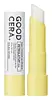 Key Ingredients
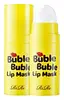
Benefits
Concerns
Ingredients Side-by-side
Butyrospermum Parkii Butter
Skin Conditioning






Diisostearyl Malate
EmollientPolyglyceryl-2 Triisostearate
Emulsifying
Octyldodecanol
Emollient
Ricinus Communis Seed Oil
Masking

Microcrystalline Wax
Emulsion StabilisingHelianthus Annuus Seed Oil
Emollient
Cocos Nucifera Oil
Masking
Ceresin
Emulsion StabilisingMeadowfoam Delta-Lactone
Skin ConditioningEuphorbia Cerifera Wax
Ozokerite
Emulsion StabilisingParaffin
Skin Conditioning
Jojoba Esters
Emollient
Polyethylene
Abrasive
Prunus Amygdalus Dulcis Oil
Skin Conditioning
Tribehenin
Emollient
Sorbitan Sesquioleate
Emulsifying
Trihydroxystearin
Skin Conditioning
Citrus Aurantium Bergamia Fruit Oil
Masking
Camellia Sinensis Seed Oil
Humectant
Camellia Japonica Seed Oil
Emollient
Macadamia Integrifolia Seed Oil
Skin Conditioning
Argania Spinosa Kernel Oil
Emollient

Simmondsia Chinensis Seed Oil
Emollient
Rosa Canina Fruit Oil
Emollient
Tocopherol
Antioxidant




Dehydroacetic Acid
Preservative
Ceramide NP
Skin Conditioning
Monascus Extract
Skin ConditioningWater
Skin ConditioningVitis Vinifera Seed Oil
Emollient
Glycerin
Humectant
Caprylic/Capric Triglyceride
Masking
Butylene Glycol
Humectant
Alteromonas Ferment Filtrate
HumectantHydrogenated Lecithin
Emulsifying
1,2-Hexanediol
Skin Conditioning
Bacillus Ferment
Skin Conditioning
Ceramide AP
Skin Conditioning
Ceramide EOP
Skin Conditioning
Butyrospermum Parkii Butter, Diisostearyl Malate, Polyglyceryl-2 Triisostearate, Octyldodecanol, Ricinus Communis Seed Oil, Microcrystalline Wax, Helianthus Annuus Seed Oil, Cocos Nucifera Oil, Ceresin, Meadowfoam Delta-Lactone, Euphorbia Cerifera Wax, Ozokerite, Paraffin, Jojoba Esters, Polyethylene, Prunus Amygdalus Dulcis Oil, Tribehenin, Sorbitan Sesquioleate, Trihydroxystearin, Citrus Aurantium Bergamia Fruit Oil, Camellia Sinensis Seed Oil, Camellia Japonica Seed Oil, Macadamia Integrifolia Seed Oil, Argania Spinosa Kernel Oil, Simmondsia Chinensis Seed Oil, Rosa Canina Fruit Oil, Tocopherol, Dehydroacetic Acid, Ceramide NP, Monascus Extract, Water, Vitis Vinifera Seed Oil, Glycerin, Caprylic/Capric Triglyceride, Butylene Glycol, Alteromonas Ferment Filtrate, Hydrogenated Lecithin, 1,2-Hexanediol, Bacillus Ferment, Ceramide AP, Ceramide EOP
Water
Skin ConditioningCellulose
Absorbent
Sodium Laureth Sulfate
Cleansing

Butylene Glycol
Humectant
Methyl Perfluoroisobutyl Ether
SolventMethyl Perfluorobutyl Ether
SolventGlycerin
Humectant
Acrylates Copolymer
Triethanolamine
BufferingHydroxyacetophenone
Antioxidant
Carbomer
Emulsion StabilisingCitrus Aurantium Dulcis Peel Oil
Masking
Panthenol
Skin Conditioning
Allantoin
Skin Conditioning
Citrus Limon Fruit Extract
Masking
Citrus Paradisi Fruit Extract
Skin ConditioningCitrus Aurantifolia Fruit Extract
Skin Conditioning1,2-Hexanediol
Skin Conditioning
Sodium Hyaluronate
Humectant
CI 19140
Cosmetic ColorantAscorbic Acid
Antioxidant

Water, Cellulose, Sodium Laureth Sulfate, Butylene Glycol, Methyl Perfluoroisobutyl Ether, Methyl Perfluorobutyl Ether, Glycerin, Acrylates Copolymer, Triethanolamine, Hydroxyacetophenone, Carbomer, Citrus Aurantium Dulcis Peel Oil, Panthenol, Allantoin, Citrus Limon Fruit Extract, Citrus Paradisi Fruit Extract, Citrus Aurantifolia Fruit Extract, 1,2-Hexanediol, Sodium Hyaluronate, CI 19140, Ascorbic Acid
Ingredients Explained
These ingredients are found in both products.
Ingredients higher up in an ingredient list are typically present in a larger amount.
1,2-Hexanediol is a synthetic liquid and another multi-functional powerhouse.
It is a:
- Humectant, drawing moisture into the skin
- Emollient, helping to soften skin
- Solvent, dispersing and stabilizing formulas
- Preservative booster, enhancing the antimicrobial activity of other preservatives
Butylene Glycol (or BG) is used within cosmetic products for a few different reasons:
Overall, Butylene Glycol is a safe and well-rounded ingredient that works well with other ingredients.
Though this ingredient works well with most skin types, some people with sensitive skin may experience a reaction such as allergic rashes, closed comedones, or itchiness.
Learn more about Butylene GlycolGlycerin (or glycerol) is a compound naturally found in your skin. It's a powerhouse humectant that pulls water into the stratum corneum.
Topically, glycerin does several things at once:
Your skin makes glycerin on its own (mostly from sebaceous oil breakdown) and shuttles it to your outermost layer of skin, or your epidermis, via aquaporin-3.
Aquaporin-3 is a transporter that is essential for normal skin hydration, elasticity, and repair. Interestingly, mice lacking in AQP3 have dry and less elastic skin that can be fully corrected with glycerin.
This ingredient is non-irritating, plays well with almost every ingredient, and works across all skin types. Typical use is anywhere between 3-10% but can go up to 79% in some leave-on products.
Just know very high concentrations (>40%) can feel tacky in low humidity.
Glycerin is the name for this ingredient in American English. British English uses Glycerol/Glycerine.
Learn more about GlycerinWater. It's the most common cosmetic ingredient of all. You'll usually see it at the top of ingredient lists, meaning that it makes up the largest part of the product.
So why is it so popular? Water most often acts as a solvent - this means that it helps dissolve other ingredients into the formulation.
You'll also recognize water as that liquid we all need to stay alive. If you see this, drink a glass of water. Remember to stay hydrated!
Learn more about Water

