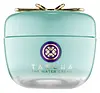
This calming moisturizer is formulated around Aloe Barbadensis Leaf Juice and Rosa Damascena Flower Water to calm redness and hydrate skin.
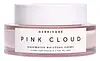
This pore-care moisturizer is formulated around Saccharomyces/Rice Ferment Filtrate and Camellia Sinensis Leaf Extract to refine the look of pores and hydrate skin.

What's inside
What's inside
 Key Ingredients
Benefits
Concerns
Ingredients Side-by-side
Aloe Barbadensis Leaf Juice
Skin Conditioning


Helianthus Annuus Seed Oil
Emollient


Isoamyl Laurate
Emollient
Rosa Damascena Flower Water
Masking
Glyceryl Stearate Citrate
Emollient
Cetearyl Alcohol
Emollient




Glyceryl Caprylate
EmollientPopulus Tremuloides Bark Extract
AntiseborrhoeicAleurites Moluccanus Seed Oil
Skin Conditioning
Propanediol
Solvent
Myrothamnus Flabellifolia Extract
HumectantAscorbic Acid
Antioxidant






Citric Acid
Buffering
Glycerin
Humectant
Cocos Nucifera Fruit Extract
Emollient
Butyrospermum Parkii Butter
Skin Conditioning
Oryza Sativa Extract
Absorbent
Camellia Sinensis Leaf Extract
Antimicrobial

Sodium Hyaluronate
Humectant
Melia Azadirachta Flower Extract
Skin ConditioningCorallina Officinalis Extract
Skin Conditioning
Coccinia Indica Fruit Extract
Skin Conditioning
Melia Azadirachta Leaf Extract
Skin ConditioningSolanum Melongena Fruit Extract
Skin ConditioningAloe Barbadensis Flower Extract
EmollientOcimum Sanctum Leaf Extract
Skin ConditioningCurcuma Longa Root Extract
Antioxidant
Rosmarinus Officinalis Leaf Extract
AntimicrobialSclerotium Gum
Emulsion StabilisingRosa Damascena Flower Oil
Masking


Xanthan Gum
EmulsifyingSodium Phytate
ChelatingAlcohol
Antimicrobial

Sodium Anisate
AntimicrobialAloe Barbadensis Leaf Juice, Helianthus Annuus Seed Oil, Isoamyl Laurate, Rosa Damascena Flower Water, Glyceryl Stearate Citrate, Cetearyl Alcohol, Glyceryl Caprylate, Populus Tremuloides Bark Extract, Aleurites Moluccanus Seed Oil, Propanediol, Myrothamnus Flabellifolia Extract, Ascorbic Acid, Citric Acid, Glycerin, Cocos Nucifera Fruit Extract, Butyrospermum Parkii Butter, Oryza Sativa Extract, Camellia Sinensis Leaf Extract, Sodium Hyaluronate, Melia Azadirachta Flower Extract, Corallina Officinalis Extract, Coccinia Indica Fruit Extract, Melia Azadirachta Leaf Extract, Solanum Melongena Fruit Extract, Aloe Barbadensis Flower Extract, Ocimum Sanctum Leaf Extract, Curcuma Longa Root Extract, Rosmarinus Officinalis Leaf Extract, Sclerotium Gum, Rosa Damascena Flower Oil, Xanthan Gum, Sodium Phytate, Alcohol, Sodium Anisate
Water
Skin ConditioningSaccharomyces/Rice Ferment Filtrate
Skin Conditioning
Dimethicone
Emollient
Propanediol
Solvent
Glycerin
Humectant
Diglycerin
Humectant
Diphenylsiloxy Phenyl Trimethicone
Skin Conditioning
Camellia Sinensis Leaf Extract
Antimicrobial
Cladosiphon Okamuranus Extract
Skin Conditioning
PEG-9 Polydimethylsiloxyethyl Dimethicone
Emulsifying
Gold
Cosmetic ColorantBelamcanda Chinensis Root Extract
Skin ConditioningRosa Multiflora Fruit Extract
MaskingHouttuynia Cordata Extract
Skin Conditioning
Sophora Angustifolia Root Extract
Skin ConditioningSodium Hyaluronate
Humectant
Lecithin
Emollient
Pistacia Lentiscus Gum
MaskingSodium Chloride
MaskingSodium Citrate
BufferingMica
Cosmetic ColorantTin Oxide
Abrasive
Dimethicone/PEG-10/15 Crosspolymer
Dimethicone/Phenyl Vinyl Dimethicone Crosspolymer
Tocopherol
Antioxidant
Butylene Glycol
Humectant
Ethylhexylglycerin
Skin ConditioningDipropylene Glycol
HumectantParfum
Masking
Alcohol
Antimicrobial
Phenoxyethanol
Preservative
Limonene
Perfuming
Linalool
Perfuming
Citral
Perfuming
CI 77891
Cosmetic ColorantWater, Saccharomyces/Rice Ferment Filtrate, Dimethicone, Propanediol, Glycerin, Diglycerin, Diphenylsiloxy Phenyl Trimethicone, Camellia Sinensis Leaf Extract, Cladosiphon Okamuranus Extract, PEG-9 Polydimethylsiloxyethyl Dimethicone, Gold, Belamcanda Chinensis Root Extract, Rosa Multiflora Fruit Extract, Houttuynia Cordata Extract, Sophora Angustifolia Root Extract, Sodium Hyaluronate, Lecithin, Pistacia Lentiscus Gum, Sodium Chloride, Sodium Citrate, Mica, Tin Oxide, Dimethicone/PEG-10/15 Crosspolymer, Dimethicone/Phenyl Vinyl Dimethicone Crosspolymer, Tocopherol, Butylene Glycol, Ethylhexylglycerin, Dipropylene Glycol, Parfum, Alcohol, Phenoxyethanol, Limonene, Linalool, Citral, CI 77891
Reviews
Ingredients Explained
These ingredients are found in both products.
Ingredients higher up in an ingredient list are typically present in a larger amount.
This ingredient is also called ethanol or ethyl alcohol. It is denatured, meaning made undrinkable for cosmetic use.
In formulas, it:
Is it bad for your skin?
The answer comes down to concentration. Patch and wash studies have found highly concentrated alcohol-based hand rubs (60-100%) cause less barrier disruption than washing with a basic detergent like SLS. The only measurable effect in these studies was a temporary dip in skin hydration.
Concentrations below 12-15% in leave-on cosmetics is generally well-tolerated. Concentrations above start to see increased transepidermal water loss (TEWL) and reduced hydration.
In concentrations about 58%, it creates temporary channels in your skin's lipid layers to become more permeable and allow other ingredients to slip through easily.
This ingredient can be up to 80% of the formula in alcohol-based perfumes.
Overall, this ingredient is probably harmless if found lower down an ingredients list but worth side-eyeing if it's high up (especially if your barrier is already struggling).
Alcohol can worsen dry skin, eczema, and oily skin, especially at higher concentrations. This is because it can increase transepidermal water loss and decrease hydration to disrupt the skin barrier.
According to the National Rosacea Society based in the US, you should be mindful of products with these alcohols in the top half of ingredients.
True allergic contact dermatitis to ethanol is uncommon, but be sure to patch test if you have dry or sensitive skin.
Learn more about AlcoholCamellia Sinensis Leaf Extract (tea extract) is one of the most well-researched plant extracts in skincare with an impressive resume.
Black tea, green tea, and oolong tea are all harvested from the Camellia Sinensis plant.
Studies show green tea extract and its catechins (like epigallocatechin gallate (EGCG)) help your skin cells product energy more efficiently and reducing the number of free-radicals that can damage your skin from the inside.
In lab-grown skin models, this translated to younger, healthier, and stronger skin.
There's also good sun protection data; researchers saw less DNA damage and redness on human skin when green tea was applied before UVB exposure. And the more they applied, the better the protection.
Needless to say, this ingredient shouldn't replace your sunscreen. But it is a great supportive ingredient that you can already find in many sunscreens and antioxidant serums.
A 2009 study found a 2% green tea lotion was effective for mild-to-moderate acne thanks to its anti-inflammatory and mild antimicrobial activity.
The quality of the extract matters a lot here:
Good extracts contain 50-90% catechins while lower quality ones are mostly there for marketing. We recommend reaching out to the brand if you have questions about the quality or source of their ingredients.
Human Repeated Insult Patch Testing showed no irritation or sensitization at use concentrations (0.86% in leave-on products and up to 30% as leaf water).
Learn more about Camellia Sinensis Leaf ExtractGlycerin (or glycerol) is a compound naturally found in your skin. It's a powerhouse humectant that pulls water into the stratum corneum.
Topically, glycerin does several things at once:
Your skin makes glycerin on its own (mostly from sebaceous oil breakdown) and shuttles it to your outermost layer of skin, or your epidermis, via aquaporin-3.
Aquaporin-3 is a transporter that is essential for normal skin hydration, elasticity, and repair. Interestingly, mice lacking in AQP3 have dry and less elastic skin that can be fully corrected with glycerin.
This ingredient is non-irritating, plays well with almost every ingredient, and works across all skin types. Typical use is anywhere between 3-10% but can go up to 79% in some leave-on products.
Just know very high concentrations (>40%) can feel tacky in low humidity.
Glycerin is the name for this ingredient in American English. British English uses Glycerol/Glycerine.
Learn more about GlycerinPropanediol is an all-star ingredient. It softens, hydrates, and smooths the skin.
It’s often used to:
Propanediol is not likely to cause sensitivity and considered safe to use. It is derived from corn or petroleum with a clear color and no scent.
Learn more about PropanediolSodium Hyaluronate is the salt form of hyaluronic acid. It is a long sugar chain that is naturally found in your skin, joints, and connective tissue that maintains hydration and elasticity.
In skincare, it works as a humectant. It pulls water from the environment and deeper layers of skin and binds it to the surface.
Interestingly, the size of the molecule affects its behavior:
Some clinical evidence links low molecular weight versions to improved wrinkle depth, elasticity, anti-inflammatory effects, and barrier repair.
Many serums use a blend of both weights so you can get surface hydration plus longer-lasting and deeper effects.
You'll typically see concentrations between 0.1-2% for this ingredient.
Learn more about Sodium Hyaluronate


