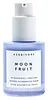
Herbivore Moon Fruit 1% Bakuchiol + Peptides Retinol Alternative Serum Versus Dr. PAWPAW Your Gorgeous Skin 4-in-1 Face Serum
This anti-aging serum is formulated around Bakuchiol to soften the look of wrinkles and refine skin texture.
This hydrating serum is formulated around Bakuchiol and Sodium Hyaluronate to hydrate skin and soften the look of wrinkles.


What's inside
What's inside
 Key Ingredients
Benefits
Concerns
Ingredients Side-by-side
Water
Skin ConditioningTriheptanoin
Skin ConditioningPropanediol
Solvent

C9-12 Alkane
SolventSimmondsia Chinensis Seed Oil
Emollient



Cetearyl Olivate
Sorbitan Olivate
Emulsifying
Glycerin
Humectant
Melia Azadirachta Flower Extract
Skin ConditioningBakuchiol
Antimicrobial








Schisandra Chinensis Fruit Extract
Skin Conditioning
Eragrostis Tef Seed Extract
EmollientAnigozanthos Flavidus Flower/Leaf Extract
Skin ConditioningFicus Carica Fruit Extract
Humectant
Punica Granatum Fruit Extract
Antioxidant
Morus Alba Fruit Extract
Antioxidant
Ginkgo Biloba Nut Extract
Skin ConditioningSodium Stearoyl Glutamate
CleansingCoccinia Indica Fruit Extract
Skin Conditioning
Caprylyl/Capryl Glucoside
CleansingSclerotium Gum
Emulsion StabilisingSodium Levulinate
Skin ConditioningSodium Anisate
AntimicrobialCitric Acid
Buffering
Coco-Caprylate/Caprate
Emollient
Decyl Glucoside
Cleansing
Sodium Phytate
ChelatingTocopheryl Acetate
Antioxidant
Lauryl Glucoside
CleansingVaccinium Angustifolium Fruit Extract
Skin Protecting
Diisopropyl Adipate
EmollientTriethyl Citrate
Masking

Caprylic/Capric Triglyceride
Masking
Vanilla Planifolia Fruit Extract
Skin Conditioning
Rosa Damascena Extract
MaskingAlcohol
Antimicrobial



Citrus Aurantium Dulcis Peel Extract
Emulsion Stabilising
Rubus Idaeus Fruit Extract
AstringentPyrus Malus Fruit Extract
Skin Conditioning
Musa Sapientum Fruit Extract
Skin ConditioningCitrus Aurantium Amara Leaf/Twig Extract
Skin ConditioningCinnamomum Camphora Linalooliferum Wood Extract
Perfuming
Water, Triheptanoin, Propanediol, C9-12 Alkane, Simmondsia Chinensis Seed Oil, Cetearyl Olivate, Sorbitan Olivate, Glycerin, Melia Azadirachta Flower Extract, Bakuchiol, Schisandra Chinensis Fruit Extract, Eragrostis Tef Seed Extract, Anigozanthos Flavidus Flower/Leaf Extract, Ficus Carica Fruit Extract, Punica Granatum Fruit Extract, Morus Alba Fruit Extract, Ginkgo Biloba Nut Extract, Sodium Stearoyl Glutamate, Coccinia Indica Fruit Extract, Caprylyl/Capryl Glucoside, Sclerotium Gum, Sodium Levulinate, Sodium Anisate, Citric Acid, Coco-Caprylate/Caprate, Decyl Glucoside, Sodium Phytate, Tocopheryl Acetate, Lauryl Glucoside, Vaccinium Angustifolium Fruit Extract, Diisopropyl Adipate, Triethyl Citrate, Caprylic/Capric Triglyceride, Vanilla Planifolia Fruit Extract, Rosa Damascena Extract, Alcohol, Citrus Aurantium Dulcis Peel Extract, Rubus Idaeus Fruit Extract, Pyrus Malus Fruit Extract, Musa Sapientum Fruit Extract, Citrus Aurantium Amara Leaf/Twig Extract, Cinnamomum Camphora Linalooliferum Wood Extract
Water
Skin ConditioningGlycerin
Humectant
Butylene Glycol
Humectant
Caprylic/Capric Triglyceride
Masking
Propanediol
Solvent
Polyglyceryl-6 Stearate
Emollient
Polyglyceryl-10 Laurate
Skin Conditioning
Glyceryl Stearate Se
Emulsifying

Bakuchiol
Antimicrobial
Hydroxyacetophenone
Antioxidant
Sodium Acrylate/Sodium Acryloyldimethyl Taurate Copolymer
Emulsion StabilisingPolyisobutene
Arginine
Masking
Carbomer
Emulsion StabilisingXanthan Gum
EmulsifyingPolyglyceryl-6 Behenate
Emulsion Stabilising
Carica Papaya Fruit Extract
Skin ConditioningSimmondsia Chinensis Seed Oil
Emollient
Panthenol
Skin Conditioning
Ethylhexylglycerin
Skin ConditioningHydroxyethylcellulose
Emulsion StabilisingCaprylyl/Capryl Glucoside
CleansingSorbitan Oleate
Emulsifying
1,2-Hexanediol
Skin Conditioning
Citrus Unshiu Peel Extract
MaskingSodium Hyaluronate
Humectant
Sodium Phosphate
BufferingDisodium Phosphate
BufferingHydroxypropyltrimonium Hyaluronate
Sodium Acetylated Hyaluronate
Humectant
Hydrolyzed Hyaluronic Acid
Humectant
Ascorbic Acid
Antioxidant
Hyaluronic Acid
Humectant
Sodium Hyaluronate Crosspolymer
Humectant
Hydrolyzed Sodium Hyaluronate
Skin Conditioning
Potassium Hyaluronate
Skin ConditioningWater, Glycerin, Butylene Glycol, Caprylic/Capric Triglyceride, Propanediol, Polyglyceryl-6 Stearate, Polyglyceryl-10 Laurate, Glyceryl Stearate Se, Bakuchiol, Hydroxyacetophenone, Sodium Acrylate/Sodium Acryloyldimethyl Taurate Copolymer, Polyisobutene, Arginine, Carbomer, Xanthan Gum, Polyglyceryl-6 Behenate, Carica Papaya Fruit Extract, Simmondsia Chinensis Seed Oil, Panthenol, Ethylhexylglycerin, Hydroxyethylcellulose, Caprylyl/Capryl Glucoside, Sorbitan Oleate, 1,2-Hexanediol, Citrus Unshiu Peel Extract, Sodium Hyaluronate, Sodium Phosphate, Disodium Phosphate, Hydroxypropyltrimonium Hyaluronate, Sodium Acetylated Hyaluronate, Hydrolyzed Hyaluronic Acid, Ascorbic Acid, Hyaluronic Acid, Sodium Hyaluronate Crosspolymer, Hydrolyzed Sodium Hyaluronate, Potassium Hyaluronate
Ingredients Explained
These ingredients are found in both products.
Ingredients higher up in an ingredient list are typically present in a larger amount.
Bakuchiol is a plant-derived antioxidant from the seeds of the Psoralea corylifolia plant. It has antimicrobial, emollient, skin conditioning, and antioxidant properties.
You'll likely see it called a "retinol replacement" but the two are technically not related. This is because bakuchiol is able to flip many of the same switches in your skin cells to tell them to:
1) produce more collagen (type I, III, and IV)
2) activate the same genes retinoids do
Unlike retinoids, this ingredient will not increase photosensitivity and is safe to use during pregnancy (but please still check in with your doctor!).
The flagship clinical trial from Dhaliwal et al. 2019 found 0.5% bakuchiol (twice daily) and 0.5% retinol (once daily) reduced wrinkles and hyperpigmentation equally, but bakuchiol had significantly less irritation.
Systematic reviews also back this up:
Bakuchiol is comparable to retinol for photoaging but with better tolerability. It also has mild antibacterial properties against Cutibacterium acnes and antifungal activity in vitro against Candida and dermatophytes.
The reason bakuchiol works well is due to its structure; it is a meroterpene phenol, or a hybrid molecule. The phenol half acts as an antioxidant while the terpene half is fat-loving. This helps the molecule slip through the skin barrier.
This ingredient is usually used between 0.5-2%. Only one case of contact dermatitis has ever been reported for this ingredient.
Learn more about BakuchiolCaprylic/Capric Triglyceride (aka MCT Oil) is a lightweight emollient, solvent, and texture enhancer. It is considered a skin-softener by helping to prevent moisture loss.
Though it behaves like an oil, it is not technically one due to its chemical composition. One perk of this ingredient is that it is very stable, resistant to oxidation, and unlikely to go rancid.
In practice, that translates to a long shelf life and a consistently elegant skin feel.
While there is an assumption Caprylic Triglyceride can clog pores due to it being derived from coconut oil, there is no research supporting this. Just patch test if you have concerns.
Fractionated coconut oil and MCT Oil are both listed as Caprylic/Capric Triglyceride according to INCI. This is because INCI names are based on the ingredient’s final chemical composition and not its marketing name or source.
This ingredient is treated as the gold standard fungal acne safe oil. Even though it is coconut derived, the problematic lauric acid is stripped out.
This leaves just caprylic (C8) and capric (C10) acid. These chain lengths actually trend antifungal; a 2020 study found caprylic acid was enough to disrupt Malassezia furfur cell membrane, with a caprylic acid derivative damaging membrane structures at concentrations as low as 0.2%.
Learn more about Caprylic/Capric TriglycerideThis ingredient is a mild surfactant made by sticking glucose onto a blend of fatty acids.
It does two jobs because it has a sugar head that loves water and a fatty tail that loves oil:
Typical use levels range from 10-20% in cleansers and 15-30% in shower products.
Once on your skin, your skin's glucoside hydrolases breaks it down into glucose and the parent fatty alcohols.
This ingredient is considered fungal acne safe because its fatty alcohol portion sits outside the Malassezia yeast's metabolization range.
Learn more about Caprylyl/Capryl GlucosideGlycerin (or glycerol) is a compound naturally found in your skin. It's a powerhouse humectant that pulls water into the stratum corneum.
Topically, glycerin does several things at once:
Your skin makes glycerin on its own (mostly from sebaceous oil breakdown) and shuttles it to your outermost layer of skin, or your epidermis, via aquaporin-3.
Aquaporin-3 is a transporter that is essential for normal skin hydration, elasticity, and repair. Interestingly, mice lacking in AQP3 have dry and less elastic skin that can be fully corrected with glycerin.
This ingredient is non-irritating, plays well with almost every ingredient, and works across all skin types. Typical use is anywhere between 3-10% but can go up to 79% in some leave-on products.
Just know very high concentrations (>40%) can feel tacky in low humidity.
Glycerin is the name for this ingredient in American English. British English uses Glycerol/Glycerine.
Learn more about GlycerinPropanediol is an all-star ingredient. It softens, hydrates, and smooths the skin.
It’s often used to:
Propanediol is not likely to cause sensitivity and considered safe to use. It is derived from corn or petroleum with a clear color and no scent.
Learn more about PropanediolJojoba oil is one of the most well-studied plant-derived ingredients in cosmetics. It is an emollient with a special structure.
Because it is made up of 97-98% wax esters, it closely mirrors the linear monoesters found in human sebum. This makes it skin compatible, non-greasy, and lightweight.
Unlike other plant oils, jojoba wax doesn't easily penetrate skin. It mostly works in the uppermost layers as an emollient. This just means it forms a light barrier on the skin to help retain moisture.
Formulations with jojoba esters up to 90% reduced transepidermal water loss (TEWL) and increased barrier recovery by 81% (outperforming bisabolol at 47%).
Besides barrier support, the science also suggests jojoba to have anti-inflammatory effects and potential applications for skin infections, aging, and wound healing.
Fun fact: Indigenous cultures have used jojoba as a moisturizer and to help treat burns for centuries.
Fungal acne: The Malassezia yeast is known to metabolize fatty acids in the C11-24 range and jojoba's dominant fatty acid components fall into this range. This ingredient may not be fungal acne safe.
Learn more about Simmondsia Chinensis Seed OilWater. It's the most common cosmetic ingredient of all. You'll usually see it at the top of ingredient lists, meaning that it makes up the largest part of the product.
So why is it so popular? Water most often acts as a solvent - this means that it helps dissolve other ingredients into the formulation.
You'll also recognize water as that liquid we all need to stay alive. If you see this, drink a glass of water. Remember to stay hydrated!
Learn more about Water

