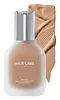
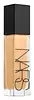
Haus Labs By Lady Gaga Triclone Skin Tech Medium Coverage Foundation with Fermented Arnica Versus NARS Cosmetics Natural Radiant Longwear Foundation


What's inside
What's inside
 Key Ingredients
Benefits
Concerns
Ingredients Side-by-side
Water
Skin ConditioningDiphenylsiloxy Phenyl Trimethicone
Skin Conditioning
Phenyl Trimethicone
Skin Conditioning
Caprylyl Methicone
Skin Conditioning
Trimethylsiloxysilicate
Emollient
Propylene Glycol Dibenzoate
Skin ConditioningIsododecane
EmollientGlycerin
Humectant


Butylene Glycol
Humectant
Methyl Trimethicone
Skin Conditioning
Lauryl Polyglyceryl-3 Polydimethylsiloxyethyl Dimethicone
Skin Conditioning
C13-15 Alkane
SolventPolyglyceryl-3 Polydimethylsiloxyethyl Dimethicone
Skin Conditioning
Alcohol Denat.
Antimicrobial




Acrylates/Polytrimethylsiloxymethacrylate Copolymer
Skin ConditioningPolymethylsilsesquioxane
Sorbitan Sesquioleate
Emulsifying
Disteardimonium Hectorite
Stabilising1,2-Hexanediol
Skin Conditioning
Palmitoyl Tetrapeptide-10
Skin Conditioning
Arnica Montana Flower Extract
Masking
Hydrolyzed Hyaluronic Acid
Humectant

Squalane
Emollient
Pseudozyma Epicola/Camellia Sinensis Seed Oil Ferment Extract Filtrate
Humectant
Prunus Armeniaca Kernel Oil
Masking
Solanum Lycopersicum Fruit Extract
Antioxidant
Dunaliella Salina Extract
Skin ConditioningHedychium Coronarium Root Extract
MaskingTocopherol
Antioxidant



Althaea Rosea Flower Extract
Skin ConditioningTaraxacum Officinale Extract
Skin ConditioningPerilla Ocymoides Leaf Extract
TonicPanax Notoginseng Extract
Skin ConditioningGlycyrrhiza Glabra Root Extract
Bleaching
Chamomilla Recutita Extract
Skin Conditioning
Centella Asiatica Extract
Cleansing
Pseudozyma Epicola/Sunflower Seed Oil Ferment Extract Filtrate
Emulsion Stabilising
Caprylyl Glycol
Emollient
Ethylhexylglycerin
Skin ConditioningMagnesium Sulfate
Polypropylsilsesquioxane
Acrylates/Dimethicone Copolymer
Skin Conditioning
Triethoxycaprylylsilane
Dimethicone/Vinyl Dimethicone Crosspolymer
Skin Conditioning
Aluminum Hydroxide
EmollientCI 77891
Cosmetic ColorantCI 77491
Cosmetic ColorantWater, Diphenylsiloxy Phenyl Trimethicone, Phenyl Trimethicone, Caprylyl Methicone, Trimethylsiloxysilicate, Propylene Glycol Dibenzoate, Isododecane, Glycerin, Butylene Glycol, Methyl Trimethicone, Lauryl Polyglyceryl-3 Polydimethylsiloxyethyl Dimethicone, C13-15 Alkane, Polyglyceryl-3 Polydimethylsiloxyethyl Dimethicone, Alcohol Denat., Acrylates/Polytrimethylsiloxymethacrylate Copolymer, Polymethylsilsesquioxane, Sorbitan Sesquioleate, Disteardimonium Hectorite, 1,2-Hexanediol, Palmitoyl Tetrapeptide-10, Arnica Montana Flower Extract, Hydrolyzed Hyaluronic Acid, Squalane, Pseudozyma Epicola/Camellia Sinensis Seed Oil Ferment Extract Filtrate, Prunus Armeniaca Kernel Oil, Solanum Lycopersicum Fruit Extract, Dunaliella Salina Extract, Hedychium Coronarium Root Extract, Tocopherol, Althaea Rosea Flower Extract, Taraxacum Officinale Extract, Perilla Ocymoides Leaf Extract, Panax Notoginseng Extract, Glycyrrhiza Glabra Root Extract, Chamomilla Recutita Extract, Centella Asiatica Extract, Pseudozyma Epicola/Sunflower Seed Oil Ferment Extract Filtrate, Caprylyl Glycol, Ethylhexylglycerin, Magnesium Sulfate, Polypropylsilsesquioxane, Acrylates/Dimethicone Copolymer, Triethoxycaprylylsilane, Dimethicone/Vinyl Dimethicone Crosspolymer, Aluminum Hydroxide, CI 77891, CI 77491
Dimethicone
Emollient
Water
Skin ConditioningPhenyl Trimethicone
Skin Conditioning
Glycerin
Humectant
Polymethylsilsesquioxane
PEG-10 Dimethicone
Skin Conditioning
Dimethicone Crosspolymer
Emulsion Stabilising
Cyclopentasiloxane
Emollient
Trimethylsiloxysilicate
Emollient
PPG-3 Benzyl Ether Myristate
EmollientBoron Nitride
Absorbent
Bis-Butyldimethicone Polyglyceryl-3
Cleansing
Butylene Glycol
Humectant
Sorbitan Sesquiisostearate
Emulsifying
Rubus Idaeus Fruit Extract
AstringentCitrullus Lanatus Fruit Extract
Skin Conditioning
Pyrus Malus Fruit Extract
Skin Conditioning
Lens Esculenta Fruit Extract
Skin ConditioningTocopherol
Antioxidant
Sodium PCA
Humectant
Sodium Lactate
Buffering
Disodium Stearoyl Glutamate
CleansingHydrogenated Polydecene
EmollientPentaerythrityl Tetraethylhexanoate
Emollient
PEG/PPG-14/7 Dimethyl Ether
Skin ConditioningPentaerythrityl Tetra-Di-T-Butyl Hydroxyhydrocinnamate
Antioxidant
Sodium Stearoyl Glutamate
CleansingBehenic Acid
Cleansing
Stearic Acid
Cleansing
Stearyl Alcohol
Emollient
Behenyl Alcohol
Emollient
Disteardimonium Hectorite
StabilisingTriethoxycaprylylsilane
CI 77120
Cosmetic ColorantAluminum Dimyristate
Emulsion StabilisingAlumina
Abrasive
Tin Oxide
Abrasive
Polysilicone-2
Potassium Hydroxide
BufferingPhenoxyethanol
Preservative
Sodium Benzoate
Masking
Potassium Sorbate
Preservative
Mica
Cosmetic ColorantCI 77891
Cosmetic ColorantCI 77491
Cosmetic ColorantCI 77492
Cosmetic ColorantCI 77499
Cosmetic ColorantDimethicone, Water, Phenyl Trimethicone, Glycerin, Polymethylsilsesquioxane, PEG-10 Dimethicone, Dimethicone Crosspolymer, Cyclopentasiloxane, Trimethylsiloxysilicate, PPG-3 Benzyl Ether Myristate, Boron Nitride, Bis-Butyldimethicone Polyglyceryl-3, Butylene Glycol, Sorbitan Sesquiisostearate, Rubus Idaeus Fruit Extract, Citrullus Lanatus Fruit Extract, Pyrus Malus Fruit Extract, Lens Esculenta Fruit Extract, Tocopherol, Sodium PCA, Sodium Lactate, Disodium Stearoyl Glutamate, Hydrogenated Polydecene, Pentaerythrityl Tetraethylhexanoate, PEG/PPG-14/7 Dimethyl Ether, Pentaerythrityl Tetra-Di-T-Butyl Hydroxyhydrocinnamate, Sodium Stearoyl Glutamate, Behenic Acid, Stearic Acid, Stearyl Alcohol, Behenyl Alcohol, Disteardimonium Hectorite, Triethoxycaprylylsilane, CI 77120, Aluminum Dimyristate, Alumina, Tin Oxide, Polysilicone-2, Potassium Hydroxide, Phenoxyethanol, Sodium Benzoate, Potassium Sorbate, Mica, CI 77891, CI 77491, CI 77492, CI 77499
Reviews
Ingredients Explained
These ingredients are found in both products.
Ingredients higher up in an ingredient list are typically present in a larger amount.
Butylene Glycol (or BG) is used within cosmetic products for a few different reasons:
Overall, Butylene Glycol is a safe and well-rounded ingredient that works well with other ingredients.
Though this ingredient works well with most skin types, some people with sensitive skin may experience a reaction such as allergic rashes, closed comedones, or itchiness.
Learn more about Butylene GlycolCi 77491 is also hydrated iron III oxide. It's sole purpose is to give a red/pink hue to products.
Iron III oxides are classified as inorganic chemicals for coloring.
Synthetically created Ci 77491 is considered safer than those naturally found. This is because the synthetically created version may contain less impurities. Iron oxides are generally non-toxic and non-allergenic.
Learn more about CI 77491Ci 77891 is a white pigment from Titanium dioxide. It is naturally found in minerals such as rutile and ilmenite.
It's main function is to add a white color to cosmetics. It can also be mixed with other colors to create different shades.
Ci 77891 is commonly found in sunscreens due to its ability to block UV rays.
Learn more about CI 77891Disteardimonium Hectorite comes from the clay mineral named hectorite. It is used to add thickness to a product.
It can also help stabilize a product by helping to disperse other ingredients.
Hectorite is a rare, white clay mineral.
Learn more about Disteardimonium HectoriteGlycerin (or glycerol) is a compound naturally found in your skin. It's a powerhouse humectant that pulls water into the stratum corneum.
Topically, glycerin does several things at once:
Your skin makes glycerin on its own (mostly from sebaceous oil breakdown) and shuttles it to your outermost layer of skin, or your epidermis, via aquaporin-3.
Aquaporin-3 is a transporter that is essential for normal skin hydration, elasticity, and repair. Interestingly, mice lacking in AQP3 have dry and less elastic skin that can be fully corrected with glycerin.
This ingredient is non-irritating, plays well with almost every ingredient, and works across all skin types. Typical use is anywhere between 3-10% but can go up to 79% in some leave-on products.
Just know very high concentrations (>40%) can feel tacky in low humidity.
Glycerin is the name for this ingredient in American English. British English uses Glycerol/Glycerine.
Learn more about GlycerinPhenyl Trimethicone is a silicon-based polymer. It is derived from silica.
Phenyl Trimethicone is used as an emollient and prevents products from foaming.
As an emollient, it helps trap moisture in the skin. It is considered an occlusive.
Learn more about Phenyl TrimethiconePolymethylsilsesquioxane is a silicone used as a film forming agent.
When applied to the skin, this ingredient creates an invisible film on the surface. This film still allows oxygen to pass through, but prevents moisture from escaping. This can help condition and hydrate the skin. It also leaves a silky feel when applied.
Polymethylsilsesquioxane has not been shown to clog pores. It has been deemed safe to use up to 55%, but most cosmetics use much less.
If you have concerns about using this ingredient, we recommend speaking with a professional.
Learn more about PolymethylsilsesquioxaneTocopherol is a fat-soluble antioxidant known as Vitamin E.
You'll find this ingredient in the vast majority of skincare (for good reason). It works to neutralize free radicals, or unstable molecules generated by UV exposure, pollution, and other environmental stressors, before they can cause oxidative damage to your skin cells.
Topically applied tocopherol has been shown to protect against UV damage by ramping up the skin's own natural defense enzymes.
It also acts as a skin conditioning agent; some studies show that regular topical use can improve the skin's water-binding capacity over 2-4 weeks.
This ingredient is especially loved for being a team player. When combined with Vitamin C, the photoprotective effect of both ingredients roughly doubles and the combo also helps reduce UV-induced DNA damage.
This ingredient has some brightening potential but it's more of a prevention ingredient than spot-fader. Cell studies show it can slow down melanin production but it's worth noting that it's not the most powerful brightener out there.
In formulations, it also serves as a stabilizer that helps protect other oxidation-prone ingredients from degrading.
Concentrations usually range from 0.1-1% in most leave-on products.
Learn more about TocopherolTriethoxycaprylylsilane is a silicon-based surface modifier that makes sunscreens feel silky and makeup stay put.
Its main job is to coat mineral particles like titanium dioxide, zinc oxide, and color pigments in a thin, oily layer so they spread smoothly, don't clump, and stick to skin better.
This ingredient is typically used at low levels (up to 2.5% in eyeshadow and 1% in lipstick).
Learn more about TriethoxycaprylylsilaneThis silicone is an emollient. Emollients create a thin film on the skin to prevent moisture from escaping.
It is not soluble in water and helps increase water-resistance in products.
According to a manufacturer, it can blend seamlessly with silicone oils, such as Cyclopentasiloxane.
Learn more about TrimethylsiloxysilicateWater. It's the most common cosmetic ingredient of all. You'll usually see it at the top of ingredient lists, meaning that it makes up the largest part of the product.
So why is it so popular? Water most often acts as a solvent - this means that it helps dissolve other ingredients into the formulation.
You'll also recognize water as that liquid we all need to stay alive. If you see this, drink a glass of water. Remember to stay hydrated!
Learn more about Water

