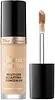
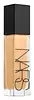
Too Faced Born This Way Super Coverage Multi-Use Concealer Versus NARS Cosmetics Natural Radiant Longwear Foundation


What's inside
What's inside
 Key Ingredients
Benefits
Concerns
Ingredients Side-by-side
Water
Skin ConditioningCyclopentasiloxane
Emollient
Butylene Glycol Dicaprylate/Dicaprate
EmollientTriethylhexanoin
MaskingIsoamyl Laurate
Emollient

Methyl Trimethicone
Skin Conditioning
Pentylene Glycol
Skin Conditioning
Polyglyceryl-4 Diisostearate/Polyhydroxystearate/Sebacate
Emulsifying
Hydrogenated Starch Hydrolysate
HumectantCetyl PEG/PPG-10/1 Dimethicone
Emulsifying
Trimethylsiloxysilicate
Emollient
Silica
Abrasive


Perfluorooctyl Triethoxysilane
Aluminum Hydroxide
EmollientHydroxyacetophenone
Antioxidant
Sodium Chloride
MaskingDisteardimonium Hectorite
StabilisingDimethicone
Emollient
Acrylates/Polytrimethylsiloxymethacrylate Copolymer
Skin Conditioning1,2-Hexanediol
Skin Conditioning
Caprylyl Glycol
Emollient
Dimethicone/Vinyl Dimethicone Crosspolymer
Skin Conditioning
Trisodium Ethylenediamine Disuccinate
ChelatingGlycerin
Humectant
Cocos Nucifera Water
Masking

Sodium Hyaluronate
Humectant


Cocos Nucifera Fruit Juice
Emollient
Rhododendron Ferrugineum Extract
MaskingPotassium Sorbate
Preservative
Sodium Benzoate
Masking
CI 77891
Cosmetic ColorantIron Oxides
Water, Cyclopentasiloxane, Butylene Glycol Dicaprylate/Dicaprate, Triethylhexanoin, Isoamyl Laurate, Methyl Trimethicone, Pentylene Glycol, Polyglyceryl-4 Diisostearate/Polyhydroxystearate/Sebacate, Hydrogenated Starch Hydrolysate, Cetyl PEG/PPG-10/1 Dimethicone, Trimethylsiloxysilicate, Silica, Perfluorooctyl Triethoxysilane, Aluminum Hydroxide, Hydroxyacetophenone, Sodium Chloride, Disteardimonium Hectorite, Dimethicone, Acrylates/Polytrimethylsiloxymethacrylate Copolymer, 1,2-Hexanediol, Caprylyl Glycol, Dimethicone/Vinyl Dimethicone Crosspolymer, Trisodium Ethylenediamine Disuccinate, Glycerin, Cocos Nucifera Water, Sodium Hyaluronate, Cocos Nucifera Fruit Juice, Rhododendron Ferrugineum Extract, Potassium Sorbate, Sodium Benzoate, CI 77891, Iron Oxides
Dimethicone
Emollient
Water
Skin ConditioningPhenyl Trimethicone
Skin Conditioning
Glycerin
Humectant
Polymethylsilsesquioxane
PEG-10 Dimethicone
Skin Conditioning
Dimethicone Crosspolymer
Emulsion Stabilising
Cyclopentasiloxane
Emollient
Trimethylsiloxysilicate
Emollient
PPG-3 Benzyl Ether Myristate
EmollientBoron Nitride
Absorbent
Bis-Butyldimethicone Polyglyceryl-3
Cleansing
Butylene Glycol
Humectant
Sorbitan Sesquiisostearate
Emulsifying
Rubus Idaeus Fruit Extract
AstringentCitrullus Lanatus Fruit Extract
Skin Conditioning
Pyrus Malus Fruit Extract
Skin Conditioning
Lens Esculenta Fruit Extract
Skin ConditioningTocopherol
Antioxidant


Sodium PCA
Humectant
Sodium Lactate
Buffering
Disodium Stearoyl Glutamate
CleansingHydrogenated Polydecene
EmollientPentaerythrityl Tetraethylhexanoate
Emollient
PEG/PPG-14/7 Dimethyl Ether
Skin ConditioningPentaerythrityl Tetra-Di-T-Butyl Hydroxyhydrocinnamate
Antioxidant
Sodium Stearoyl Glutamate
CleansingBehenic Acid
Cleansing
Stearic Acid
Cleansing
Stearyl Alcohol
Emollient
Behenyl Alcohol
Emollient
Disteardimonium Hectorite
StabilisingTriethoxycaprylylsilane
CI 77120
Cosmetic ColorantAluminum Dimyristate
Emulsion StabilisingAlumina
Abrasive
Tin Oxide
Abrasive
Polysilicone-2
Potassium Hydroxide
BufferingPhenoxyethanol
Preservative
Sodium Benzoate
Masking
Potassium Sorbate
Preservative
Mica
Cosmetic ColorantCI 77891
Cosmetic ColorantCI 77491
Cosmetic ColorantCI 77492
Cosmetic ColorantCI 77499
Cosmetic ColorantDimethicone, Water, Phenyl Trimethicone, Glycerin, Polymethylsilsesquioxane, PEG-10 Dimethicone, Dimethicone Crosspolymer, Cyclopentasiloxane, Trimethylsiloxysilicate, PPG-3 Benzyl Ether Myristate, Boron Nitride, Bis-Butyldimethicone Polyglyceryl-3, Butylene Glycol, Sorbitan Sesquiisostearate, Rubus Idaeus Fruit Extract, Citrullus Lanatus Fruit Extract, Pyrus Malus Fruit Extract, Lens Esculenta Fruit Extract, Tocopherol, Sodium PCA, Sodium Lactate, Disodium Stearoyl Glutamate, Hydrogenated Polydecene, Pentaerythrityl Tetraethylhexanoate, PEG/PPG-14/7 Dimethyl Ether, Pentaerythrityl Tetra-Di-T-Butyl Hydroxyhydrocinnamate, Sodium Stearoyl Glutamate, Behenic Acid, Stearic Acid, Stearyl Alcohol, Behenyl Alcohol, Disteardimonium Hectorite, Triethoxycaprylylsilane, CI 77120, Aluminum Dimyristate, Alumina, Tin Oxide, Polysilicone-2, Potassium Hydroxide, Phenoxyethanol, Sodium Benzoate, Potassium Sorbate, Mica, CI 77891, CI 77491, CI 77492, CI 77499
Reviews
Ingredients Explained
These ingredients are found in both products.
Ingredients higher up in an ingredient list are typically present in a larger amount.
Ci 77891 is a white pigment from Titanium dioxide. It is naturally found in minerals such as rutile and ilmenite.
It's main function is to add a white color to cosmetics. It can also be mixed with other colors to create different shades.
Ci 77891 is commonly found in sunscreens due to its ability to block UV rays.
Learn more about CI 77891Cyclopentasiloxane (D5) is a lightweight silicone that mostly acts as an emollient and solvent in cosmetics. Its the reason your products feel silky, fast-spreading, and non-greasy.
Since D5 is volatile, it does its thing and then evaporates off the skin quickly.
The safety profile of this ingredient is reassuring; the US CIR Expert Panel concluded D5 is safe as used in cosmetics and Health Canada concluded that D5 is not harmful to human health or the environment as currently used in cosmetics
There's a study that people mention about D5 in a rat study showing tumors. This study is related to long-term inhalation of high D5 levels.
Regulatory bodies have judged this study to be not applicable in topical skincare since skin absorption of D5 is very low and we're not really inhaling huge amounts of D5.
The only restriction for this ingredient is environmental. The European Chemicals Agency (ECHA) restricted D5 in wash-off cosmetics at or above 0.1% due to their persistence in water.
Learn more about CyclopentasiloxaneDimethicone is a type of synthetic silicone created from natural materials such as quartz. It is also known as polydimethylsiloxane.
What it does:
Dimethicone comes in different viscosities:
Depending on the viscosity, dimethicone has different properties.
Ingredients lists don't always show which type is used, so we recommend reaching out to the brand if you have questions about the viscosity.
This ingredient is unlikely to cause irritation because it does not get absorbed into skin. However, people with silicone allergies should be careful about using this ingredient.
Note: Dimethicone may contribute to pilling. This is because it is not oil or water soluble, so pilling may occur when layered with products. When mixed with heavy oils in a formula, the outcome is also quite greasy.
Learn more about DimethiconeDisteardimonium Hectorite comes from the clay mineral named hectorite. It is used to add thickness to a product.
It can also help stabilize a product by helping to disperse other ingredients.
Hectorite is a rare, white clay mineral.
Learn more about Disteardimonium HectoriteGlycerin (or glycerol) is a compound naturally found in your skin. It's a powerhouse humectant that pulls water into the stratum corneum.
Topically, glycerin does several things at once:
Your skin makes glycerin on its own (mostly from sebaceous oil breakdown) and shuttles it to your outermost layer of skin, or your epidermis, via aquaporin-3.
Aquaporin-3 is a transporter that is essential for normal skin hydration, elasticity, and repair. Interestingly, mice lacking in AQP3 have dry and less elastic skin that can be fully corrected with glycerin.
This ingredient is non-irritating, plays well with almost every ingredient, and works across all skin types. Typical use is anywhere between 3-10% but can go up to 79% in some leave-on products.
Just know very high concentrations (>40%) can feel tacky in low humidity.
Glycerin is the name for this ingredient in American English. British English uses Glycerol/Glycerine.
Learn more about GlycerinPotassium Sorbate is a preservative used to prevent yeast and mold in products. It is commonly found in both cosmetic and food products.
This ingredient comes from potassium salt derived from sorbic acid. Sorbic acid is a natural antibiotic and effective against fungus.
Both potassium sorbate and sorbic acid can be found in baked goods, cheeses, dried meats, dried fruit, ice cream, pickles, wine, yogurt, and more.
You'll often find this ingredient used with other preservatives.
Learn more about Potassium SorbateSodium Benzoate is a preservative. It's used in both cosmetic and food products to inhibit the growth of mold and bacteria. It is typically produced synthetically.
Both the US FDA and EU Health Committee have approved the use of sodium benzoate. In the US, levels of 0.1% (of the total product) are allowed.
Sodium benzoate works as a preservative by inhibiting the growth of bacteria inside of cells. It prevents the cell from fermenting a type of sugar using an enzyme called phosphofructokinase.
It is the salt of benzoic acid. Foods containing sodium benzoate include soda, salad dressings, condiments, fruit juices, wines, and snack foods.
Studies for using ascorbic acid and sodium benzoate in cosmetics are lacking, especially in skincare routines with multiple steps.
We always recommend speaking with a professional, such as a dermatologist, if you have any concerns.
Learn more about Sodium BenzoateThis silicone is an emollient. Emollients create a thin film on the skin to prevent moisture from escaping.
It is not soluble in water and helps increase water-resistance in products.
According to a manufacturer, it can blend seamlessly with silicone oils, such as Cyclopentasiloxane.
Learn more about TrimethylsiloxysilicateWater. It's the most common cosmetic ingredient of all. You'll usually see it at the top of ingredient lists, meaning that it makes up the largest part of the product.
So why is it so popular? Water most often acts as a solvent - this means that it helps dissolve other ingredients into the formulation.
You'll also recognize water as that liquid we all need to stay alive. If you see this, drink a glass of water. Remember to stay hydrated!
Learn more about Water

