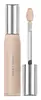
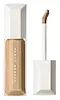
Haus Labs By Lady Gaga Triclone Skin Tech Hydrating Concealer with Fermented Arnica Versus Fenty Beauty We're Even Hydrating Longwear Concealer

What's inside
What's inside
 Key Ingredients
Benefits
Concerns
Ingredients Side-by-side
Water
Skin ConditioningGlycerin
Humectant


Diphenylsiloxy Phenyl Trimethicone
Skin Conditioning
Trimethylsiloxysilicate
Emollient
Caprylyl Methicone
Skin Conditioning
Lauryl Polyglyceryl-3 Polydimethylsiloxyethyl Dimethicone
Skin Conditioning
C13-15 Alkane
SolventIsododecane
EmollientDimethicone
Emollient
Methyl Trimethicone
Skin Conditioning
Polypropylsilsesquioxane
Phenyl Trimethicone
Skin Conditioning
Disteardimonium Hectorite
StabilisingPolymethylsilsesquioxane
Magnesium Sulfate
Acrylates/Dimethicone Copolymer
Skin Conditioning
Arnica Montana Flower Extract
Masking
Niacinamide
Smoothing









Squalane
Emollient
Hydrolyzed Hyaluronic Acid
Humectant
Coleus Forskohlii Root Extract
EmollientSodium Hyaluronate
Humectant
Hyaluronic Acid
Humectant
Pseudozyma Epicola/Camellia Sinensis Seed Oil Ferment Extract Filtrate
Humectant


Prunus Armeniaca Kernel Oil
Masking

Pseudozyma Epicola/Apricot Kernel Oil/Olive Fruit Oil/Sunflower Seed Oil/Sweet Almond Oil/(Angelica Gigas/Lithospermum Erythrorhizon) Root Extract Ferment Extract Filtrate
Solanum Lycopersicum Fruit Extract
Antioxidant
Dunaliella Salina Extract
Skin ConditioningSodium Acetylated Hyaluronate
Humectant
Sodium Hyaluronate Crosspolymer
Humectant
Pseudanabaena Galeata Extract
Skin ConditioningHydrolyzed Sodium Hyaluronate
Skin Conditioning
Tocopherol
Antioxidant
Potassium Hyaluronate
Skin ConditioningPseudozyma Epicola/Sunflower Seed Oil Ferment Extract Filtrate
Emulsion Stabilising
Betaine
Humectant
Hydroxypropyltrimonium Hyaluronate
Caprylyl Glycol
Emollient
Aloe Barbadensis Leaf Extract
Emollient
Sorbitan Sesquioleate
Emulsifying
Polyglyceryl-3 Polydimethylsiloxyethyl Dimethicone
Skin Conditioning
Acrylates/Polytrimethylsiloxymethacrylate Copolymer
Skin Conditioning1,2-Hexanediol
Skin Conditioning
Ethylhexylglycerin
Skin ConditioningDimethicone/Vinyl Dimethicone Crosspolymer
Skin Conditioning
Cetearyl Dimethicone/Vinyl Dimethicone Crosspolymer
Emollient
Triethoxycaprylylsilane
Xanthan Gum
EmulsifyingSilica Silylate
Emollient
Aluminum Hydroxide
EmollientBoron Nitride
Absorbent
CI 77491
Cosmetic ColorantCI 77891
Cosmetic ColorantWater, Glycerin, Diphenylsiloxy Phenyl Trimethicone, Trimethylsiloxysilicate, Caprylyl Methicone, Lauryl Polyglyceryl-3 Polydimethylsiloxyethyl Dimethicone, C13-15 Alkane, Isododecane, Dimethicone, Methyl Trimethicone, Polypropylsilsesquioxane, Phenyl Trimethicone, Disteardimonium Hectorite, Polymethylsilsesquioxane, Magnesium Sulfate, Acrylates/Dimethicone Copolymer, Arnica Montana Flower Extract, Niacinamide, Squalane, Hydrolyzed Hyaluronic Acid, Coleus Forskohlii Root Extract, Sodium Hyaluronate, Hyaluronic Acid, Pseudozyma Epicola/Camellia Sinensis Seed Oil Ferment Extract Filtrate, Prunus Armeniaca Kernel Oil, Pseudozyma Epicola/Apricot Kernel Oil/Olive Fruit Oil/Sunflower Seed Oil/Sweet Almond Oil/(Angelica Gigas/Lithospermum Erythrorhizon) Root Extract Ferment Extract Filtrate, Solanum Lycopersicum Fruit Extract, Dunaliella Salina Extract, Sodium Acetylated Hyaluronate, Sodium Hyaluronate Crosspolymer, Pseudanabaena Galeata Extract, Hydrolyzed Sodium Hyaluronate, Tocopherol, Potassium Hyaluronate, Pseudozyma Epicola/Sunflower Seed Oil Ferment Extract Filtrate, Betaine, Hydroxypropyltrimonium Hyaluronate, Caprylyl Glycol, Aloe Barbadensis Leaf Extract, Sorbitan Sesquioleate, Polyglyceryl-3 Polydimethylsiloxyethyl Dimethicone, Acrylates/Polytrimethylsiloxymethacrylate Copolymer, 1,2-Hexanediol, Ethylhexylglycerin, Dimethicone/Vinyl Dimethicone Crosspolymer, Cetearyl Dimethicone/Vinyl Dimethicone Crosspolymer, Triethoxycaprylylsilane, Xanthan Gum, Silica Silylate, Aluminum Hydroxide, Boron Nitride, CI 77491, CI 77891
Water
Skin ConditioningCaprylyl Methicone
Skin Conditioning
Dicaprylyl Carbonate
EmollientUndecane
EmollientPolyglyceryl-2 Dipolyhydroxystearate
Skin Conditioning
Glycerin
Humectant
Propanediol
Solvent
Tridecane
Perfuming
Polyglyceryl-6 Polyricinoleate
Emulsifying
Saccharomyces Ferment
Skin Conditioning
Albizia Julibrissin Bark Extract
MaskingShorea Robusta Resin
TonicSodium Chloride
MaskingPolyglyceryl-3 Diisostearate
Emulsifying
1,2-Hexanediol
Skin Conditioning
Opuntia Ficus-Indica Stem Extract
Skin Conditioning
Octyldodecanol
Emollient
Stearalkonium Hectorite
Gel FormingDimethicone/Vinyl Dimethicone Crosspolymer
Skin Conditioning
Triethoxysilylethyl Polydimethylsiloxyethyl Hexyl Dimethicone
Skin Conditioning
Disteardimonium Hectorite
StabilisingPhenoxyethanol
Preservative
Tocopheryl Acetate
Antioxidant
Propylene Carbonate
SolventLauroyl Lysine
Skin Conditioning
Sodium Hyaluronate
Humectant
Sodium Benzoate
Masking
Tocopherol
Antioxidant
Citric Acid
Buffering
Sodium Citrate
BufferingIron Oxides
CI 77891
Cosmetic ColorantWater, Caprylyl Methicone, Dicaprylyl Carbonate, Undecane, Polyglyceryl-2 Dipolyhydroxystearate, Glycerin, Propanediol, Tridecane, Polyglyceryl-6 Polyricinoleate, Saccharomyces Ferment, Albizia Julibrissin Bark Extract, Shorea Robusta Resin, Sodium Chloride, Polyglyceryl-3 Diisostearate, 1,2-Hexanediol, Opuntia Ficus-Indica Stem Extract, Octyldodecanol, Stearalkonium Hectorite, Dimethicone/Vinyl Dimethicone Crosspolymer, Triethoxysilylethyl Polydimethylsiloxyethyl Hexyl Dimethicone, Disteardimonium Hectorite, Phenoxyethanol, Tocopheryl Acetate, Propylene Carbonate, Lauroyl Lysine, Sodium Hyaluronate, Sodium Benzoate, Tocopherol, Citric Acid, Sodium Citrate, Iron Oxides, CI 77891
Reviews
Ingredients Explained
These ingredients are found in both products.
Ingredients higher up in an ingredient list are typically present in a larger amount.
1,2-Hexanediol is a synthetic liquid and another multi-functional powerhouse.
It is a:
- Humectant, drawing moisture into the skin
- Emollient, helping to soften skin
- Solvent, dispersing and stabilizing formulas
- Preservative booster, enhancing the antimicrobial activity of other preservatives
Caprylyl Methicone is a synthetic and lightweight silicone fluid. It gives products a silky, dry-touch finish without the heaviness of pure oils.
Though the EU CosIng Database lists this ingredient as a skin conditioner, it is also used for sensory reasons. It spreads easily, cuts greasiness, and reduces tackiness.
This ingredient is volatile which means it will mostly evaporate (but it evaporates slower than older cyclomethicones, like Cyclotetrasiloxane).
Typical concentration ranges from 1-30% depending on if it's being used to tweak the feel of a product or acting as the main emollient.
Learn more about Caprylyl MethiconeCi 77891 is a white pigment from Titanium dioxide. It is naturally found in minerals such as rutile and ilmenite.
It's main function is to add a white color to cosmetics. It can also be mixed with other colors to create different shades.
Ci 77891 is commonly found in sunscreens due to its ability to block UV rays.
Learn more about CI 77891This ingredient is a silicone elastomer that works as a texture enhancer, adds a silky slip, and also helps absorb excess oil.
Because it's a large macromolecule that's insoluble in water and chemically inert, it's not expected to penetrate or be absorbed into skin.
Human patch tests with a facial lotion containing 1% of this ingredient found no sensitization.
Learn more about Dimethicone/Vinyl Dimethicone CrosspolymerDisteardimonium Hectorite comes from the clay mineral named hectorite. It is used to add thickness to a product.
It can also help stabilize a product by helping to disperse other ingredients.
Hectorite is a rare, white clay mineral.
Learn more about Disteardimonium HectoriteGlycerin (or glycerol) is a compound naturally found in your skin. It's a powerhouse humectant that pulls water into the stratum corneum.
Topically, glycerin does several things at once:
Your skin makes glycerin on its own (mostly from sebaceous oil breakdown) and shuttles it to your outermost layer of skin, or your epidermis, via aquaporin-3.
Aquaporin-3 is a transporter that is essential for normal skin hydration, elasticity, and repair. Interestingly, mice lacking in AQP3 have dry and less elastic skin that can be fully corrected with glycerin.
This ingredient is non-irritating, plays well with almost every ingredient, and works across all skin types. Typical use is anywhere between 3-10% but can go up to 79% in some leave-on products.
Just know very high concentrations (>40%) can feel tacky in low humidity.
Glycerin is the name for this ingredient in American English. British English uses Glycerol/Glycerine.
Learn more about GlycerinSodium Hyaluronate is the salt form of hyaluronic acid. It is a long sugar chain that is naturally found in your skin, joints, and connective tissue that maintains hydration and elasticity.
In skincare, it works as a humectant. It pulls water from the environment and deeper layers of skin and binds it to the surface.
Interestingly, the size of the molecule affects its behavior:
Some clinical evidence links low molecular weight versions to improved wrinkle depth, elasticity, anti-inflammatory effects, and barrier repair.
Many serums use a blend of both weights so you can get surface hydration plus longer-lasting and deeper effects.
You'll typically see concentrations between 0.1-2% for this ingredient.
Learn more about Sodium HyaluronateTocopherol is a fat-soluble antioxidant known as Vitamin E.
You'll find this ingredient in the vast majority of skincare (for good reason). It works to neutralize free radicals, or unstable molecules generated by UV exposure, pollution, and other environmental stressors, before they can cause oxidative damage to your skin cells.
Topically applied tocopherol has been shown to protect against UV damage by ramping up the skin's own natural defense enzymes.
It also acts as a skin conditioning agent; some studies show that regular topical use can improve the skin's water-binding capacity over 2-4 weeks.
This ingredient is especially loved for being a team player. When combined with Vitamin C, the photoprotective effect of both ingredients roughly doubles and the combo also helps reduce UV-induced DNA damage.
This ingredient has some brightening potential but it's more of a prevention ingredient than spot-fader. Cell studies show it can slow down melanin production but it's worth noting that it's not the most powerful brightener out there.
In formulations, it also serves as a stabilizer that helps protect other oxidation-prone ingredients from degrading.
Concentrations usually range from 0.1-1% in most leave-on products.
Learn more about TocopherolWater. It's the most common cosmetic ingredient of all. You'll usually see it at the top of ingredient lists, meaning that it makes up the largest part of the product.
So why is it so popular? Water most often acts as a solvent - this means that it helps dissolve other ingredients into the formulation.
You'll also recognize water as that liquid we all need to stay alive. If you see this, drink a glass of water. Remember to stay hydrated!
Learn more about Water

