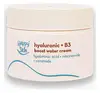
This barrier-repair moisturizer is formulated around Niacinamide and Sodium Hyaluronate to strengthen the skin barrier and hydrate skin.
This acne treatment is formulated around 4-Terpineol and Salicylic Acid to clear breakouts and refine the look of pores.


What's inside
What's inside
 Key Ingredients
Benefits
Concerns
Ingredients Side-by-side
Water
Skin ConditioningButylene Glycol
Humectant

Phenyl Trimethicone
Skin Conditioning
Diglycerin
Humectant
Diisostearyl Malate
EmollientCyclopentasiloxane
Emollient
Niacinamide
Smoothing










Trehalose
Humectant
Simmondsia Chinensis Seed Oil
Emollient


Sodium Hyaluronate
Humectant
Sodium Hyaluronate Crosspolymer
Humectant
Hydrolyzed Hyaluronic Acid
Humectant
Hyaluronic Acid
Humectant
Hydrolyzed Sodium Hyaluronate
Skin Conditioning
Ceramide NP
Skin Conditioning
Polyglyceryl-3 Methylglucose Distearate
Emulsifying
Polysorbate 20
Emulsifying
Arginine
Masking
Carbomer
Emulsion StabilisingDimethiconol
Emollient
Ammonium Acryloyldimethyltaurate/Vp Copolymer
Batyl Alcohol
EmollientStearic Acid
Cleansing
Laminaria Japonica Extract
Skin Protecting
Ecklonia Cava Extract
Skin Conditioning

Hizikia Fusiforme Extract
Skin Conditioning
Salicornia Herbacea Extract
Skin ConditioningHypnea Musciformis Extract
Skin Protecting
Sargassum Fulvellum Extract
Skin ConditioningUndaria Pinnatifida Extract
Skin ConditioningGelidium Cartilagineum Extract
Skin Protecting1,2-Hexanediol
Skin Conditioning
Adenosine
Skin Conditioning
Sea Water
HumectantCaprylyl Glycol
Emollient
Hydroxyacetophenone
Antioxidant
Pentylene Glycol
Skin Conditioning
Parfum
Masking


Caprylic/Capric Triglyceride
Masking
Disodium EDTA
Lecithin
Emollient
CI 42090
Cosmetic ColorantGeraniol
Perfuming
Butylphenyl Methylpropional
Perfuming
Linalool
Perfuming
T-Butyl Alcohol
Perfuming

Ethylhexylglycerin
Skin ConditioningWater, Butylene Glycol, Phenyl Trimethicone, Diglycerin, Diisostearyl Malate, Cyclopentasiloxane, Niacinamide, Trehalose, Simmondsia Chinensis Seed Oil, Sodium Hyaluronate, Sodium Hyaluronate Crosspolymer, Hydrolyzed Hyaluronic Acid, Hyaluronic Acid, Hydrolyzed Sodium Hyaluronate, Ceramide NP, Polyglyceryl-3 Methylglucose Distearate, Polysorbate 20, Arginine, Carbomer, Dimethiconol, Ammonium Acryloyldimethyltaurate/Vp Copolymer, Batyl Alcohol, Stearic Acid, Laminaria Japonica Extract, Ecklonia Cava Extract, Hizikia Fusiforme Extract, Salicornia Herbacea Extract, Hypnea Musciformis Extract, Sargassum Fulvellum Extract, Undaria Pinnatifida Extract, Gelidium Cartilagineum Extract, 1,2-Hexanediol, Adenosine, Sea Water, Caprylyl Glycol, Hydroxyacetophenone, Pentylene Glycol, Parfum, Caprylic/Capric Triglyceride, Disodium EDTA, Lecithin, CI 42090, Geraniol, Butylphenyl Methylpropional, Linalool, T-Butyl Alcohol, Ethylhexylglycerin
Water
Skin ConditioningPropylene Glycol
Humectant
Alcohol
Antimicrobial
Butylene Glycol
Humectant
Ethoxydiglycol
HumectantPolysorbate 20
Emulsifying
PEG-40 Hydrogenated Castor Oil
Emulsifying
Glycerin
Humectant
4-Terpineol
Masking
Panthenol
Skin Conditioning
Sodium Lactate
Buffering
Salicylic Acid
Masking

Ethylhexylglycerin
Skin ConditioningAloe Barbadensis Leaf Juice
Skin Conditioning
T-Butyl Alcohol
Perfuming
Arctium Majus Root Extract
Skin Conditioning
Salvia Officinalis Leaf Extract
CleansingNasturtium Officinale Extract
Perfuming
Citrus Limon Peel Extract
EmollientFucus Vesiculosus Extract
Emollient
Saponaria Officinalis Leaf/Root Extract
Skin ConditioningHedera Helix Leaf Extract
Skin ConditioningDenatonium Benzoate
Masking
Phenoxyethanol
Preservative
Chlorphenesin
Antimicrobial
Potassium Sorbate
Preservative
Sodium Benzoate
Masking
Water, Propylene Glycol, Alcohol, Butylene Glycol, Ethoxydiglycol, Polysorbate 20, PEG-40 Hydrogenated Castor Oil, Glycerin, 4-Terpineol, Panthenol, Sodium Lactate, Salicylic Acid, Ethylhexylglycerin, Aloe Barbadensis Leaf Juice, T-Butyl Alcohol, Arctium Majus Root Extract, Salvia Officinalis Leaf Extract, Nasturtium Officinale Extract, Citrus Limon Peel Extract, Fucus Vesiculosus Extract, Saponaria Officinalis Leaf/Root Extract, Hedera Helix Leaf Extract, Denatonium Benzoate, Phenoxyethanol, Chlorphenesin, Potassium Sorbate, Sodium Benzoate
Reviews
Ingredients Explained
These ingredients are found in both products.
Ingredients higher up in an ingredient list are typically present in a larger amount.
Butylene Glycol (or BG) is used within cosmetic products for a few different reasons:
Overall, Butylene Glycol is a safe and well-rounded ingredient that works well with other ingredients.
Though this ingredient works well with most skin types, some people with sensitive skin may experience a reaction such as allergic rashes, closed comedones, or itchiness.
Learn more about Butylene GlycolEthylhexylglycerin is created from glycerin. It is a multitasker ingredient that:
The CIR Expert Panel found minimal skin absorption or sensitization of any kind in a safety assessment. Though this ingredient is considered well-tolerated, a small number of cases of allergic dermatitis have been published since 2002. Just be sure to patch test if you are unsure.
Industry-reported use ranges from 8% in rinse-off products and 2% in leave-on formulations.
Learn more about EthylhexylglycerinPolysorbate 20 is a gentle, water-soluble emulsifier and mild surfactant. It stops oil and water from separating to keep your formulas blended and stable.
It also acts as a mild penetration enhancer by helping active ingredients absorb slightly better.
The common safety discussion around this ingredient involves a manufacturing byproduct called 1,4-dioxane.
Trace amounts can form during production but the EU's Scientific Committee on Consumer Safety has concluded that levels at/below 10 ppm in finished products are safe (commercial products consistently fall within acceptable margins).
True allergic reactions are uncommon and the CIR Expert Panel has confirmed this ingredient to be safe as used in cosmetics.
Because it is derived from lauric acid, it may not be fungal acne safe.
Learn more about Polysorbate 20T-Butyl Alcohol (aka tert-butanol) is a small, clear, camphor-smelling alcohol.
It has two main jobs:
On the safety side, it's well-studied and has a solid track record. Human repeat-insult patch testing showed no skin irritation or sensitization even at 100%.
Typical use levels are pretty tiny, usually less than 1%.
You might see some fear-mongering around this ingredient:
Studies in male rats showed kidney effects but that's because of a rat-specific protein that humans don't make. So this study isn't really relevant to humans.
Though it's not a typical fragrance like parfum, it does have a natural scent. That's why the official COSIng database lists it as 'perfuming' ingredient. It can be used to modify the scent of a formula.
Learn more about T-Butyl AlcoholWater. It's the most common cosmetic ingredient of all. You'll usually see it at the top of ingredient lists, meaning that it makes up the largest part of the product.
So why is it so popular? Water most often acts as a solvent - this means that it helps dissolve other ingredients into the formulation.
You'll also recognize water as that liquid we all need to stay alive. If you see this, drink a glass of water. Remember to stay hydrated!
Learn more about Water

