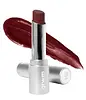
This barrier-repair lip moisturizer is formulated around Butyrospermum Parkii Butter and Tocopheryl Acetate to strengthen the lip barrier and hydrate lips.


What's inside
What's inside
 Key Ingredients
Benefits
Concerns
Ingredients Side-by-side
Polyglyceryl-2 Triisostearate
Emulsifying

Diisostearyl Malate
EmollientDimer Dilinoleyl Dimer Dilinoleate
EmollientPolyethylene
Abrasive

Polyisobutene
Phytosteryl Oleate
Skin ConditioningEthylhexyl Palmitate
Emollient

Microcrystalline Wax
Emulsion StabilisingParaffinum Liquidum
Emollient

Silica Dimethyl Silylate
EmollientPhenoxyethanol
Preservative
Vanillin
Masking
Butyrospermum Parkii Butter
Skin Conditioning

Tocopheryl Acetate
Antioxidant


BHT
Antioxidant
CI 77891
Cosmetic ColorantCI 77491
Cosmetic ColorantCI 77492
Cosmetic ColorantCI 77499
Cosmetic ColorantCI 15850
Cosmetic ColorantCI 16035
Cosmetic ColorantCI 15985
Cosmetic ColorantCI 42090
Cosmetic ColorantCI 45380
Cosmetic ColorantCI 45410
Cosmetic ColorantPolyglyceryl-2 Triisostearate, Diisostearyl Malate, Dimer Dilinoleyl Dimer Dilinoleate, Polyethylene, Polyisobutene, Phytosteryl Oleate, Ethylhexyl Palmitate, Microcrystalline Wax, Paraffinum Liquidum, Silica Dimethyl Silylate, Phenoxyethanol, Vanillin, Butyrospermum Parkii Butter, Tocopheryl Acetate, BHT, CI 77891, CI 77491, CI 77492, CI 77499, CI 15850, CI 16035, CI 15985, CI 42090, CI 45380, CI 45410
Water
Skin ConditioningOctyldodecanol
Emollient
Alcohol Denat.
Antimicrobial

Polysorbate 60
Emulsifying
Trimethylsiloxyphenyl Dimethicone

Ethylcellulose
Behenyl Alcohol
Emollient
Pentylene Glycol
Skin Conditioning
Phytosteryl Isostearyl Dimer Dilinoleate
EmollientAcrylates Copolymer
Sodium Acrylate/Sodium Acryloyldimethyl Taurate Copolymer
Emulsion StabilisingSorbitan Stearate
Emulsifying
Silica
Abrasive

Isohexadecane
EmollientPhenoxyethanol
Preservative
Polyglyceryl-2 Triisostearate
Emulsifying
Diisostearyl Malate
EmollientGlyceryl Stearate
Emollient
PEG-100 Stearate
Surfactant
CI 77491
Cosmetic ColorantPolysorbate 80
Emulsifying
CI 17200
Cosmetic ColorantCI 15850
Cosmetic ColorantCI 77891
Cosmetic ColorantCI 77499
Cosmetic ColorantCI 15985
Cosmetic ColorantPolyglyceryl-2 Diisostearate
Emulsifying
Sorbitan Oleate
Emulsifying
Parfum
Masking

Trisodium Ethylenediamine Disuccinate
ChelatingAroma
CI 77492
Cosmetic ColorantEthylhexylglycerin
Skin ConditioningBenzyl Alcohol
Perfuming
CI 42090
Cosmetic ColorantLinalool
Perfuming
Raspberry Seed Oil/Tocopheryl Succinate Aminopropanediol Esters
Skin Conditioning
Prunus Domestica Seed Extract
EmollientMangifera Indica Seed Butter
Skin Conditioning
Butylene Glycol
Humectant
1,2-Hexanediol
Skin Conditioning
Dimethylsilanol Hyaluronate
Humectant
Hydrolyzed Hyaluronic Acid
Humectant

Hydrolyzed Sodium Hyaluronate
Skin Conditioning
Sodium Hyaluronate
Humectant
Hyaluronic Acid
Humectant
Potassium Hyaluronate
Skin ConditioningSodium Hyaluronate Crosspolymer
Humectant
Hydroxypropyltrimonium Hyaluronate
Sodium Hyaluronate Dimethylsilanol
HumectantSodium Acetylated Hyaluronate
Humectant
Water, Octyldodecanol, Alcohol Denat., Polysorbate 60, Trimethylsiloxyphenyl Dimethicone, Ethylcellulose, Behenyl Alcohol, Pentylene Glycol, Phytosteryl Isostearyl Dimer Dilinoleate, Acrylates Copolymer, Sodium Acrylate/Sodium Acryloyldimethyl Taurate Copolymer, Sorbitan Stearate, Silica, Isohexadecane, Phenoxyethanol, Polyglyceryl-2 Triisostearate, Diisostearyl Malate, Glyceryl Stearate, PEG-100 Stearate, CI 77491, Polysorbate 80, CI 17200, CI 15850, CI 77891, CI 77499, CI 15985, Polyglyceryl-2 Diisostearate, Sorbitan Oleate, Parfum, Trisodium Ethylenediamine Disuccinate, Aroma, CI 77492, Ethylhexylglycerin, Benzyl Alcohol, CI 42090, Linalool, Raspberry Seed Oil/Tocopheryl Succinate Aminopropanediol Esters, Prunus Domestica Seed Extract, Mangifera Indica Seed Butter, Butylene Glycol, 1,2-Hexanediol, Dimethylsilanol Hyaluronate, Hydrolyzed Hyaluronic Acid, Hydrolyzed Sodium Hyaluronate, Sodium Hyaluronate, Hyaluronic Acid, Potassium Hyaluronate, Sodium Hyaluronate Crosspolymer, Hydroxypropyltrimonium Hyaluronate, Sodium Hyaluronate Dimethylsilanol, Sodium Acetylated Hyaluronate
Reviews
Ingredients Explained
These ingredients are found in both products.
Ingredients higher up in an ingredient list are typically present in a larger amount.
Ci 15850 is the pigment color red. It is an azo dye and created synthetically.
Azo dyes need to be thoroughly purified before use. This allows them to be more stable and longer-lasting.
This ingredient is common in foundations, lipsticks, and blushes. This color is described as brown/orangey red.
It has many secondary names such as Red 6 and Red 7. According to a manufacturer, Red 6 usually contains aluminum.
Learn more about CI 15850Ci 15985 is a dye made from petroleum. It is synthetically created and approved by the FDA for use in foods and cosmetics.
The color of this dye is orange/yellow.
This ingredient can be found in makeup, sun care, and skincare.
Learn more about CI 15985Ci 42090 is a synthetic dye created from petroleum. It is used to give a bright blue color to cosmetics, medicine, and food.
Ci 77491 is also hydrated iron III oxide. It's sole purpose is to give a red/pink hue to products.
Iron III oxides are classified as inorganic chemicals for coloring.
Synthetically created Ci 77491 is considered safer than those naturally found. This is because the synthetically created version may contain less impurities. Iron oxides are generally non-toxic and non-allergenic.
Learn more about CI 77491CI 77492 is also hydrated iron III oxide. It's sole purpose is to give a yellow hue to products.
Iron III oxides are classified as inorganic chemicals for coloring.
Synthetically created CI 77492 is considered safer than those naturally found. This is because the synthetically created version may contain less impurities. Iron oxides are generally non-toxic and non-allergenic.
Learn more about CI 77492Ci 77499 is also hydrated iron III oxide. It is created from mixing red and black iron oxides. This helps give shades of darkness to a product.
Iron III oxides are classified as inorganic chemicals for coloring.
Ci 77891 is a white pigment from Titanium dioxide. It is naturally found in minerals such as rutile and ilmenite.
It's main function is to add a white color to cosmetics. It can also be mixed with other colors to create different shades.
Ci 77891 is commonly found in sunscreens due to its ability to block UV rays.
Learn more about CI 77891Diisostearyl Malate is an emollient and most often used in lip products. It comes from isostearyl alcohol, a fatty acid, and malic acid, an AHA.
As an emollient, Diisostearyl Malate helps create a thin film on your skin to trap moisture in. This helps keep your skin soft and smooth.
Phenoxyethanol is one of the most widely used preservatives in skincare (and for good reason!).
It has a large spectrum of antimicrobial activity and especially effective bacteria, yeast, and mold while only having a weak effect on your skin's natural microbiome.
On a cellular level, it disrupts the cell membranes of microbes by poking holes that make the cell leak. This shuts down the chemical reactions the microbe needs to make energy so it can no longer survive.
Another perk of this ingredient is that it stays functional across a wide pH range (3-10).
You'll often see it paired with boosters like Ethylhexylglycerin; one study showed that a 1:9 ratio of Ethylhexylglycerin to Phenoxyethanol damages bacterial membranes as effectively as doubling the Phenoxyethanol concentration on its own.
Typical use concentrations range from 0.3-1% depending on the formula, and this ingredient is capped at 1% int the EU.
Safety-wise, the fear mongering does not hold up to the evidence. The EU's Scientific Committee on Consumer Safety and FDA consider it safe as a preservative at up to 1%, including for children of all ages.
Adverse systemic effects only showed up in animal studies at exposures roughly 200x higher than what people get from cosmetics. And despite its very widespread use, this ingredient is a rare sensitizer and allergic reactions are uncommon.
Learn more about PhenoxyethanolPolyglyceryl-2 Triisostearate is a plant-derived emulsifier and pigment-dispersing agent with a non-sticky skin feel.
It helps products glide on smoothly and prevents oil and water from separating in a formula, making it suitable for sunscreen and makeup formulations.
The EU inventory of cosmetics has no use restrictions on this ingredient and it is considered well-tolerated.
This ingredient may not be fungal acne safe because it is derived from isostearic acid.
Learn more about Polyglyceryl-2 Triisostearate

