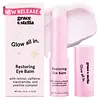
This barrier-repair eye moisturizer is formulated around Squalane and Caffeine to strengthen the skin barrier and hydrate skin.
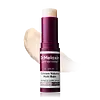
This anti-aging moisturizer is formulated around Simmondsia Chinensis Seed Oil and Glycyrrhiza Glabra Root Extract to soften the look of wrinkles and hydrate skin.


What's inside
What's inside
 Key Ingredients
Benefits
Concerns
Ingredients Side-by-side
Water
Skin ConditioningGlycerin
Humectant


Propylene Glycol
Humectant

Rosa Rugosa Flower Water
Masking
Isopropyl Myristate
Emollient



Squalane
Emollient
Caffeine
Skin Conditioning
Niacinamide
Smoothing







Cetyl Alcohol
Emollient

Cetyl Ethylhexanoate
EmollientSynthetic Beeswax
Emulsion Stabilising
Caprylic/Capric Triglyceride
Masking
Dimethicone
Emollient
Butylene Glycol
Humectant
Hydrogenated Lecithin
Emulsifying
Sodium Lauroyl Lactylate
EmulsifyingTocopherol
Antioxidant

Butyrospermum Parkii Butter
Skin Conditioning
1,2-Hexanediol
Skin Conditioning
Triethyl Citrate
Masking
Carbomer
Emulsion StabilisingPolysorbate 20
Emulsifying
Polyacrylate Crosspolymer-6
Emulsion StabilisingCeramide NP
Skin Conditioning
Retinol
Skin Conditioning
Rosa Rugosa Flower Oil
Masking

Sodium Lactate
Buffering
Panthenol
Skin Conditioning
Xanthan Gum
EmulsifyingEthylhexylglycerin
Skin ConditioningPalmitoyl Tripeptide-1
Skin Conditioning
Palmitoyl Tetrapeptide-7
Skin Conditioning
Sodium Hyaluronate
Humectant
Ergothioneine
Antioxidant
Hydroxypropyl Tetrahydropyrantriol
Skin ConditioningBisabolol
Antioxidant
Crocus Sativus Flower Extract
MaskingWater, Glycerin, Propylene Glycol, Rosa Rugosa Flower Water, Isopropyl Myristate, Squalane, Caffeine, Niacinamide, Cetyl Alcohol, Cetyl Ethylhexanoate, Synthetic Beeswax, Caprylic/Capric Triglyceride, Dimethicone, Butylene Glycol, Hydrogenated Lecithin, Sodium Lauroyl Lactylate, Tocopherol, Butyrospermum Parkii Butter, 1,2-Hexanediol, Triethyl Citrate, Carbomer, Polysorbate 20, Polyacrylate Crosspolymer-6, Ceramide NP, Retinol, Rosa Rugosa Flower Oil, Sodium Lactate, Panthenol, Xanthan Gum, Ethylhexylglycerin, Palmitoyl Tripeptide-1, Palmitoyl Tetrapeptide-7, Sodium Hyaluronate, Ergothioneine, Hydroxypropyl Tetrahydropyrantriol, Bisabolol, Crocus Sativus Flower Extract
Caprylic/Capric Triglyceride
Masking
Polyglyceryl-2 Triisostearate
Emulsifying
Polyethylene
Abrasive
Microcrystalline Wax
Emulsion StabilisingOctyldodecanol
Emollient
Triethylhexanoin
Masking1,2-Hexanediol
Skin Conditioning
Caprylyl Glycol
Emollient
Limnanthes Alba Seed Oil
Skin Conditioning
Macadamia Ternifolia Seed Oil
Emollient
Olea Europaea Fruit Oil
Masking
Persea Gratissima Oil
Skin Conditioning
Simmondsia Chinensis Seed Oil
Emollient
Eclipta Prostrata Extract
Skin Conditioning
Eclipta Prostrata Leaf Extract
Skin ConditioningGlycyrrhiza Glabra Root Extract
Bleaching
Adenosine
Skin Conditioning
Moringa Oleifera Seed Oil
Emollient
Water
Skin ConditioningButylene Glycol
Humectant
Glycerin
Humectant
Prunus Amygdalus Dulcis Fruit Extract
Skin ConditioningTremella Fuciformis Extract
Humectant
Tabebuia Impetiginosa Bark Extract
Skin ConditioningHydrolyzed Elastin
EmollientHydrogenated Lecithin
Emulsifying
Glucose
Humectant
Arginine
Masking
Hydroxypropyl Methylcellulose
Emulsion StabilisingCitric Acid
Buffering
CI 77220
Cosmetic ColorantAscorbic Acid
Antioxidant
Acetyl Glucosamine
Skin Conditioning
Glutathione
Collagen Extract
Skin Conditioning
Caprylic/Capric Triglyceride, Polyglyceryl-2 Triisostearate, Polyethylene, Microcrystalline Wax, Octyldodecanol, Triethylhexanoin, 1,2-Hexanediol, Caprylyl Glycol, Limnanthes Alba Seed Oil, Macadamia Ternifolia Seed Oil, Olea Europaea Fruit Oil, Persea Gratissima Oil, Simmondsia Chinensis Seed Oil, Eclipta Prostrata Extract, Eclipta Prostrata Leaf Extract, Glycyrrhiza Glabra Root Extract, Adenosine, Moringa Oleifera Seed Oil, Water, Butylene Glycol, Glycerin, Prunus Amygdalus Dulcis Fruit Extract, Tremella Fuciformis Extract, Tabebuia Impetiginosa Bark Extract, Hydrolyzed Elastin, Hydrogenated Lecithin, Glucose, Arginine, Hydroxypropyl Methylcellulose, Citric Acid, CI 77220, Ascorbic Acid, Acetyl Glucosamine, Glutathione, Collagen Extract
Reviews
Ingredients Explained
These ingredients are found in both products.
Ingredients higher up in an ingredient list are typically present in a larger amount.
1,2-Hexanediol is a synthetic liquid and another multi-functional powerhouse.
It is a:
- Humectant, drawing moisture into the skin
- Emollient, helping to soften skin
- Solvent, dispersing and stabilizing formulas
- Preservative booster, enhancing the antimicrobial activity of other preservatives
Butylene Glycol (or BG) is used within cosmetic products for a few different reasons:
Overall, Butylene Glycol is a safe and well-rounded ingredient that works well with other ingredients.
Though this ingredient works well with most skin types, some people with sensitive skin may experience a reaction such as allergic rashes, closed comedones, or itchiness.
Learn more about Butylene GlycolCaprylic/Capric Triglyceride (aka MCT Oil) is a lightweight emollient, solvent, and texture enhancer. It is considered a skin-softener by helping to prevent moisture loss.
Though it behaves like an oil, it is not technically one due to its chemical composition. One perk of this ingredient is that it is very stable, resistant to oxidation, and unlikely to go rancid.
In practice, that translates to a long shelf life and a consistently elegant skin feel.
While there is an assumption Caprylic Triglyceride can clog pores due to it being derived from coconut oil, there is no research supporting this. Just patch test if you have concerns.
Fractionated coconut oil and MCT Oil are both listed as Caprylic/Capric Triglyceride according to INCI. This is because INCI names are based on the ingredient’s final chemical composition and not its marketing name or source.
This ingredient is treated as the gold standard fungal acne safe oil. Even though it is coconut derived, the problematic lauric acid is stripped out.
This leaves just caprylic (C8) and capric (C10) acid. These chain lengths actually trend antifungal; a 2020 study found caprylic acid was enough to disrupt Malassezia furfur cell membrane, with a caprylic acid derivative damaging membrane structures at concentrations as low as 0.2%.
Learn more about Caprylic/Capric TriglycerideGlycerin (or glycerol) is a compound naturally found in your skin. It's a powerhouse humectant that pulls water into the stratum corneum.
Topically, glycerin does several things at once:
Your skin makes glycerin on its own (mostly from sebaceous oil breakdown) and shuttles it to your outermost layer of skin, or your epidermis, via aquaporin-3.
Aquaporin-3 is a transporter that is essential for normal skin hydration, elasticity, and repair. Interestingly, mice lacking in AQP3 have dry and less elastic skin that can be fully corrected with glycerin.
This ingredient is non-irritating, plays well with almost every ingredient, and works across all skin types. Typical use is anywhere between 3-10% but can go up to 79% in some leave-on products.
Just know very high concentrations (>40%) can feel tacky in low humidity.
Glycerin is the name for this ingredient in American English. British English uses Glycerol/Glycerine.
Learn more about GlycerinHydrogenated Lecithin is a more stable version of lecithin.
It's made by taking lecithin (a phospholipid commonly found in soybeans and egg yolks) and hydrogenating it. This just means the unsaturated fatty acids are turned into saturated ones so they don't go bad as easily.
This ingredient is an emollient, emulsifier, and penetration enhancer. As an emollient, it helps soften and hydrate skin by trapping moisture within. As an emulsifier, it prevents oil and water ingredients from separating.
Hydrogenated Lecithin can form tiny spherical structures made of phospholipid bilayers called liposomes. These liposomes are able to capture compounds inside their structure and deliver them through the skin barrier.
Because phospholipids are a natural component of our cell membranes, this ingredient is inherently compatible with skin.
A 2021 study found lecithin-based surfactants were less harsh and more tolerable comared to Sodium Lauryl Sulfate (SLS).
Learn more about Hydrogenated LecithinWater. It's the most common cosmetic ingredient of all. You'll usually see it at the top of ingredient lists, meaning that it makes up the largest part of the product.
So why is it so popular? Water most often acts as a solvent - this means that it helps dissolve other ingredients into the formulation.
You'll also recognize water as that liquid we all need to stay alive. If you see this, drink a glass of water. Remember to stay hydrated!
Learn more about Water