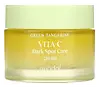
This brightening moisturizer is formulated around Niacinamide and Sodium Ascorbyl Phosphate to fade the look of dark spots and brighten dull-looking skin.
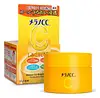
This brightening moisturizer is formulated around Ascorbyl Glucoside and Dipotassium Glycyrrhizate to brighten dull-looking skin and fade the look of dark spots.


What's inside
What's inside
 Key Ingredients
Benefits
Concerns
Ingredients Side-by-side
Citrus Tangerina Extract
TonicDipropylene Glycol
HumectantGlycerin
Humectant


Niacinamide
Smoothing









Butylene Glycol
Humectant
1,2-Hexanediol
Skin Conditioning
Water
Skin ConditioningLimnanthes Alba Seed Oil
Skin Conditioning


Pentylene Glycol
Skin Conditioning
Chondrus Crispus Extract
Skin Conditioning
Chlorella Vulgaris Extract
Skin ConditioningSaccharum Officinarum Extract
MoisturisingCitrus Aurantium Bergamia Fruit Oil
Masking


Melia Azadirachta Flower Extract
Skin ConditioningAcacia Senegal Gum
MaskingOcimum Sanctum Leaf Extract
Skin ConditioningMelia Azadirachta Leaf Extract
Skin ConditioningLavandula Angustifolia Oil
Masking
Curcuma Longa Root Extract
Antioxidant
Corallina Officinalis Extract
Skin Conditioning
Citrus Limon Peel Oil
Masking

Cananga Odorata Flower Oil
Masking
Citrus Aurantium Dulcis Peel Oil
Masking
Eucalyptus Globulus Leaf Extract
Perfuming
Cynanchum Atratum Extract
Skin ConditioningTheobroma Cacao Seed Extract
Antioxidant
Althaea Rosea Flower Extract
Skin ConditioningCamellia Sinensis Leaf Extract
Antimicrobial
Vinyldimethicone

Ammonium Acryloyldimethyltaurate/Vp Copolymer
Panthenol
Skin Conditioning
Trehalose
Humectant
Caprylic/Capric Triglyceride
Masking
Acrylates/C10-30 Alkyl Acrylate Crosspolymer
Emulsion StabilisingHydroxyacetophenone
Antioxidant
Tromethamine
BufferingDiisostearyl Malate
EmollientGlucose
Humectant
Fructooligosaccharides
Humectant
Fructose
Humectant
Dimethicone/Vinyl Dimethicone Crosspolymer
Skin Conditioning
Tocopheryl Acetate
Antioxidant
Adenosine
Skin Conditioning
Ethylhexylglycerin
Skin ConditioningSodium Phytate
Agar
MaskingSilica
Abrasive
Dextrin
AbsorbentXanthophylls
Skin ConditioningSodium Ascorbyl Phosphate
Antioxidant
Limonene
Perfuming
Linalool
Perfuming
Citrus Tangerina Extract, Dipropylene Glycol, Glycerin, Niacinamide, Butylene Glycol, 1,2-Hexanediol, Water, Limnanthes Alba Seed Oil, Pentylene Glycol, Chondrus Crispus Extract, Chlorella Vulgaris Extract, Saccharum Officinarum Extract, Citrus Aurantium Bergamia Fruit Oil, Melia Azadirachta Flower Extract, Acacia Senegal Gum, Ocimum Sanctum Leaf Extract, Melia Azadirachta Leaf Extract, Lavandula Angustifolia Oil, Curcuma Longa Root Extract, Corallina Officinalis Extract, Citrus Limon Peel Oil, Cananga Odorata Flower Oil, Citrus Aurantium Dulcis Peel Oil, Eucalyptus Globulus Leaf Extract, Cynanchum Atratum Extract, Theobroma Cacao Seed Extract, Althaea Rosea Flower Extract, Camellia Sinensis Leaf Extract, Vinyldimethicone, Ammonium Acryloyldimethyltaurate/Vp Copolymer, Panthenol, Trehalose, Caprylic/Capric Triglyceride, Acrylates/C10-30 Alkyl Acrylate Crosspolymer, Hydroxyacetophenone, Tromethamine, Diisostearyl Malate, Glucose, Fructooligosaccharides, Fructose, Dimethicone/Vinyl Dimethicone Crosspolymer, Tocopheryl Acetate, Adenosine, Ethylhexylglycerin, Sodium Phytate, Agar, Silica, Dextrin, Xanthophylls, Sodium Ascorbyl Phosphate, Limonene, Linalool
Ascorbyl Glucoside
Antioxidant
Tocopheryl Acetate
Antioxidant
Dipotassium Glycyrrhizate
Humectant
Ascorbic Acid
Antioxidant
Alpinia Katsumadai Seed Extract
Skin ConditioningCitrus Limon Fruit Extract
Masking
Cornus Officinalis Fruit Extract
Skin ConditioningPoly(2-Methacryloyloxyethyl Phosphorylcholine-Co-N-Butyl Methacrylate)
Butylene Glycol
Humectant
Pentylene Glycol
Skin Conditioning
Glycerin
Humectant
Biosaccharide Gum-4
Skin Conditioning
Pentaerythrityl Tetraethylhexanoate
Emollient
PPG-17 Butyl Ether
Skin ConditioningPotassium Hydroxide
BufferingCarbomer
Emulsion StabilisingDiethoxyethyl Succinate
SolventMethicone
Emollient
PPG-8-Ceteth-20
EmulsifyingPolyacrylamide
Phenoxyethanol
Preservative
Glyceryl Hydroxystearate
Emollient
C13-14 Isoparaffin
Emollient
PEG-20 Sorbitan Isostearate
Emulsifying
Methylparaben
Preservative

Behenyl Alcohol
Emollient
Cetearyl Alcohol
Emollient
PPG-7 Lauryl Ether
EmollientXanthan Gum
EmulsifyingC16-24 Alkyl C16-24 Acidate
Skin ConditioningAcrylates/C10-30 Alkyl Acrylate Crosspolymer
Emulsion StabilisingParfum
Masking
Ascorbyl Glucoside, Tocopheryl Acetate, Dipotassium Glycyrrhizate, Ascorbic Acid, Alpinia Katsumadai Seed Extract, Citrus Limon Fruit Extract, Cornus Officinalis Fruit Extract, Poly(2-Methacryloyloxyethyl Phosphorylcholine-Co-N-Butyl Methacrylate), Butylene Glycol, Pentylene Glycol, Glycerin, Biosaccharide Gum-4, Pentaerythrityl Tetraethylhexanoate, PPG-17 Butyl Ether, Potassium Hydroxide, Carbomer, Diethoxyethyl Succinate, Methicone, PPG-8-Ceteth-20, Polyacrylamide, Phenoxyethanol, Glyceryl Hydroxystearate, C13-14 Isoparaffin, PEG-20 Sorbitan Isostearate, Methylparaben, Behenyl Alcohol, Cetearyl Alcohol, PPG-7 Lauryl Ether, Xanthan Gum, C16-24 Alkyl C16-24 Acidate, Acrylates/C10-30 Alkyl Acrylate Crosspolymer, Parfum
Reviews
Ingredients Explained
These ingredients are found in both products.
Ingredients higher up in an ingredient list are typically present in a larger amount.
Acrylates/C10-30 Alkyl Acrylate Crosspolymer is a synthetic polymer. It is used to thicken, emulsify, and improve the texture of products.
As an emulsifier, it helps stabilize oil-in-water emulsions to give products an elegant feel when applied.
It can also form a thin protective film on skin. One study found that a formula using this polymer helped slow down how quickly other ingredients (like DEET) were absorbed through skin.
A 2024 study of over 1,300 patients confirmed that sensitization to this ingredient is rare. It is also non-mutagenic and has a clean track record.
Learn more about Acrylates/C10-30 Alkyl Acrylate CrosspolymerButylene Glycol (or BG) is used within cosmetic products for a few different reasons:
Overall, Butylene Glycol is a safe and well-rounded ingredient that works well with other ingredients.
Though this ingredient works well with most skin types, some people with sensitive skin may experience a reaction such as allergic rashes, closed comedones, or itchiness.
Learn more about Butylene GlycolGlycerin (or glycerol) is a compound naturally found in your skin. It's a powerhouse humectant that pulls water into the stratum corneum.
Topically, glycerin does several things at once:
Your skin makes glycerin on its own (mostly from sebaceous oil breakdown) and shuttles it to your outermost layer of skin, or your epidermis, via aquaporin-3.
Aquaporin-3 is a transporter that is essential for normal skin hydration, elasticity, and repair. Interestingly, mice lacking in AQP3 have dry and less elastic skin that can be fully corrected with glycerin.
This ingredient is non-irritating, plays well with almost every ingredient, and works across all skin types. Typical use is anywhere between 3-10% but can go up to 79% in some leave-on products.
Just know very high concentrations (>40%) can feel tacky in low humidity.
Glycerin is the name for this ingredient in American English. British English uses Glycerol/Glycerine.
Learn more about GlycerinPentylene Glycol (1,2-pentanediol) is a multitasking little diol with three main roles in a formula:
Research on alkanediols (the family pentylene glycol belongs to) show they work by disrupting microbial cell membranes. This disruption helps the primary preservative system in a product work more effectively at lower doses.
On the safety side, the Cosmetic Ingredient Review Expert Panel has concluded this ingredient to be safe as used in current cosmetic practices + concentrations.
Typical use levels in a formula run about 1-5%.
Learn more about Pentylene GlycolTocopheryl Acetate is a stable, shelf-friendly form of vitamin E.
Formulators love it because plain vitamin E oxidizes quickly once it hits air. This acetate version stays stable and resists going off, helping to extend a product's shelf life.
It's actually inactive on its own and works like a slow-release "storage" form; the enzymes in your skin called esterases gradually convert it into active vitamin E over time.
One in vivo study showed 5% of the acetate in the living layer of the epidermis converted to vitamin E after 5 days of application. This study also found the skin gained protection against UV damage even though the conversion was slow and small.
Once converted, vitamin E acts as a skin's main fat-soluble antioxidant that fights free radicals to protect skin from damage.
Topical vitamin E generally boosts the skin's photoprotection, and it reduced UV-damage in animal models.
This ingredient has some brightening potential but it's more of a prevention ingredient than spot-fader. Cell studies show it can slow down melanin production but it's worth noting that it's not the most powerful brightener out there.
Overall, it has a pretty solid safety profile and has been found to be non-irritating and non-comedogenic. Allergic reactions may happen but stay rare due to how widely the ingredient gets used.
The concentration will vary depending on the formula; industry data shows 0.1% in baby lotions, 3% in lipsticks, and 5% in foot powders. You can also find this ingredient at 100% in a pure vitamin E oil.
Most leave-on skincare keeps it at the lower end, often between 0.5-1%.
Learn more about Tocopheryl Acetate

