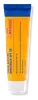
This hybrid sunscreen covers the full UV range and blocks ~97% of UVB at SPF 30.
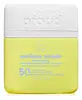
This chemical sunscreen covers most of the UV range, lighter on the deep UVA that drives aging.


What's inside
What's inside
 Key Ingredients
Benefits
Concerns
Ingredients Side-by-side
Water
Skin ConditioningZinc Oxide
Cosmetic Colorant


Coco-Caprylate
Emollient

Caprylic/Capric Triglyceride
Masking
Butyloctyl Salicylate
Skin Conditioning
Propanediol
Solvent
Vitis Vinifera Seed Oil
Emollient



Sodium Stearoyl Glutamate
CleansingCetearyl Alcohol
Emollient



Arachidyl Alcohol
Emollient
Tocopherol
Antioxidant




Caprylyl Glycol
Emollient
Coco-Glucoside
Cleansing
Astrocaryum Tucuma Seed Butter
Emollient
Ethyl Ferulate
Antioxidant
Behenyl Alcohol
Emollient
Cetyl Palmitate
Emollient
Sorbitan Palmitate
Emulsifying
Sorbitan Olivate
Emulsifying
Arachidyl Glucoside
EmulsifyingSodium Gluconate
ChelatingCitric Acid
Buffering
Bisabolol
Antioxidant

Acacia Senegal Gum
MaskingCaprylhydroxamic Acid
ChelatingGlycerin
Humectant
Xanthan Gum
EmulsifyingAcetyl Glucosamine
Skin Conditioning
Sodium Hyaluronate
Humectant
Polyhydroxystearic Acid
Emulsifying
Tetrahexyldecyl Ascorbate
Antioxidant


Aloe Barbadensis Leaf Juice
Skin Conditioning
Water, Zinc Oxide, Coco-Caprylate, Caprylic/Capric Triglyceride, Butyloctyl Salicylate, Propanediol, Vitis Vinifera Seed Oil, Sodium Stearoyl Glutamate, Cetearyl Alcohol, Arachidyl Alcohol, Tocopherol, Caprylyl Glycol, Coco-Glucoside, Astrocaryum Tucuma Seed Butter, Ethyl Ferulate, Behenyl Alcohol, Cetyl Palmitate, Sorbitan Palmitate, Sorbitan Olivate, Arachidyl Glucoside, Sodium Gluconate, Citric Acid, Bisabolol, Acacia Senegal Gum, Caprylhydroxamic Acid, Glycerin, Xanthan Gum, Acetyl Glucosamine, Sodium Hyaluronate, Polyhydroxystearic Acid, Tetrahexyldecyl Ascorbate, Aloe Barbadensis Leaf Juice
Butyl Methoxydibenzoylmethane 3%
UV Absorber
Homosalate 15%
Skin Conditioning
Ethylhexyl Salicylate 5%
UV Absorber
Octocrylene 10%
UV Absorber
Water
Skin ConditioningCocoglycerides
Emollient
Silica
Abrasive
Cetyl Dimethicone
Emollient
PEG-15 Cocamine
EmulsifyingStearyl Behenate
Emollient
Glycerin
Humectant
C12-15 Alkyl Benzoate
AntimicrobialPEG-40 Stearate
Emulsifying
Polyhydroxystearic Acid
Emulsifying
Phenoxyethanol
Preservative
Tocopheryl Acetate
Antioxidant
Caprylyl Glycol
Emollient
Acrylates/C12-22 Alkyl Methacrylate Copolymer
Parfum
Masking

Disodium EDTA
ChelatingAcrylates/C10-30 Alkyl Acrylate Crosspolymer
Emulsion StabilisingCaprylhydroxamic Acid
ChelatingMalpighia Punicifolia Fruit Extract
Antioxidant
Spirulina Platensis Powder
Skin ProtectingAloe Barbadensis Leaf Juice
Skin Conditioning
Cetearyl Alcohol
Emollient
Sodium Hydroxide
BufferingCeramide NP
Skin Conditioning
Limonene
Perfuming
Hexyl Cinnamal
Perfuming
Linalool
Perfuming
Geraniol
Perfuming
Citral
Perfuming
Butyl Methoxydibenzoylmethane 3%, Homosalate 15%, Ethylhexyl Salicylate 5%, Octocrylene 10%, Water, Cocoglycerides, Silica, Cetyl Dimethicone, PEG-15 Cocamine, Stearyl Behenate, Glycerin, C12-15 Alkyl Benzoate, PEG-40 Stearate, Polyhydroxystearic Acid, Phenoxyethanol, Tocopheryl Acetate, Caprylyl Glycol, Acrylates/C12-22 Alkyl Methacrylate Copolymer, Parfum, Disodium EDTA, Acrylates/C10-30 Alkyl Acrylate Crosspolymer, Caprylhydroxamic Acid, Malpighia Punicifolia Fruit Extract, Spirulina Platensis Powder, Aloe Barbadensis Leaf Juice, Cetearyl Alcohol, Sodium Hydroxide, Ceramide NP, Limonene, Hexyl Cinnamal, Linalool, Geraniol, Citral
Reviews
Ingredients Explained
These ingredients are found in both products.
Ingredients higher up in an ingredient list are typically present in a larger amount.
Aloe Barbadensis Leaf Juice is the filtered, stabilized liquid pressed from the inner gel of the aloe vera leaf.
In cosmetics, it shows up as either soothing active or a water-replacement base. It is roughly 98-99% water and the last 1-2% is an interesting mix of polysaccharides, amino acids, vitamins, minerals, and enzymes.
The polysaccharides do most of the work: they bind water at the skin surface for a light, non-greasy hydration boost. And one of the polysaccharides, glycomannan, is linked to fibroblast stimulation + collagen synthesis. This is also why aloe has such a long track record in wound and burn healing.
This ingredient is also calming with anti-inflammatory and mild antimicrobial activity, making it a great pick for sensitive, irritated, or post-sun skin.
Realistic expectations matter though; the solid evidence is mostly limited to hydration, soothing, and wound support. Deeper claims about anti-aging or sun protection are not well backed, and science reviews note it does not prevent radiation-induced skin injury.
Because it plays well with almost everything, it's commonly used as a base alongside other actives like niacinamide or vitamin C.
Typical usage concentrations range from 0.5% (where hydration benefits already show up) all the way to 90%+ (where it replaces water as the main base).
The safety for this ingredient is well-establish as well. Overall, this is a great supporting ingredient for those who want a boost in hydration.
Learn more about Aloe Barbadensis Leaf JuiceCaprylhydroxamic Acid is a chelating agent that helps cosmetics stay fresh, stable, and consistent over time.
Chelating agents help prevent metal ions from binding to other ingredients. This helps prevent unwanted reactions and effects from using the product. It also helps prevent the growth of unwanted microbes in products that contain water.
Caprylhydroxamic Acid is often used with natural antimicrobial products as an alternative to preservatives.
Learn more about Caprylhydroxamic AcidCaprylyl Glycol is a humectant, skin conditioner, emollient, and preservative booster derived from either caprylic acid or synthetically created.
Typical use levels vary from 0.3-1% as a preservative booster and go up to 2% to condition skin.
Because it is not a free-fatty acid, this ingredient is fungal acne safe (there's nothing for Malassezia to feed on).
Learn more about Caprylyl GlycolCetearyl alcohol is a waxy mixture of two fatty alcohols: cetyl alcohol and stearyl alcohol. It is an emollient and emulsifier.
Despite having "alcohol" in its name, it has nothing to do with drying solvent alcohols; the FDA also allows "alcohol-free" products to contain fatty alcohols like this ingredient.
It plays several roles in a formula:
Typical use levels for this ingredient sit around 1-10% and the Cosmetic Ingredient Review Expert Panel has affirmed safety at concentrations up to 25% in leave-on products.
Multiple assessments have found it to be non-irritating and non-sensitizing to most people.
However, there have been some cases of allergic contact dermatitis in patients with chronically compromised skin barriers.
Cetearyl alcohol has a comedogenic rating of 2 and irritancy rating of 1. Both of these numbers come from the 1989 study that used rabbit ears; a "2" means mildly comedogenic and a "1" means low irritancy.
Here's the catch: rabbit skin is more sensitive than human skin and throws a lot of false positives. A 1996 reappraisal found that ingredients rated 1-2 in the rabbit ear tests are generally safe for humans.
Remember comedogenic ratings are unable to assess the entire formula of a product or how it will react on your skin. Just be sure to patch test if you are unsure about certain ingredients.
This ingredient is not fungal acne safe. Cetearyl alcohol is a fatty alcohol with chain lengths that fall within the range that Malassezia can metabolize.
A 2019 study has also observed Malassezia growth in the presence of this ingredient, confirming it to be not-fungal acne safe.
Learn more about Cetearyl AlcoholGlycerin (or glycerol) is a compound naturally found in your skin. It's a powerhouse humectant that pulls water into the stratum corneum.
Topically, glycerin does several things at once:
Your skin makes glycerin on its own (mostly from sebaceous oil breakdown) and shuttles it to your outermost layer of skin, or your epidermis, via aquaporin-3.
Aquaporin-3 is a transporter that is essential for normal skin hydration, elasticity, and repair. Interestingly, mice lacking in AQP3 have dry and less elastic skin that can be fully corrected with glycerin.
This ingredient is non-irritating, plays well with almost every ingredient, and works across all skin types. Typical use is anywhere between 3-10% but can go up to 79% in some leave-on products.
Just know very high concentrations (>40%) can feel tacky in low humidity.
Glycerin is the name for this ingredient in American English. British English uses Glycerol/Glycerine.
Learn more about GlycerinPolyhydroxystearic Acid is a vegetable-derived soft wax made from castor oil. It's an emulsion stabilizer, thickener, and film former.
You'll likely see it in sunscreens because it helps disperse pigments and UV-reflecting minerals like titanium dioxide and zinc oxide evenly.
Depending on the concentration, it can drastically change the texture of a product from pasty solid (like lipstick) to sprayable liquid.
The CIR Expert Panel for Cosmetic Ingredient Safety has concluded this ingredient to be safe in cosmetics. The highest reported use concentration is 14.2% in lipsticks.
Learn more about Polyhydroxystearic AcidWater. It's the most common cosmetic ingredient of all. You'll usually see it at the top of ingredient lists, meaning that it makes up the largest part of the product.
So why is it so popular? Water most often acts as a solvent - this means that it helps dissolve other ingredients into the formulation.
You'll also recognize water as that liquid we all need to stay alive. If you see this, drink a glass of water. Remember to stay hydrated!
Learn more about Water

