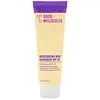
This mineral sunscreen covers the full UV range and blocks ~97% of UVB at SPF 30.
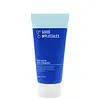
This barrier-repair moisturizer is formulated around Caprylic/Capric Triglyceride and Vitis Vinifera Seed Oil to strengthen the skin barrier and hydrate skin.

What's inside
What's inside
 Key Ingredients
Benefits
Concerns
Ingredients Side-by-side
Water
Skin ConditioningZinc Oxide
Cosmetic Colorant


Caprylic/Capric Triglyceride
Masking


Heptyl Undecylenate
EmollientPropanediol
Solvent
C18-21 Alkane
SolventCetyl Alcohol
Emollient


Ethylhexyl Methoxycrylene
Skin Conditioning
Cetearyl Alcohol
Emollient


Glyceryl Stearate
Emollient
Sodium Lauroyl Glutamate
SurfactantAllantoin
Skin Conditioning


Stearic Acid
Cleansing
Polyester-8
Skin Conditioning
Caprylyl Glycol
Emollient
Vitis Vinifera Seed Oil
Emollient
Lauroyl Lysine
Skin Conditioning
Butyrospermum Parkii Butter
Skin Conditioning
Polyhydroxystearic Acid
Emulsifying
Acacia Senegal Gum
MaskingXanthan Gum
EmulsifyingBisabolol
Antioxidant
Tocopherol
Antioxidant



Pongamia Pinnata Seed Extract
Skin ConditioningSodium Gluconate
Skin ConditioningSodium Hyaluronate
Humectant
Phospholipids
Skin Conditioning
Linoleic Acid
Cleansing
Phytosterols
Skin Conditioning
Caprylhydroxamic Acid
Glycerin
Humectant
Water, Zinc Oxide, Caprylic/Capric Triglyceride, Heptyl Undecylenate, Propanediol, C18-21 Alkane, Cetyl Alcohol, Ethylhexyl Methoxycrylene, Cetearyl Alcohol, Glyceryl Stearate, Sodium Lauroyl Glutamate, Allantoin, Stearic Acid, Polyester-8, Caprylyl Glycol, Vitis Vinifera Seed Oil, Lauroyl Lysine, Butyrospermum Parkii Butter, Polyhydroxystearic Acid, Acacia Senegal Gum, Xanthan Gum, Bisabolol, Tocopherol, Pongamia Pinnata Seed Extract, Sodium Gluconate, Sodium Hyaluronate, Phospholipids, Linoleic Acid, Phytosterols, Caprylhydroxamic Acid, Glycerin
Water
Skin ConditioningCaprylic/Capric Triglyceride
Masking
Caprylic/Capric/Succinic Triglyceride
EmollientGlycerin
Humectant
Vitis Vinifera Seed Oil
Emollient
Cetearyl Alcohol
Emollient
Sucrose Cocoate
Emulsifying
Polycitronellol
Behenyl Alcohol
Emollient
Prunus Domestica Seed Extract
EmollientDimer Dilinoleyl Dimer Dilinoleate
EmollientC28-52 Olefin/Undecylenic Acid Copolymer
Propanediol
Solvent
Behenyl Behenate
EmollientTamarindus Indica Seed Gum
Emulsion Stabilising
Betulin
Skin ConditioningPotassium Cetyl Phosphate
EmulsifyingPentylene Glycol
Skin Conditioning
Caprylyl Glyceryl Ether
CleansingOryzanol
Skin ConditioningXanthan Gum
EmulsifyingPolyhydroxystearic Acid
Emulsifying
Euphorbia Cerifera Wax
Hydroxyacetophenone
Antioxidant
Phospholipids
Skin Conditioning
Caprylhydroxamic Acid
Trisodium Ethylenediamine Disuccinate
Citric Acid
Buffering
Ceramide NP
Skin Conditioning
Sodium Stearoyl Glutamate
CleansingPhytosterols
Skin Conditioning
Tocopherol
Antioxidant
Lecithin
Emollient
Ceramide AP
Skin Conditioning
Helianthus Annuus Seed Oil
Emollient
Sphingolipids
Emollient
Sodium Citrate
BufferingAscorbyl Palmitate
Antioxidant
Oleic Acid
Emollient
Glyceryl Caprylate
EmollientMyristic Acid
Cleansing
Palmitic Acid
Emollient
Caprylyl Glycol
Emollient
P-Anisic Acid
MaskingWater, Caprylic/Capric Triglyceride, Caprylic/Capric/Succinic Triglyceride, Glycerin, Vitis Vinifera Seed Oil, Cetearyl Alcohol, Sucrose Cocoate, Polycitronellol, Behenyl Alcohol, Prunus Domestica Seed Extract, Dimer Dilinoleyl Dimer Dilinoleate, C28-52 Olefin/Undecylenic Acid Copolymer, Propanediol, Behenyl Behenate, Tamarindus Indica Seed Gum, Betulin, Potassium Cetyl Phosphate, Pentylene Glycol, Caprylyl Glyceryl Ether, Oryzanol, Xanthan Gum, Polyhydroxystearic Acid, Euphorbia Cerifera Wax, Hydroxyacetophenone, Phospholipids, Caprylhydroxamic Acid, Trisodium Ethylenediamine Disuccinate, Citric Acid, Ceramide NP, Sodium Stearoyl Glutamate, Phytosterols, Tocopherol, Lecithin, Ceramide AP, Helianthus Annuus Seed Oil, Sphingolipids, Sodium Citrate, Ascorbyl Palmitate, Oleic Acid, Glyceryl Caprylate, Myristic Acid, Palmitic Acid, Caprylyl Glycol, P-Anisic Acid
Reviews
Ingredients Explained
These ingredients are found in both products.
Ingredients higher up in an ingredient list are typically present in a larger amount.
Caprylhydroxamic Acid is a chelating agent that helps cosmetics stay fresh, stable, and consistent over time.
Chelating agents help prevent metal ions from binding to other ingredients. This helps prevent unwanted reactions and effects from using the product. It also helps prevent the growth of unwanted microbes in products that contain water.
Caprylhydroxamic Acid is often used with natural antimicrobial products as an alternative to preservatives.
Learn more about Caprylhydroxamic AcidCaprylic/Capric Triglyceride (aka MCT Oil) is a lightweight emollient, solvent, and texture enhancer. It is considered a skin-softener by helping to prevent moisture loss.
Though it behaves like an oil, it is not technically one due to its chemical composition. One perk of this ingredient is that it is very stable, resistant to oxidation, and unlikely to go rancid.
In practice, that translates to a long shelf life and a consistently elegant skin feel.
While there is an assumption Caprylic Triglyceride can clog pores due to it being derived from coconut oil, there is no research supporting this. Just patch test if you have concerns.
Fractionated coconut oil and MCT Oil are both listed as Caprylic/Capric Triglyceride according to INCI. This is because INCI names are based on the ingredient’s final chemical composition and not its marketing name or source.
This ingredient is treated as the gold standard fungal acne safe oil. Even though it is coconut derived, the problematic lauric acid is stripped out.
This leaves just caprylic (C8) and capric (C10) acid. These chain lengths actually trend antifungal; a 2020 study found caprylic acid was enough to disrupt Malassezia furfur cell membrane, with a caprylic acid derivative damaging membrane structures at concentrations as low as 0.2%.
Learn more about Caprylic/Capric TriglycerideCaprylyl Glycol is a humectant, skin conditioner, emollient, and preservative booster derived from either caprylic acid or synthetically created.
Typical use levels vary from 0.3-1% as a preservative booster and go up to 2% to condition skin.
Because it is not a free-fatty acid, this ingredient is fungal acne safe (there's nothing for Malassezia to feed on).
Learn more about Caprylyl GlycolCetearyl alcohol is a waxy mixture of two fatty alcohols: cetyl alcohol and stearyl alcohol. It is an emollient and emulsifier.
Despite having "alcohol" in its name, it has nothing to do with drying solvent alcohols; the FDA also allows "alcohol-free" products to contain fatty alcohols like this ingredient.
It plays several roles in a formula:
Typical use levels for this ingredient sit around 1-10% and the Cosmetic Ingredient Review Expert Panel has affirmed safety at concentrations up to 25% in leave-on products.
Multiple assessments have found it to be non-irritating and non-sensitizing to most people.
However, there have been some cases of allergic contact dermatitis in patients with chronically compromised skin barriers.
Cetearyl alcohol has a comedogenic rating of 2 and irritancy rating of 1. Both of these numbers come from the 1989 study that used rabbit ears; a "2" means mildly comedogenic and a "1" means low irritancy.
Here's the catch: rabbit skin is more sensitive than human skin and throws a lot of false positives. A 1996 reappraisal found that ingredients rated 1-2 in the rabbit ear tests are generally safe for humans.
Remember comedogenic ratings are unable to assess the entire formula of a product or how it will react on your skin. Just be sure to patch test if you are unsure about certain ingredients.
This ingredient is not fungal acne safe. Cetearyl alcohol is a fatty alcohol with chain lengths that fall within the range that Malassezia can metabolize.
A 2019 study has also observed Malassezia growth in the presence of this ingredient, confirming it to be not-fungal acne safe.
Learn more about Cetearyl AlcoholGlycerin (or glycerol) is a compound naturally found in your skin. It's a powerhouse humectant that pulls water into the stratum corneum.
Topically, glycerin does several things at once:
Your skin makes glycerin on its own (mostly from sebaceous oil breakdown) and shuttles it to your outermost layer of skin, or your epidermis, via aquaporin-3.
Aquaporin-3 is a transporter that is essential for normal skin hydration, elasticity, and repair. Interestingly, mice lacking in AQP3 have dry and less elastic skin that can be fully corrected with glycerin.
This ingredient is non-irritating, plays well with almost every ingredient, and works across all skin types. Typical use is anywhere between 3-10% but can go up to 79% in some leave-on products.
Just know very high concentrations (>40%) can feel tacky in low humidity.
Glycerin is the name for this ingredient in American English. British English uses Glycerol/Glycerine.
Learn more about GlycerinPhospholipids are a family of skin-identical lipids that makeup the structural backbone of every cell membrane in your body.
In cosmetics, they function as skin conditioning agents with emulsifier and surfactant properties. They're typically sourced from soybean or sunflower lecithin (or sometimes egg yolk or marine sources).
Because they mirror the lipids naturally found in the deeper layers of your skin, topical phospholipids help reinforce the lipid matrix, reduce transepidermal water loss, and leave skin feeling conditioned.
They're also used to form liposomes, or tiny self-assembling vesible used to stabilize actives like vitamin c or retinol. This helps these ingredients integrate into the upper layers of skin more easily.
Phospholipids are compatible with everything and the CIR Expert Panel has concluded them to be safe at current use levels.
Some types of phospholipids include:
Learn more about PhospholipidsPhytosterols are plant-derived sterols (you can think of them as the plant world's version of cholesterol). In cosmetics, this ingredient is usually sourced from soybean, rice bran, shea, sunflower, and other seed oils.
The main actors in this group are β-sitosterol, campesterol, and stigmasterol (the CIR covers 27 phytosterols).
They work by fitting perfectly into your stratum corneum's lipid matrix since they're structurally similar to cholesterol. Here, they reinforce your skin's barrier.
One small in vivo human study showed topical soybean phytosterols sped up barrier recovery within three days on tape-stripped skin.
Broader research credits them with:
Formulation use typically sit under 5%.
Testing in soy-allergic subjects found no sensitization signals, but be sure to patch test if you are unsure or have existing allergies.
Learn more about PhytosterolsPolyhydroxystearic Acid is a vegetable-derived soft wax made from castor oil. It's an emulsion stabilizer, thickener, and film former.
You'll likely see it in sunscreens because it helps disperse pigments and UV-reflecting minerals like titanium dioxide and zinc oxide evenly.
Depending on the concentration, it can drastically change the texture of a product from pasty solid (like lipstick) to sprayable liquid.
The CIR Expert Panel for Cosmetic Ingredient Safety has concluded this ingredient to be safe in cosmetics. The highest reported use concentration is 14.2% in lipsticks.
Learn more about Polyhydroxystearic AcidPropanediol is an all-star ingredient. It softens, hydrates, and smooths the skin.
It’s often used to:
Propanediol is not likely to cause sensitivity and considered safe to use. It is derived from corn or petroleum with a clear color and no scent.
Learn more about PropanediolTocopherol is a fat-soluble antioxidant known as Vitamin E.
You'll find this ingredient in the vast majority of skincare (for good reason). It works to neutralize free radicals, or unstable molecules generated by UV exposure, pollution, and other environmental stressors, before they can cause oxidative damage to your skin cells.
Topically applied tocopherol has been shown to protect against UV damage by ramping up the skin's own natural defense enzymes.
It also acts as a skin conditioning agent; some studies show that regular topical use can improve the skin's water-binding capacity over 2-4 weeks.
This ingredient is especially loved for being a team player. When combined with Vitamin C, the photoprotective effect of both ingredients roughly doubles and the combo also helps reduce UV-induced DNA damage.
This ingredient has some brightening potential but it's more of a prevention ingredient than spot-fader. Cell studies show it can slow down melanin production but it's worth noting that it's not the most powerful brightener out there.
In formulations, it also serves as a stabilizer that helps protect other oxidation-prone ingredients from degrading.
Concentrations usually range from 0.1-1% in most leave-on products.
Learn more about TocopherolVitis Vinifera Seed Oil comes from the grape vine. Grape seeds are a byproduct of creating grape juice or wine.
The components of grape seeds have many skin benefits. Research has found it to be antimicrobial and anti-inflammatory. It also contains many potent antioxidants such as Vitamin E , Vitamin C, proanthocyanidins, polyphenols, flavonoids, and anthocyanins. Proanthocyanidin has been shown to help even out skin tone.
Antioxidants help fight free-radical molecules. Free-radical molecules are capable of damaging our cells and other genetic material. Antioxidants help stabilize free-radicals by donating extra electrons. Grape seed extract may help reduce the signs of aging.
The antimicrobial properties of grape seed may help treat acne. However, more research is needed to support this claim.
Grape seed has also been found to help absorb UV rays. Grape seed extract should not replace your sunscreen.
The fatty acids of grape seed oil give it emollient properties. Emollients help soothe and soften your skin by creating a film. This film traps moisture within, keeping your skin hydrated.
Learn more about Vitis Vinifera Seed OilWater. It's the most common cosmetic ingredient of all. You'll usually see it at the top of ingredient lists, meaning that it makes up the largest part of the product.
So why is it so popular? Water most often acts as a solvent - this means that it helps dissolve other ingredients into the formulation.
You'll also recognize water as that liquid we all need to stay alive. If you see this, drink a glass of water. Remember to stay hydrated!
Learn more about WaterXanthan gum is used as a stabilizer and thickener within cosmetic products. It helps give products a sticky, thick feeling - preventing them from being too runny.
On the technical side of things, xanthan gum is a polysaccharide - a combination consisting of multiple sugar molecules bonded together.
Xanthan gum is a pretty common and great ingredient. It is a natural, non-toxic, non-irritating ingredient that is also commonly used in food products.
Learn more about Xanthan Gum

