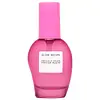
This anti-aging serum is formulated around Opuntia Ficus-Indica Stem Extract and Palmitoyl Tripeptide-1 to soften the look of wrinkles and hydrate skin.
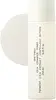
This calming toner is formulated around Centella Asiatica Extract and Niacinamide to calm redness and strengthen the skin barrier.


What's inside
What's inside
 Key Ingredients
Benefits
Concerns
Ingredients Side-by-side
Opuntia Ficus-Indica Stem Extract
Skin Conditioning
Propanediol
Solvent

Butylene Glycol
Humectant
Water
Skin ConditioningBetaine
Humectant
Opuntia Ficus-Indica Fruit Extract
Skin ConditioningPalmitoyl Tripeptide-1
Skin Conditioning



Ectoin
Skin Conditioning

Sodium Hyaluronate
Humectant
Glycerin
Humectant
Ubiquinone
Antioxidant
Galactomyces Ferment Filtrate
Humectant


Bifida Ferment Filtrate
Skin Conditioning
Spilanthes Acmella Flower/Leaf/Stem Extract
AntimicrobialCarthamus Tinctorius Seed Oil
Masking
Glycyrrhiza Glabra Root Extract
Bleaching
Chamaecyparis Obtusa Leaf Extract
Skin ConditioningAmmonium Acryloyldimethyltaurate/Vp Copolymer
Paeonia Suffruticosa Root Extract
Skin ProtectingAstragalus Membranaceus Root Extract
Emollient
Scutellaria Baicalensis Root Extract
Astringent
PEG-40 Hydrogenated Castor Oil
Emulsifying
1,2-Hexanediol
Skin Conditioning
PPG-26-Buteth-26
Skin ConditioningCaprylyl Glycol
Emollient
Tocopherol
Antioxidant
Opuntia Ficus-Indica Stem Extract, Propanediol, Butylene Glycol, Water, Betaine, Opuntia Ficus-Indica Fruit Extract, Palmitoyl Tripeptide-1, Ectoin, Sodium Hyaluronate, Glycerin, Ubiquinone, Galactomyces Ferment Filtrate, Bifida Ferment Filtrate, Spilanthes Acmella Flower/Leaf/Stem Extract, Carthamus Tinctorius Seed Oil, Glycyrrhiza Glabra Root Extract, Chamaecyparis Obtusa Leaf Extract, Ammonium Acryloyldimethyltaurate/Vp Copolymer, Paeonia Suffruticosa Root Extract, Astragalus Membranaceus Root Extract, Scutellaria Baicalensis Root Extract, PEG-40 Hydrogenated Castor Oil, 1,2-Hexanediol, PPG-26-Buteth-26, Caprylyl Glycol, Tocopherol
Centella Asiatica Extract
Cleansing
Water
Skin ConditioningPropanediol
Solvent
Glycerin
Humectant
Niacinamide
Smoothing



Butylene Glycol
Humectant
1,2-Hexanediol
Skin Conditioning
Hydroxyacetophenone
Antioxidant
Panthenol
Skin Conditioning
Glycereth-25 PCA Isostearate
Emulsifying
Zea Mays Kernel Extract
Ethylhexylglycerin
Skin ConditioningAdenosine
Skin Conditioning
Hyaluronic Acid
Humectant
Hydrolyzed Hyaluronic Acid
Humectant
Sodium Hyaluronate
Humectant
Hydrogenated Lecithin
Emulsifying
Ectoin
Skin Conditioning
Squalane
Emollient
Diphenyl Dimethicone
Emollient
Triethylhexanoin
MaskingDisodium EDTA
ChelatingXanthan Gum
EmulsifyingPolyglyceryl-10 Oleate
Skin Conditioning
Caprylic/Capric Triglyceride
Masking
Fructan
Skin ConditioningDipropylene Glycol
HumectantGlucose
Humectant
Beta-Glucan
Skin Conditioning
Polyglyceryl-10 Laurate
Skin Conditioning
Phosphatidylcholine
EmulsifyingCeramide NP
Skin Conditioning
Asiaticoside
Antioxidant
Asiatic Acid
Skin Conditioning
Madecassic Acid
Skin Conditioning
Centella Asiatica Extract, Water, Propanediol, Glycerin, Niacinamide, Butylene Glycol, 1,2-Hexanediol, Hydroxyacetophenone, Panthenol, Glycereth-25 PCA Isostearate, Zea Mays Kernel Extract, Ethylhexylglycerin, Adenosine, Hyaluronic Acid, Hydrolyzed Hyaluronic Acid, Sodium Hyaluronate, Hydrogenated Lecithin, Ectoin, Squalane, Diphenyl Dimethicone, Triethylhexanoin, Disodium EDTA, Xanthan Gum, Polyglyceryl-10 Oleate, Caprylic/Capric Triglyceride, Fructan, Dipropylene Glycol, Glucose, Beta-Glucan, Polyglyceryl-10 Laurate, Phosphatidylcholine, Ceramide NP, Asiaticoside, Asiatic Acid, Madecassic Acid
Reviews
Ingredients Explained
These ingredients are found in both products.
Ingredients higher up in an ingredient list are typically present in a larger amount.
1,2-Hexanediol is a synthetic liquid and another multi-functional powerhouse.
It is a:
- Humectant, drawing moisture into the skin
- Emollient, helping to soften skin
- Solvent, dispersing and stabilizing formulas
- Preservative booster, enhancing the antimicrobial activity of other preservatives
Butylene Glycol (or BG) is used within cosmetic products for a few different reasons:
Overall, Butylene Glycol is a safe and well-rounded ingredient that works well with other ingredients.
Though this ingredient works well with most skin types, some people with sensitive skin may experience a reaction such as allergic rashes, closed comedones, or itchiness.
Learn more about Butylene GlycolEctoin is a compound found naturally in some species of bacteria. It can be synthetically created for skincare use.
This ingredient is an osmolyte; Osmolytes help organisms survive osmotic shock (it protects them from extreme conditions). It does this by influencing the properties of biological fluids within cells.
When applied to the skin, ectoin helps bind water molecules to protect our skin. The water forms a sort of armor for the parts of our skin cells, enzymes, proteins, and more.
Besides this, ectoin has many uses in skincare:
A study from 2004 found ectoin to counteract the damage from UV-A exposure at different cell levels. It has also been shown to protect skin against both UV-A, UV-B rays, infrared light, and visible light.
Studies show ectoin to have dual-action pollution protection: first, it protects our skin from further pollution damage. Second, it helps repair damage from pollution.
In fact, ectoin has been shown to help with:
Fun fact: In the EU, ectoin is used in inhalation medication as an anti-pollution ingredient.
Ectoin is a highly stable ingredient. It has a wide pH range of 1-9. Light, oxygen, and temperature do not affect this ingredient.
The chemical name for this ingredient is Tetrahydromethylpyrimidine Carboxylic Acid.
Learn more about EctoinGlycerin (or glycerol) is a compound naturally found in your skin. It's a powerhouse humectant that pulls water into the stratum corneum.
Topically, glycerin does several things at once:
Your skin makes glycerin on its own (mostly from sebaceous oil breakdown) and shuttles it to your outermost layer of skin, or your epidermis, via aquaporin-3.
Aquaporin-3 is a transporter that is essential for normal skin hydration, elasticity, and repair. Interestingly, mice lacking in AQP3 have dry and less elastic skin that can be fully corrected with glycerin.
This ingredient is non-irritating, plays well with almost every ingredient, and works across all skin types. Typical use is anywhere between 3-10% but can go up to 79% in some leave-on products.
Just know very high concentrations (>40%) can feel tacky in low humidity.
Glycerin is the name for this ingredient in American English. British English uses Glycerol/Glycerine.
Learn more about GlycerinPropanediol is an all-star ingredient. It softens, hydrates, and smooths the skin.
It’s often used to:
Propanediol is not likely to cause sensitivity and considered safe to use. It is derived from corn or petroleum with a clear color and no scent.
Learn more about PropanediolSodium Hyaluronate is the salt form of hyaluronic acid. It is a long sugar chain that is naturally found in your skin, joints, and connective tissue that maintains hydration and elasticity.
In skincare, it works as a humectant. It pulls water from the environment and deeper layers of skin and binds it to the surface.
Interestingly, the size of the molecule affects its behavior:
Some clinical evidence links low molecular weight versions to improved wrinkle depth, elasticity, anti-inflammatory effects, and barrier repair.
Many serums use a blend of both weights so you can get surface hydration plus longer-lasting and deeper effects.
You'll typically see concentrations between 0.1-2% for this ingredient.
Learn more about Sodium HyaluronateWater. It's the most common cosmetic ingredient of all. You'll usually see it at the top of ingredient lists, meaning that it makes up the largest part of the product.
So why is it so popular? Water most often acts as a solvent - this means that it helps dissolve other ingredients into the formulation.
You'll also recognize water as that liquid we all need to stay alive. If you see this, drink a glass of water. Remember to stay hydrated!
Learn more about Water

