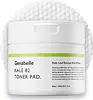
This smoothing toner pad uses a pre-saturated pad with Gluconolactone and Protease to refine skin texture and brighten dull-looking skin.
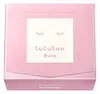
This hydrating sheet mask is formulated around Sodium PCA and Dipotassium Glycyrrhizate to hydrate skin and strengthen the skin barrier.


What's inside
What's inside
 Key Ingredients
Benefits
Concerns
Ingredients Side-by-side
Brassica Oleracea Acephala Leaf Extract
HumectantButylene Glycol
Humectant

Propanediol
Solvent
1,2-Hexanediol
Skin Conditioning
Water
Skin ConditioningPolyglyceryl-10 Laurate
Skin Conditioning

Panthenol
Skin Conditioning


Gluconolactone
Chelating






Ethylhexylglycerin
Skin ConditioningSodium Phytate
ChelatingTromethamine
BufferingBetaine
Humectant
Allantoin
Skin Conditioning
Protease
Exfoliating
Citric Acid
Buffering
Tocopherol
Antioxidant


Sodium Hyaluronate
Humectant
Ulmus Davidiana Root Extract
Skin Conditioning
Oenothera Biennis Flower Extract
AstringentPueraria Lobata Root Extract
HumectantPinus Palustris Leaf Extract
TonicHydroxypropyltrimonium Hyaluronate
Hydrolyzed Hyaluronic Acid
Humectant
Sodium Acetylated Hyaluronate
Humectant
Hyaluronic Acid
Humectant
Sodium Hyaluronate Crosspolymer
Humectant
Potassium Hyaluronate
Skin ConditioningBrassica Oleracea Acephala Leaf Extract, Butylene Glycol, Propanediol, 1,2-Hexanediol, Water, Polyglyceryl-10 Laurate, Panthenol, Gluconolactone, Ethylhexylglycerin, Sodium Phytate, Tromethamine, Betaine, Allantoin, Protease, Citric Acid, Tocopherol, Sodium Hyaluronate, Ulmus Davidiana Root Extract, Oenothera Biennis Flower Extract, Pueraria Lobata Root Extract, Pinus Palustris Leaf Extract, Hydroxypropyltrimonium Hyaluronate, Hydrolyzed Hyaluronic Acid, Sodium Acetylated Hyaluronate, Hyaluronic Acid, Sodium Hyaluronate Crosspolymer, Potassium Hyaluronate
Water
Skin ConditioningGlycerin
Humectant
Butylene Glycol
Humectant
Sodium PCA
Humectant
Dipotassium Glycyrrhizate
Humectant
Paeonia Albiflora Flower Extract
TonicSilica
Abrasive
Behenyl Alcohol
Emollient
Algin
MaskingLauryl Betaine
CleansingPolyglutamic Acid
Skin Conditioning
Vaccinium Myrtillus Leaf Extract
AstringentVaccinium Macrocarpon Fruit Extract
AstringentPotassium Sorbate
Preservative
Sodium Benzoate
Masking
Sodium Hydroxide
BufferingLecithin
Emollient
Beta-Sitosterol
Emulsion Stabilising
Ascorbyl Palmitate
Antioxidant
Gluconolactone
Chelating
Tetrasodium Glutamate Diacetate
ChelatingLactobacillus Ferment
Skin Conditioning
Bacillus Ferment
Skin Conditioning
Benzyl Alcohol
Perfuming





Dehydroacetic Acid
Preservative
PEG-40 Hydrogenated Castor Oil
Emulsifying
Xanthan Gum
EmulsifyingCitric Acid
Buffering
Sodium Citrate
BufferingPhenoxyethanol
Preservative
Methylparaben
Preservative

Water, Glycerin, Butylene Glycol, Sodium PCA, Dipotassium Glycyrrhizate, Paeonia Albiflora Flower Extract, Silica, Behenyl Alcohol, Algin, Lauryl Betaine, Polyglutamic Acid, Vaccinium Myrtillus Leaf Extract, Vaccinium Macrocarpon Fruit Extract, Potassium Sorbate, Sodium Benzoate, Sodium Hydroxide, Lecithin, Beta-Sitosterol, Ascorbyl Palmitate, Gluconolactone, Tetrasodium Glutamate Diacetate, Lactobacillus Ferment, Bacillus Ferment, Benzyl Alcohol, Dehydroacetic Acid, PEG-40 Hydrogenated Castor Oil, Xanthan Gum, Citric Acid, Sodium Citrate, Phenoxyethanol, Methylparaben
Reviews
Ingredients Explained
These ingredients are found in both products.
Ingredients higher up in an ingredient list are typically present in a larger amount.
Butylene Glycol (or BG) is used within cosmetic products for a few different reasons:
Overall, Butylene Glycol is a safe and well-rounded ingredient that works well with other ingredients.
Though this ingredient works well with most skin types, some people with sensitive skin may experience a reaction such as allergic rashes, closed comedones, or itchiness.
Learn more about Butylene GlycolCitric Acid is an alpha hydroxy acid (AHA) naturally found in citrus fruits like oranges, lemons, and limes.
Like other AHAs, citric acid can exfoliate skin by breaking down the bonds that hold dead skin cells together. This helps reveal smoother and brighter skin underneath.
However, this exfoliating effect only happens at high concentrations (20%) which can be hard to find in cosmetic products.
Due to this, citric acid is usually included in small amounts as a pH adjuster. This helps keep products slightly more acidic and compatible with skin's natural pH.
In skincare formulas, citric acid can:
While it can provide some skin benefits, research shows lactic acid and glycolic acid are generally more effective and less irritating exfoliants.
Most citric acid used in skincare today is made by fermenting sugars (usually from molasses). This synthetic version is identical to the natural citrus form but easier to stabilize and use in formulations.
Rosacea skin has a lower threshold for acids generally, with 62.5% of rosacea subjects in one study reacting to lactic acid in a sting test. This is why we mark citric acid as a potential rosacea trigger.
However, this ingredient shows up as a pH adjuster or chelator at roughly 0.1-1% in many products. These low levels are unlikely to be an issue for rosacea skin and becomes a potential trigger at exfoliating concentrations (20%). Because everybody's skin is unique, we recommend a patch test if you are unsure.
Learn more about Citric AcidGluconolactone is a PHA. PHAs are a great gentle alternative to traditional AHAs.
When applied, Gluconolactone has the same affect on skin as AHAs such as lactic acid. It helps dissolve the dead skin cells in the top layer of your skin. This improves texture and brightens the skin.
PHAs are more gentle than AHAs due to their larger structure. They do not penetrate as deeply as AHAs and take a longer time to dissolve dead cells. Studies show PHAs do not cause as much irritation.
Gluconolactone has some interesting properties:
In a 2004 study, Gluconolactone was found to prevent UV damage in mouse skin cells and has not been found to increase sun sensitivity. However, we still recommend wearing SPF daily.
This ingredient is is an created by reacting gluconic acid with an alcohol.
Learn more about GluconolactoneWater. It's the most common cosmetic ingredient of all. You'll usually see it at the top of ingredient lists, meaning that it makes up the largest part of the product.
So why is it so popular? Water most often acts as a solvent - this means that it helps dissolve other ingredients into the formulation.
You'll also recognize water as that liquid we all need to stay alive. If you see this, drink a glass of water. Remember to stay hydrated!
Learn more about Water


