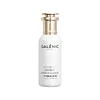
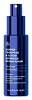
Galénic Couture Secret d’Excellence The Active Serum Versus Allies of Skin Copper Tripeptide & Ectoin Advanced Repair Serum
This anti-aging serum is formulated around Bifida Ferment Lysate and Palmitoyl Tripeptide-5 to soften the look of wrinkles and strengthen the skin barrier.
This barrier-repair serum is formulated around Ectoin and Copper Tripeptide-1 to strengthen the skin barrier and soften the look of wrinkles.


What's inside
What's inside
 Key Ingredients
Benefits
Concerns
Ingredients Side-by-side
Water
Skin ConditioningButylene Glycol
Humectant

Propanediol
Solvent
Glycerin
Humectant
Diglycerin
Humectant
Dimethicone
Emollient
Bifida Ferment Lysate
Skin Conditioning

Isononyl Isononanoate
EmollientIsomalt
Humectant1,2-Hexanediol
Skin Conditioning
Panthenol
Skin Conditioning
PEG-20 Methyl Glucose Sesquistearate
Emulsifying

Sodium Polyacryloyldimethyl Taurate
Emulsion StabilisingHydroxyacetophenone
Antioxidant
Caprylyl Glycol
Emollient
Leontopodium Alpinum Callus Culture Extract
Antioxidant
Sodium Polyacrylate
Absorbent
Escin
TonicChlamydomonas Extract
Skin ConditioningRuscus Aculeatus Root Extract
Astringent
Palmitoyl Tripeptide-5
Skin Conditioning


Acetyl Hexapeptide-8
Humectant
Vitis Vinifera Flower Cell Extract
MaskingHydrolyzed Vegetable Protein
Skin ConditioningPPG-26-Buteth-26
Skin ConditioningDisodium Phosphate
BufferingPEG-40 Hydrogenated Castor Oil
Emulsifying
Sodium Phosphate
BufferingSodium Phytate
Undaria Pinnatifida Extract
Skin ConditioningAmmonium Glycyrrhizate
MaskingCrithmum Maritimum Callus Culture Filtrate
Skin ProtectingCentella Asiatica Leaf Extract
Skin Conditioning
Hydrolyzed Yeast Protein
Skin ConditioningCalendula Officinalis Flower Extract
Masking
Xanthan Gum
EmulsifyingLecithin
Emollient
Tocopherol
Antioxidant


Carbomer
Emulsion StabilisingParfum
Masking


Sodium Hydroxide
BufferingPhenoxyethanol
Preservative
Sodium Benzoate
Masking
Citric Acid
Buffering
Sodium Citrate
BufferingLactic Acid
Buffering

Acetic Acid
BufferingBHT
Antioxidant
Water, Butylene Glycol, Propanediol, Glycerin, Diglycerin, Dimethicone, Bifida Ferment Lysate, Isononyl Isononanoate, Isomalt, 1,2-Hexanediol, Panthenol, PEG-20 Methyl Glucose Sesquistearate, Sodium Polyacryloyldimethyl Taurate, Hydroxyacetophenone, Caprylyl Glycol, Leontopodium Alpinum Callus Culture Extract, Sodium Polyacrylate, Escin, Chlamydomonas Extract, Ruscus Aculeatus Root Extract, Palmitoyl Tripeptide-5, Acetyl Hexapeptide-8, Vitis Vinifera Flower Cell Extract, Hydrolyzed Vegetable Protein, PPG-26-Buteth-26, Disodium Phosphate, PEG-40 Hydrogenated Castor Oil, Sodium Phosphate, Sodium Phytate, Undaria Pinnatifida Extract, Ammonium Glycyrrhizate, Crithmum Maritimum Callus Culture Filtrate, Centella Asiatica Leaf Extract, Hydrolyzed Yeast Protein, Calendula Officinalis Flower Extract, Xanthan Gum, Lecithin, Tocopherol, Carbomer, Parfum, Sodium Hydroxide, Phenoxyethanol, Sodium Benzoate, Citric Acid, Sodium Citrate, Lactic Acid, Acetic Acid, BHT
Water
Skin ConditioningGlycerin
Humectant
Ectoin
Skin Conditioning
Polyglyceryl-10 Oleate
Skin Conditioning
Coco-Caprylate/Caprate
Emollient
Isononyl Isononanoate
EmollientDimethyl Isosorbide
SolventPanthenol
Skin Conditioning
Carnitine
Cleansing
Tocopherol
Antioxidant
Copper Tripeptide-1
Skin Conditioning
Oxidized Glutathione
EmollientErgothioneine
Antioxidant
Tropolone
Skin ConditioningCopper Lysinate/Prolinate
Skin ConditioningAcetyl Hexapeptide-8
Humectant
Methylglucoside Phosphate
Skin ConditioningHydroxyethylcellulose
Emulsion StabilisingSaccharide Isomerate
Humectant
Ethylhexylglycerin
Skin ConditioningSodium Gluconate
Skin ConditioningSclerotium Gum
Emulsion StabilisingDisodium Phosphate
BufferingSodium Phosphate
BufferingCaprylyl Glycol
Emollient
Propanediol
Solvent
1,2-Hexanediol
Skin Conditioning
Hydroxyethyl Acrylate/Sodium Acryloyldimethyl Taurate Copolymer
Emulsion StabilisingCitric Acid
Buffering
Polysorbate 60
Emulsifying
Sodium Hydroxide
BufferingPolysorbate 20
Emulsifying
Phenoxyethanol
Preservative
Water, Glycerin, Ectoin, Polyglyceryl-10 Oleate, Coco-Caprylate/Caprate, Isononyl Isononanoate, Dimethyl Isosorbide, Panthenol, Carnitine, Tocopherol, Copper Tripeptide-1, Oxidized Glutathione, Ergothioneine, Tropolone, Copper Lysinate/Prolinate, Acetyl Hexapeptide-8, Methylglucoside Phosphate, Hydroxyethylcellulose, Saccharide Isomerate, Ethylhexylglycerin, Sodium Gluconate, Sclerotium Gum, Disodium Phosphate, Sodium Phosphate, Caprylyl Glycol, Propanediol, 1,2-Hexanediol, Hydroxyethyl Acrylate/Sodium Acryloyldimethyl Taurate Copolymer, Citric Acid, Polysorbate 60, Sodium Hydroxide, Polysorbate 20, Phenoxyethanol
Reviews
Ingredients Explained
These ingredients are found in both products.
Ingredients higher up in an ingredient list are typically present in a larger amount.
1,2-Hexanediol is a synthetic liquid and another multi-functional powerhouse.
It is a:
- Humectant, drawing moisture into the skin
- Emollient, helping to soften skin
- Solvent, dispersing and stabilizing formulas
- Preservative booster, enhancing the antimicrobial activity of other preservatives
Acetyl Hexapeptide-8 (also known as Argireline) is a synthetic hexapeptide that is often called a "topical Botox alternative".
It works by mimicking how Botox relaxes muscles; it interferes with the signaling process that tells your facial muscles to contract. This can help soften expression lines like forehead wrinkles or crow's feet over time.
The comparison to Botox does have limits because the molecule is water-loving and relatively large.
Acetyl Hexapeptide-8 has a hard time absorbing deeply enough through the skin's outer barrier to actually reach the muscles.
So whether it truly works the way Botox does at a biological level is still up for debate, but early clinical outcomes are fairly encouraging.
A 12 week human study of a multi-ingredient regimen containing this ingredient saw:
While some studies have observed improvements in wrinkle appearance, it is important to note that more consistent results are seen in multi-ingredient formulations (vs just Acetyl Hexapeptide-8 alone).
Some research studies also used higher concentrations (up to 10%) while this ingredient is usually found in concentrations up to 0.005% in leave-on formulations.
Learn more about Acetyl Hexapeptide-8Caprylyl Glycol is a humectant, skin conditioner, emollient, and preservative booster derived from either caprylic acid or synthetically created.
Typical use levels vary from 0.3-1% as a preservative booster and go up to 2% to condition skin.
Because it is not a free-fatty acid, this ingredient is fungal acne safe (there's nothing for Malassezia to feed on).
Learn more about Caprylyl GlycolCitric Acid is an alpha hydroxy acid (AHA) naturally found in citrus fruits like oranges, lemons, and limes.
Like other AHAs, citric acid can exfoliate skin by breaking down the bonds that hold dead skin cells together. This helps reveal smoother and brighter skin underneath.
However, this exfoliating effect only happens at high concentrations (20%) which can be hard to find in cosmetic products.
Due to this, citric acid is usually included in small amounts as a pH adjuster. This helps keep products slightly more acidic and compatible with skin's natural pH.
In skincare formulas, citric acid can:
While it can provide some skin benefits, research shows lactic acid and glycolic acid are generally more effective and less irritating exfoliants.
Most citric acid used in skincare today is made by fermenting sugars (usually from molasses). This synthetic version is identical to the natural citrus form but easier to stabilize and use in formulations.
Rosacea skin has a lower threshold for acids generally, with 62.5% of rosacea subjects in one study reacting to lactic acid in a sting test. This is why we mark citric acid as a potential rosacea trigger.
However, this ingredient shows up as a pH adjuster or chelator at roughly 0.1-1% in many products. These low levels are unlikely to be an issue for rosacea skin and becomes a potential trigger at exfoliating concentrations (20%). Because everybody's skin is unique, we recommend a patch test if you are unsure.
Learn more about Citric AcidDisodium Phosphate is a water-soluble powder used as a pH adjuster and mild chelating agent. It basically holds a specific pH and binds stray metal ions so your product stays stable.
This ingredient is usually used at very low levels and concentrations range from 0.000054% - 2.9%. The CIR Expert Panel states this ingredient to be non-irritating at current use levels.
Glycerin (or glycerol) is a compound naturally found in your skin. It's a powerhouse humectant that pulls water into the stratum corneum.
Topically, glycerin does several things at once:
Your skin makes glycerin on its own (mostly from sebaceous oil breakdown) and shuttles it to your outermost layer of skin, or your epidermis, via aquaporin-3.
Aquaporin-3 is a transporter that is essential for normal skin hydration, elasticity, and repair. Interestingly, mice lacking in AQP3 have dry and less elastic skin that can be fully corrected with glycerin.
This ingredient is non-irritating, plays well with almost every ingredient, and works across all skin types. Typical use is anywhere between 3-10% but can go up to 79% in some leave-on products.
Just know very high concentrations (>40%) can feel tacky in low humidity.
Glycerin is the name for this ingredient in American English. British English uses Glycerol/Glycerine.
Learn more about GlycerinIsononyl Isononanoate is a synthetic skin-conditioner and texture enhancer. It is created from nonanoic acid, a fatty acid found in cocoa and lavender oil.
As an emollient, Isononyl Isononanoate helps keep your skin soft and smooth. This is because emollients create a barrier on the skin to trap moisture in.
Isononyl Isononanoate helps give products a velvet feel and improves spreadability.
Learn more about Isononyl IsononanoatePanthenol is a common ingredient that helps hydrate and soothe the skin. It is found naturally in our skin and hair.
There are two forms of panthenol: D and L.
D-panthenol is also known as dexpanthenol. Most cosmetics use dexpanthenol or a mixture of D and L-panthenol.
Panthenol is famous due to its ability to go deeper into the skin's layers. Using this ingredient has numerous pros (and no cons):
Like hyaluronic acid, panthenol is a humectant. Humectants are able to bind and hold large amounts of water to keep skin hydrated.
This ingredient works well for wound healing. It works by increasing tissue in the wound and helps close open wounds.
Once oxidized, panthenol converts to pantothenic acid. Panthothenic acid is found in all living cells.
This ingredient is also referred to as pro-vitamin B5.
Learn more about PanthenolPhenoxyethanol is one of the most widely used preservatives in skincare (and for good reason!).
It has a large spectrum of antimicrobial activity and especially effective bacteria, yeast, and mold while only having a weak effect on your skin's natural microbiome.
On a cellular level, it disrupts the cell membranes of microbes by poking holes that make the cell leak. This shuts down the chemical reactions the microbe needs to make energy so it can no longer survive.
Another perk of this ingredient is that it stays functional across a wide pH range (3-10).
You'll often see it paired with boosters like Ethylhexylglycerin; one study showed that a 1:9 ratio of Ethylhexylglycerin to Phenoxyethanol damages bacterial membranes as effectively as doubling the Phenoxyethanol concentration on its own.
Typical use concentrations range from 0.3-1% depending on the formula, and this ingredient is capped at 1% int the EU.
Safety-wise, the fear mongering does not hold up to the evidence. The EU's Scientific Committee on Consumer Safety and FDA consider it safe as a preservative at up to 1%, including for children of all ages.
Adverse systemic effects only showed up in animal studies at exposures roughly 200x higher than what people get from cosmetics. And despite its very widespread use, this ingredient is a rare sensitizer and allergic reactions are uncommon.
Learn more about PhenoxyethanolPropanediol is an all-star ingredient. It softens, hydrates, and smooths the skin.
It’s often used to:
Propanediol is not likely to cause sensitivity and considered safe to use. It is derived from corn or petroleum with a clear color and no scent.
Learn more about PropanediolSodium Hydroxide is also known as lye or caustic soda. It is used to adjust the pH of products; many ingredients require a specific pH to be effective.
In small amounts, sodium hydroxide is considered safe to use. However, large amounts may cause chemical burns due to its high alkaline.
Your skin has a natural pH and acid mantle. This acid mantle helps prevent harmful bacteria from breaking through. The acid mantle also helps keep your skin hydrated.
"Alkaline" refers to a high pH level. A low pH level would be considered acidic.
Learn more about Sodium HydroxideSodium Phosphate is is behind-the-scenes formulation helper. Its main job is buffering, or locking in the product's pH.
This helps ensure the formula stays at its intended acidity through manufacturing, shipping, and sitting on your shelf. Many active ingredients like vitamin C or retinoids are pH sensitive so maintaining their happy pH range matters.
It is synthetic and reported use concentrations are very low (up to 0.086% in face powders).
Learn more about Sodium PhosphateTocopherol is a fat-soluble antioxidant known as Vitamin E.
You'll find this ingredient in the vast majority of skincare (for good reason). It works to neutralize free radicals, or unstable molecules generated by UV exposure, pollution, and other environmental stressors, before they can cause oxidative damage to your skin cells.
Topically applied tocopherol has been shown to protect against UV damage by ramping up the skin's own natural defense enzymes.
It also acts as a skin conditioning agent; some studies show that regular topical use can improve the skin's water-binding capacity over 2-4 weeks.
This ingredient is especially loved for being a team player. When combined with Vitamin C, the photoprotective effect of both ingredients roughly doubles and the combo also helps reduce UV-induced DNA damage.
This ingredient has some brightening potential but it's more of a prevention ingredient than spot-fader. Cell studies show it can slow down melanin production but it's worth noting that it's not the most powerful brightener out there.
In formulations, it also serves as a stabilizer that helps protect other oxidation-prone ingredients from degrading.
Concentrations usually range from 0.1-1% in most leave-on products.
Learn more about TocopherolWater. It's the most common cosmetic ingredient of all. You'll usually see it at the top of ingredient lists, meaning that it makes up the largest part of the product.
So why is it so popular? Water most often acts as a solvent - this means that it helps dissolve other ingredients into the formulation.
You'll also recognize water as that liquid we all need to stay alive. If you see this, drink a glass of water. Remember to stay hydrated!
Learn more about Water

