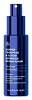
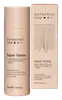
Allies of Skin Copper Tripeptide & Ectoin Advanced Repair Serum Versus Authentic Ego Super Sensa Barrier Repair Moisturizer With Ectoin & Panthenol + PDRN
This barrier-repair serum is formulated around Ectoin and Copper Tripeptide-1 to strengthen the skin barrier and soften the look of wrinkles.

What's inside
What's inside
 Key Ingredients
Benefits
Concerns
No concerns
Ingredients Side-by-side
Water
Skin ConditioningGlycerin
Humectant


Ectoin
Skin Conditioning



Polyglyceryl-10 Oleate
Skin Conditioning

Coco-Caprylate/Caprate
Emollient
Isononyl Isononanoate
EmollientDimethyl Isosorbide
SolventPanthenol
Skin Conditioning
Carnitine
Cleansing

Tocopherol
Antioxidant



Copper Tripeptide-1
Skin Conditioning
Oxidized Glutathione
EmollientErgothioneine
Antioxidant
Tropolone
Skin ConditioningCopper Lysinate/Prolinate
Skin ConditioningAcetyl Hexapeptide-8
Humectant
Methylglucoside Phosphate
Skin ConditioningHydroxyethylcellulose
Emulsion StabilisingSaccharide Isomerate
Humectant
Ethylhexylglycerin
Skin ConditioningSodium Gluconate
Skin ConditioningSclerotium Gum
Emulsion StabilisingDisodium Phosphate
BufferingSodium Phosphate
BufferingCaprylyl Glycol
Emollient
Propanediol
Solvent
1,2-Hexanediol
Skin Conditioning
Hydroxyethyl Acrylate/Sodium Acryloyldimethyl Taurate Copolymer
Emulsion StabilisingCitric Acid
Buffering
Polysorbate 60
Emulsifying
Sodium Hydroxide
BufferingPolysorbate 20
Emulsifying
Phenoxyethanol
Preservative
Water, Glycerin, Ectoin, Polyglyceryl-10 Oleate, Coco-Caprylate/Caprate, Isononyl Isononanoate, Dimethyl Isosorbide, Panthenol, Carnitine, Tocopherol, Copper Tripeptide-1, Oxidized Glutathione, Ergothioneine, Tropolone, Copper Lysinate/Prolinate, Acetyl Hexapeptide-8, Methylglucoside Phosphate, Hydroxyethylcellulose, Saccharide Isomerate, Ethylhexylglycerin, Sodium Gluconate, Sclerotium Gum, Disodium Phosphate, Sodium Phosphate, Caprylyl Glycol, Propanediol, 1,2-Hexanediol, Hydroxyethyl Acrylate/Sodium Acryloyldimethyl Taurate Copolymer, Citric Acid, Polysorbate 60, Sodium Hydroxide, Polysorbate 20, Phenoxyethanol
Water
Skin ConditioningPanthenol
Skin Conditioning
Squalane
Emollient
Propanediol
Solvent
Ectoin
Skin Conditioning
Glyceryl Glucoside
Humectant
Betaine
Humectant
Ammonium Polyacryloyldimethyl Taurate
Emulsion StabilisingCaprylhydroxamic Acid
1,2-Hexanediol
Skin Conditioning
Acetyl Tetrapeptide-40
Skin Conditioning
Acetyl Heptapeptide-4
Humectant
Sodium DNA
Skin Conditioning
Inulin
Skin Conditioning
Alpha-Glucan Oligosaccharide
Cleansing
Cyclopentasiloxane
Emollient
Trehalose
Humectant
Tremella Fuciformis Sporocarp Extract
Antioxidant
Polyglutamic Acid
Skin Conditioning
Tocopherol
Antioxidant
Tetrasodium Glutamate Diacetate
Dimethylmethoxy Chromanol
Antioxidant
Water, Panthenol, Squalane, Propanediol, Ectoin, Glyceryl Glucoside, Betaine, Ammonium Polyacryloyldimethyl Taurate, Caprylhydroxamic Acid, 1,2-Hexanediol, Acetyl Tetrapeptide-40, Acetyl Heptapeptide-4, Sodium DNA, Inulin, Alpha-Glucan Oligosaccharide, Cyclopentasiloxane, Trehalose, Tremella Fuciformis Sporocarp Extract, Polyglutamic Acid, Tocopherol, Tetrasodium Glutamate Diacetate, Dimethylmethoxy Chromanol
Reviews
Ingredients Explained
These ingredients are found in both products.
Ingredients higher up in an ingredient list are typically present in a larger amount.
1,2-Hexanediol is a synthetic liquid and another multi-functional powerhouse.
It is a:
- Humectant, drawing moisture into the skin
- Emollient, helping to soften skin
- Solvent, dispersing and stabilizing formulas
- Preservative booster, enhancing the antimicrobial activity of other preservatives
Ectoin is a compound found naturally in some species of bacteria. It can be synthetically created for skincare use.
This ingredient is an osmolyte; Osmolytes help organisms survive osmotic shock (it protects them from extreme conditions). It does this by influencing the properties of biological fluids within cells.
When applied to the skin, ectoin helps bind water molecules to protect our skin. The water forms a sort of armor for the parts of our skin cells, enzymes, proteins, and more.
Besides this, ectoin has many uses in skincare:
A study from 2004 found ectoin to counteract the damage from UV-A exposure at different cell levels. It has also been shown to protect skin against both UV-A, UV-B rays, infrared light, and visible light.
Studies show ectoin to have dual-action pollution protection: first, it protects our skin from further pollution damage. Second, it helps repair damage from pollution.
In fact, ectoin has been shown to help with:
Fun fact: In the EU, ectoin is used in inhalation medication as an anti-pollution ingredient.
Ectoin is a highly stable ingredient. It has a wide pH range of 1-9. Light, oxygen, and temperature do not affect this ingredient.
The chemical name for this ingredient is Tetrahydromethylpyrimidine Carboxylic Acid.
Learn more about EctoinPanthenol is a common ingredient that helps hydrate and soothe the skin. It is found naturally in our skin and hair.
There are two forms of panthenol: D and L.
D-panthenol is also known as dexpanthenol. Most cosmetics use dexpanthenol or a mixture of D and L-panthenol.
Panthenol is famous due to its ability to go deeper into the skin's layers. Using this ingredient has numerous pros (and no cons):
Like hyaluronic acid, panthenol is a humectant. Humectants are able to bind and hold large amounts of water to keep skin hydrated.
This ingredient works well for wound healing. It works by increasing tissue in the wound and helps close open wounds.
Once oxidized, panthenol converts to pantothenic acid. Panthothenic acid is found in all living cells.
This ingredient is also referred to as pro-vitamin B5.
Learn more about PanthenolPropanediol is an all-star ingredient. It softens, hydrates, and smooths the skin.
It’s often used to:
Propanediol is not likely to cause sensitivity and considered safe to use. It is derived from corn or petroleum with a clear color and no scent.
Learn more about PropanediolTocopherol is a fat-soluble antioxidant known as Vitamin E.
You'll find this ingredient in the vast majority of skincare (for good reason). It works to neutralize free radicals, or unstable molecules generated by UV exposure, pollution, and other environmental stressors, before they can cause oxidative damage to your skin cells.
Topically applied tocopherol has been shown to protect against UV damage by ramping up the skin's own natural defense enzymes.
It also acts as a skin conditioning agent; some studies show that regular topical use can improve the skin's water-binding capacity over 2-4 weeks.
This ingredient is especially loved for being a team player. When combined with Vitamin C, the photoprotective effect of both ingredients roughly doubles and the combo also helps reduce UV-induced DNA damage.
This ingredient has some brightening potential but it's more of a prevention ingredient than spot-fader. Cell studies show it can slow down melanin production but it's worth noting that it's not the most powerful brightener out there.
In formulations, it also serves as a stabilizer that helps protect other oxidation-prone ingredients from degrading.
Concentrations usually range from 0.1-1% in most leave-on products.
Learn more about TocopherolWater. It's the most common cosmetic ingredient of all. You'll usually see it at the top of ingredient lists, meaning that it makes up the largest part of the product.
So why is it so popular? Water most often acts as a solvent - this means that it helps dissolve other ingredients into the formulation.
You'll also recognize water as that liquid we all need to stay alive. If you see this, drink a glass of water. Remember to stay hydrated!
Learn more about Water

