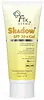
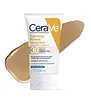
Fixderma Skincare Shadow SPF 30+ Gel Versus CeraVe Hydrating Mineral Sunscreen Face Sheer Tint SPF 30


What's inside
What's inside
 Key Ingredients
Benefits
Concerns
Ingredients Side-by-side
Water
Skin ConditioningEthylhexyl Methoxycinnamate
UV Absorber


Propylene Glycol
Humectant


Butyl Methoxydibenzoylmethane
UV Absorber
Caprylic/Capric Triglyceride
Masking

Benzophenone-4
UV Absorber
Triethanolamine
BufferingZinc Oxide
Cosmetic Colorant
Phenoxyethanol
Preservative
Ethylhexylglycerin
Skin ConditioningSodium Acrylates/Beheneth-25 Methacrylate Crosspolymer
Skin ConditioningHydrogenated Polydecene
EmollientLauryl Glucoside
CleansingAcrylates/C10-30 Alkyl Acrylate Crosspolymer
Emulsion StabilisingTocopheryl Acetate
Antioxidant


Disodium EDTA
BHT
Antioxidant
Parfum
Masking

Water, Ethylhexyl Methoxycinnamate, Propylene Glycol, Butyl Methoxydibenzoylmethane, Caprylic/Capric Triglyceride, Benzophenone-4, Triethanolamine, Zinc Oxide, Phenoxyethanol, Ethylhexylglycerin, Sodium Acrylates/Beheneth-25 Methacrylate Crosspolymer, Hydrogenated Polydecene, Lauryl Glucoside, Acrylates/C10-30 Alkyl Acrylate Crosspolymer, Tocopheryl Acetate, Disodium EDTA, BHT, Parfum
Titanium Dioxide 5.5%
Cosmetic Colorant
Zinc Oxide 10%
Cosmetic Colorant
Water
Skin ConditioningC12-15 Alkyl Benzoate
AntimicrobialIsohexadecane
EmollientIsononyl Isononanoate
EmollientDicaprylyl Ether
Emollient
PEG-30 Dipolyhydroxystearate
Emulsifying
Triethylhexanoin
MaskingPolyglyceryl-4 Isostearate
Emulsifying
Dicaprylyl Carbonate
EmollientEthylene/Acrylic Acid Copolymer
Emulsion StabilisingTriethanolamine
BufferingSilica
Abrasive

Poly C10-30 Alkyl Acrylate
Emulsion StabilisingStearic Acid
Cleansing
Ceramide NP
Skin Conditioning



Ceramide AP
Skin Conditioning
Ceramide EOP
Skin Conditioning
Carbomer
Emulsion StabilisingNiacinamide
Smoothing




Cetearyl Alcohol
Emollient

Triethoxycaprylylsilane

Behentrimonium Methosulfate
Surfactant
Sodium Chloride
MaskingSalicylic Acid
Masking

Sodium Hyaluronate
Humectant
Sodium Lauroyl Lactylate
EmulsifyingCholesterol
Emollient
Aluminum Stearate
Cosmetic ColorantAlumina
Abrasive
Aluminum Hydroxide
EmollientIron Oxides
Phenoxyethanol
Preservative
P-Anisic Acid
Masking
Chlorphenesin
Antimicrobial
Tocopherol
Antioxidant
Disodium EDTA
Disodium Stearoyl Glutamate
CleansingPropylene Carbonate
SolventCitric Acid
Buffering
Caprylyl Glycol
Emollient
Capryloyl Salicylic Acid
Exfoliating
Caprylic/Capric Triglyceride
Masking
Diethylhexyl Syringylidenemalonate
Skin ProtectingDisteardimonium Hectorite
StabilisingXanthan Gum
EmulsifyingPhytosphingosine
Skin Conditioning
Polyhydroxystearic Acid
Emulsifying
Ethylhexylglycerin
Skin ConditioningTitanium Dioxide 5.5%, Zinc Oxide 10%, Water, C12-15 Alkyl Benzoate, Isohexadecane, Isononyl Isononanoate, Dicaprylyl Ether, PEG-30 Dipolyhydroxystearate, Triethylhexanoin, Polyglyceryl-4 Isostearate, Dicaprylyl Carbonate, Ethylene/Acrylic Acid Copolymer, Triethanolamine, Silica, Poly C10-30 Alkyl Acrylate, Stearic Acid, Ceramide NP, Ceramide AP, Ceramide EOP, Carbomer, Niacinamide, Cetearyl Alcohol, Triethoxycaprylylsilane, Behentrimonium Methosulfate, Sodium Chloride, Salicylic Acid, Sodium Hyaluronate, Sodium Lauroyl Lactylate, Cholesterol, Aluminum Stearate, Alumina, Aluminum Hydroxide, Iron Oxides, Phenoxyethanol, P-Anisic Acid, Chlorphenesin, Tocopherol, Disodium EDTA, Disodium Stearoyl Glutamate, Propylene Carbonate, Citric Acid, Caprylyl Glycol, Capryloyl Salicylic Acid, Caprylic/Capric Triglyceride, Diethylhexyl Syringylidenemalonate, Disteardimonium Hectorite, Xanthan Gum, Phytosphingosine, Polyhydroxystearic Acid, Ethylhexylglycerin
Reviews
Ingredients Explained
These ingredients are found in both products.
Ingredients higher up in an ingredient list are typically present in a larger amount.
Caprylic/Capric Triglyceride (aka MCT Oil) is a lightweight emollient, solvent, and texture enhancer. It is considered a skin-softener by helping to prevent moisture loss.
Though it behaves like an oil, it is not technically one due to its chemical composition. One perk of this ingredient is that it is very stable, resistant to oxidation, and unlikely to go rancid.
In practice, that translates to a long shelf life and a consistently elegant skin feel.
While there is an assumption Caprylic Triglyceride can clog pores due to it being derived from coconut oil, there is no research supporting this. Just patch test if you have concerns.
Fractionated coconut oil and MCT Oil are both listed as Caprylic/Capric Triglyceride according to INCI. This is because INCI names are based on the ingredient’s final chemical composition and not its marketing name or source.
This ingredient is treated as the gold standard fungal acne safe oil. Even though it is coconut derived, the problematic lauric acid is stripped out.
This leaves just caprylic (C8) and capric (C10) acid. These chain lengths actually trend antifungal; a 2020 study found caprylic acid was enough to disrupt Malassezia furfur cell membrane, with a caprylic acid derivative damaging membrane structures at concentrations as low as 0.2%.
Learn more about Caprylic/Capric TriglycerideDisodium EDTA is a chelating agent. It grabs onto and deactivates metal ions that sneak into your products from water, packaging, or air.
This ingredient mainly works behind the scenes and helps with:
On top of that, this ingredient can counteract the effects of hard water by binding to the minerals in it.
One thing worth knowing is that Disodium EDTA has been shown to be a mild penetration enhancer. It can help other ingredients absorb into skin more effectively which can be a double-edged sword (great for actives, but can also make the active too strong if you have sensitive skin).
Clinical patch testing showed no significant skin irritation at typical use concentrations and minimal dermal absorption.
You'll most likely see this ingredient near the end of an ingredient list. It's typically found in concentrations less than 1%.
Learn more about Disodium EDTAEthylhexylglycerin is created from glycerin. It is a multitasker ingredient that:
The CIR Expert Panel found minimal skin absorption or sensitization of any kind in a safety assessment. Though this ingredient is considered well-tolerated, a small number of cases of allergic dermatitis have been published since 2002. Just be sure to patch test if you are unsure.
Industry-reported use ranges from 8% in rinse-off products and 2% in leave-on formulations.
Learn more about EthylhexylglycerinPhenoxyethanol is a preservative that has germicide, antimicrobial, and aromatic properties. Studies show that phenoxyethanol can prevent microbial growth. By itself, it has a scent that is similar to that of a rose.
It's often used in formulations along with Caprylyl Glycol to preserve the shelf life of products.
Triethanolamine (TEA) is an emulsifier and pH adjuster. It is created using ethylene oxide and ammonia. This gives Triethanolamine a nitrogen core and a similar scent to ammonia.
As an emulsifier, it prevents ingredients from separating and enhances texture by adding volume to a product.
PH adjusters are common in cosmetic products. The pH of a product can affect the effectiveness of other ingredients. A product with a high pH may also irritate the skin.
If you are looking for the tea leaf ingredient, click here.
Learn more about TriethanolamineWater. It's the most common cosmetic ingredient of all. You'll usually see it at the top of ingredient lists, meaning that it makes up the largest part of the product.
So why is it so popular? Water most often acts as a solvent - this means that it helps dissolve other ingredients into the formulation.
You'll also recognize water as that liquid we all need to stay alive. If you see this, drink a glass of water. Remember to stay hydrated!
Learn more about WaterZinc Oxide is a mineral broad-spectrum UV filter; it is the broadest UVA and UVB reflector approved by the FDA. It also has skin protectant and skin soothing properties.
Zinc oxide is one of the most effective broad-spectrum UV filters. It protects against UVB, UVAII, and UVAI. In comparison to its counterpart titanium dioxide, zinc oxide provides uniform and extended UVA protection.
Another great benefit? This ingredient is highly photostable so it won't degrade easily under sunlight.
A common myth is that mineral UV filters are widely believed to primarily reflect UV light.
However, modern research shows titanium dioxide absorbs UV radiation like chemical filters (~95% absorption & 5% reflection).
Zinc oxide has great skin soothing properties so you'll likely find this in sunscreens formulated for sensitive skin or babies/children. It is unlikely to cause "eye sting" like other sunscreen ingredients.
Regulatory agencies consider zinc oxide to be non-toxic and safe. It has also been shown to not penetrate the skin.
Unfortunately, this ingredient does leave a visible white cast. This is why mineral sunscreens are often less cosmetically elegant than chemical or hybrid ones.
In cosmetics, zinc oxide can be found in both non-nano and nano-sized forms. The nano version is used to reduce white cast and improve the texture of sunscreen formulas.
There are ongoing concerns surrounding nano-zinc oxide's impact on marine ecosystems and whether it can be absorbed into skin.
Regarding marine ecosystems and coral reefs, there is no conclusive evidence that any form of zinc oxide (or any other sunscreen ingredients) will cause harm. The science is still developing but many consumers are keeping a close eye on this issue.
Please note, many destinations have reef-safety sunscreen rules. For instance, the U.S. Virgin Islands advises all visitors to use non-nano mineral sunscreens.
There has also been some stir about whether micronized or nano zinc oxide has potential photoxicity and absorption through the skin/lungs.
An in-vitro (done in a test tube or petri dish) study demonstrated micronized zinc oxide to have potential phototoxicity. There's no need to fret; the EU Commission's Scientific Committee on Consumer Safety has stated, "The relevance of these findings needs to be clarified by appropriate investigations in vivo." Or in other words, further studies done on living organisms are needed to prove this.
Current research shows zinc oxide nanoparticles do not penetrate intact or sunburned skin. They either remain on the surface or in the outermost layer of dead skin (stratum corneum).
Zinc oxide is one of only two classified mineral UV filters with titanium dioxide being the other one.
Fun fact: Zinc has been used throughout history as an ingredient in paint and medicine. An Indian text from 500BC is believed to list zinc oxide as a salve for open wound. The Ancient Greek physician Dioscorides has also mentioned the use of zinc as an ointment in 1AD.
Learn more about Zinc Oxide
