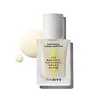
This anti-aging ampoule is formulated around Bakuchiol to soften the look of wrinkles and brighten dull-looking skin.
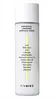
This anti-aging toner is formulated around Niacinamide and Bakuchiol to soften the look of wrinkles and refine skin texture.

What's inside
What's inside
 Key Ingredients
Benefits
Concerns
Ingredients Side-by-side
Myrciaria Dubia Fruit Juice 74%
Antioxidant
Bakuchiol 3%
Antimicrobial








Panthenol
Skin Conditioning

Water
Skin ConditioningPropanediol
Solvent
Glycerin
Humectant
1,2-Hexanediol
Skin Conditioning
Isopentyldiol
Humectant
Dipropylene Glycol
HumectantMethyl Gluceth-20
Humectant
Polyglyceryl-3 Methylglucose Distearate
Emulsifying

Bisabolol
Antioxidant
Hydroxyacetophenone
Antioxidant
Polyacrylate Crosspolymer-6
Emulsion StabilisingCetearyl Olivate
Hippophae Rhamnoides Seed Oil
Skin Protecting
Sorbitan Olivate
Emulsifying
Disodium EDTA
ChelatingGlyceryl Acrylate/Acrylic Acid Copolymer
HumectantEthylhexylglycerin
Skin ConditioningTocopherol
Antioxidant
Caprylyl Glycol
Emollient
Ascorbic Acid
Antioxidant
Sodium Hyaluronate Crosspolymer
Humectant
Hydrolyzed Glycosaminoglycans
HumectantSodium Hyaluronate
Humectant
Ferulic Acid
Antimicrobial
Benzyl Glycol
SolventBeta-Glucan
Skin Conditioning
Hydrolyzed Hyaluronic Acid
Humectant
Hyaluronic Acid
Humectant
Myrciaria Dubia Fruit Juice 74%, Bakuchiol 3%, Panthenol, Water, Propanediol, Glycerin, 1,2-Hexanediol, Isopentyldiol, Dipropylene Glycol, Methyl Gluceth-20, Polyglyceryl-3 Methylglucose Distearate, Bisabolol, Hydroxyacetophenone, Polyacrylate Crosspolymer-6, Cetearyl Olivate, Hippophae Rhamnoides Seed Oil, Sorbitan Olivate, Disodium EDTA, Glyceryl Acrylate/Acrylic Acid Copolymer, Ethylhexylglycerin, Tocopherol, Caprylyl Glycol, Ascorbic Acid, Sodium Hyaluronate Crosspolymer, Hydrolyzed Glycosaminoglycans, Sodium Hyaluronate, Ferulic Acid, Benzyl Glycol, Beta-Glucan, Hydrolyzed Hyaluronic Acid, Hyaluronic Acid
Water
Skin ConditioningGlycerin
Humectant
Methylpropanediol
SolventDipropylene Glycol
HumectantNiacinamide
Smoothing


1,2-Hexanediol
Skin Conditioning
Psoralea Corylifolia Fruit Extract
Skin ConditioningBetaine
Humectant
Simmondsia Chinensis Seed Oil
Emollient
Squalane
Emollient
Pentylene Glycol
Skin Conditioning
Polyglyceryl-4 Caprate
EmulsifyingOriganum Vulgare Leaf Extract
Skin ConditioningSalix Alba Bark Extract
Astringent
Chamaecyparis Obtusa Leaf Extract
Skin ConditioningLactobacillus/Soybean Ferment Extract
Skin ConditioningPortulaca Oleracea Extract
Skin Conditioning
Cinnamomum Cassia Bark Extract
Masking
Scutellaria Baicalensis Root Extract
Astringent
Polyglyceryl-10 Stearate
Skin Conditioning
Collagen Extract
Skin Conditioning
Allantoin
Skin Conditioning
Bakuchiol
Antimicrobial
Inulin Lauryl Carbamate
Emulsion StabilisingEthylhexylglycerin
Skin ConditioningAcrylates/C10-30 Alkyl Acrylate Crosspolymer
Emulsion StabilisingPolyglyceryl-3 Methylglucose Distearate
Emulsifying
Adenosine
Skin Conditioning
Arginine
Masking
Hydrogenated Lecithin
Emulsifying
Disodium EDTA
ChelatingXanthan Gum
EmulsifyingMethyl Glucose Sesquistearate
Emollient
Butylene Glycol
Humectant
Cetearyl Glucoside
Emulsifying
Tocopherol
Antioxidant
Sh-Oligopeptide-1
Skin Conditioning
Water, Glycerin, Methylpropanediol, Dipropylene Glycol, Niacinamide, 1,2-Hexanediol, Psoralea Corylifolia Fruit Extract, Betaine, Simmondsia Chinensis Seed Oil, Squalane, Pentylene Glycol, Polyglyceryl-4 Caprate, Origanum Vulgare Leaf Extract, Salix Alba Bark Extract, Chamaecyparis Obtusa Leaf Extract, Lactobacillus/Soybean Ferment Extract, Portulaca Oleracea Extract, Cinnamomum Cassia Bark Extract, Scutellaria Baicalensis Root Extract, Polyglyceryl-10 Stearate, Collagen Extract, Allantoin, Bakuchiol, Inulin Lauryl Carbamate, Ethylhexylglycerin, Acrylates/C10-30 Alkyl Acrylate Crosspolymer, Polyglyceryl-3 Methylglucose Distearate, Adenosine, Arginine, Hydrogenated Lecithin, Disodium EDTA, Xanthan Gum, Methyl Glucose Sesquistearate, Butylene Glycol, Cetearyl Glucoside, Tocopherol, Sh-Oligopeptide-1
Ingredients Explained
These ingredients are found in both products.
Ingredients higher up in an ingredient list are typically present in a larger amount.
1,2-Hexanediol is a synthetic liquid and another multi-functional powerhouse.
It is a:
- Humectant, drawing moisture into the skin
- Emollient, helping to soften skin
- Solvent, dispersing and stabilizing formulas
- Preservative booster, enhancing the antimicrobial activity of other preservatives
Bakuchiol is a plant-derived antioxidant from the seeds of the Psoralea corylifolia plant. It has antimicrobial, emollient, skin conditioning, and antioxidant properties.
You'll likely see it called a "retinol replacement" but the two are technically not related. This is because bakuchiol is able to flip many of the same switches in your skin cells to tell them to:
1) produce more collagen (type I, III, and IV)
2) activate the same genes retinoids do
Unlike retinoids, this ingredient will not increase photosensitivity and is safe to use during pregnancy (but please still check in with your doctor!).
The flagship clinical trial from Dhaliwal et al. 2019 found 0.5% bakuchiol (twice daily) and 0.5% retinol (once daily) reduced wrinkles and hyperpigmentation equally, but bakuchiol had significantly less irritation.
Systematic reviews also back this up:
Bakuchiol is comparable to retinol for photoaging but with better tolerability. It also has mild antibacterial properties against Cutibacterium acnes and antifungal activity in vitro against Candida and dermatophytes.
The reason bakuchiol works well is due to its structure; it is a meroterpene phenol, or a hybrid molecule. The phenol half acts as an antioxidant while the terpene half is fat-loving. This helps the molecule slip through the skin barrier.
This ingredient is usually used between 0.5-2%. Only one case of contact dermatitis has ever been reported for this ingredient.
Learn more about BakuchiolDipropylene Glycol is a synthetically created humectant, stabilizer, and solvent.
This ingredient helps:
Dipropylene glycol is technically an alcohol, but it belongs to the glycol family (often considered part of the ‘good’ alcohols). This means it is hydrating and gentle on skin unlike drying solvent alcohols like denatured alcohol.
As a masking agent, Dipropylene Glycol can be used to cover the smell of other ingredients. However, it does not have a scent.
Studies show Dipropylene Glycol is considered safe to use in skincare.
Learn more about Dipropylene GlycolDisodium EDTA is a chelating agent. It grabs onto and deactivates metal ions that sneak into your products from water, packaging, or air.
This ingredient mainly works behind the scenes and helps with:
On top of that, this ingredient can counteract the effects of hard water by binding to the minerals in it.
One thing worth knowing is that Disodium EDTA has been shown to be a mild penetration enhancer. It can help other ingredients absorb into skin more effectively which can be a double-edged sword (great for actives, but can also make the active too strong if you have sensitive skin).
Clinical patch testing showed no significant skin irritation at typical use concentrations and minimal dermal absorption.
You'll most likely see this ingredient near the end of an ingredient list. It's typically found in concentrations less than 1%.
Learn more about Disodium EDTAEthylhexylglycerin is created from glycerin. It is a multitasker ingredient that:
The CIR Expert Panel found minimal skin absorption or sensitization of any kind in a safety assessment. Though this ingredient is considered well-tolerated, a small number of cases of allergic dermatitis have been published since 2002. Just be sure to patch test if you are unsure.
Industry-reported use ranges from 8% in rinse-off products and 2% in leave-on formulations.
Learn more about EthylhexylglycerinGlycerin (or glycerol) is a compound naturally found in your skin. It's a powerhouse humectant that pulls water into the stratum corneum.
Topically, glycerin does several things at once:
Your skin makes glycerin on its own (mostly from sebaceous oil breakdown) and shuttles it to your outermost layer of skin, or your epidermis, via aquaporin-3.
Aquaporin-3 is a transporter that is essential for normal skin hydration, elasticity, and repair. Interestingly, mice lacking in AQP3 have dry and less elastic skin that can be fully corrected with glycerin.
This ingredient is non-irritating, plays well with almost every ingredient, and works across all skin types. Typical use is anywhere between 3-10% but can go up to 79% in some leave-on products.
Just know very high concentrations (>40%) can feel tacky in low humidity.
Glycerin is the name for this ingredient in American English. British English uses Glycerol/Glycerine.
Learn more about GlycerinPolyglyceryl-3 Methylglucose Distearate is a plant-derived emulsifier whose only job is to keep the oily and watery parts of a formula blended so it doesn't separate into layers.
It's compatible with a wide-range of active ingredients and especially good at making emulsions survive heat/freeze cycles.
Typical use concentrations range from 2-3% and it works across a pH of 4.5-8.5.
This ingredient has been found safe to use in cosmetics and has a low irritation profile.
Because it's build on stearic acid, it may not be fungal acne safe. Stearic acid is a C18 fatty acid that falls within the range (C11-24) that Malassezia can feed on.
Learn more about Polyglyceryl-3 Methylglucose DistearateTocopherol is a fat-soluble antioxidant known as Vitamin E.
You'll find this ingredient in the vast majority of skincare (for good reason). It works to neutralize free radicals, or unstable molecules generated by UV exposure, pollution, and other environmental stressors, before they can cause oxidative damage to your skin cells.
Topically applied tocopherol has been shown to protect against UV damage by ramping up the skin's own natural defense enzymes.
It also acts as a skin conditioning agent; some studies show that regular topical use can improve the skin's water-binding capacity over 2-4 weeks.
This ingredient is especially loved for being a team player. When combined with Vitamin C, the photoprotective effect of both ingredients roughly doubles and the combo also helps reduce UV-induced DNA damage.
This ingredient has some brightening potential but it's more of a prevention ingredient than spot-fader. Cell studies show it can slow down melanin production but it's worth noting that it's not the most powerful brightener out there.
In formulations, it also serves as a stabilizer that helps protect other oxidation-prone ingredients from degrading.
Concentrations usually range from 0.1-1% in most leave-on products.
Learn more about TocopherolWater. It's the most common cosmetic ingredient of all. You'll usually see it at the top of ingredient lists, meaning that it makes up the largest part of the product.
So why is it so popular? Water most often acts as a solvent - this means that it helps dissolve other ingredients into the formulation.
You'll also recognize water as that liquid we all need to stay alive. If you see this, drink a glass of water. Remember to stay hydrated!
Learn more about Water

