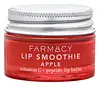
This smoothing lip moisturizer is formulated around Tetrahexyldecyl Ascorbate and Palmitoyl Tripeptide-1 to refine skin texture.
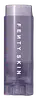
This barrier-repair lip moisturizer is formulated around Butyrospermum Parkii Butter to strengthen the lip barrier and hydrate lips.

What's inside
What's inside
 Key Ingredients
Benefits
Concerns
Ingredients Side-by-side
Hydrogenated Polyisobutene
EmollientDiisostearyl Malate
EmollientPhytosteryl/Isostearyl/Cetyl/Stearyl/Behenyl Dimer Dilinoleate
Skin Conditioning

Caprylic/Capric Triglyceride
Masking


Polybutene
Mangifera Indica Seed Butter
Skin Conditioning
Synthetic Wax
Abrasive

Ethylene/Propylene/Styrene Copolymer
Euphorbia Cerifera Wax
Brassica Campestris/Aleurites Fordi Oil Copolymer
Skin Conditioning
Butyrospermum Parkii Butter
Skin Conditioning

Tetrahexyldecyl Ascorbate
Antioxidant






Palmitoyl Tripeptide-1
Skin Conditioning

Pyrus Malus Fruit Extract
Skin Conditioning
Glycerin
Humectant
Moringa Oleifera Seed Oil
Emollient
Curcuma Longa Leaf Extract
Skin ConditioningSolanum Melongena Fruit Extract
Skin ConditioningCoccinia Indica Fruit Extract
Skin Conditioning
Ocimum Sanctum Leaf Extract
Skin ConditioningCorallina Officinalis Extract
Skin Conditioning
Melia Azadirachta Leaf Extract
Skin ConditioningMelia Azadirachta Flower Extract
Skin ConditioningMelia Azadirachta Extract
Skin ConditioningTocopherol
Antioxidant

Tribehenin
Emollient
Ethylhexyl Palmitate
Emollient
Glyceryl Caprylate
EmollientMalic Acid
Buffering

Lactic Acid
Buffering
Sorbitan Isostearate
Emulsifying
Amber Powder
Pentaerythrityl Tetra-Di-T-Butyl Hydroxyhydrocinnamate
Antioxidant
Butylene/Ethylene/Styrene Copolymer
Aroma


Limonene
Perfuming
Hydrogenated Polyisobutene, Diisostearyl Malate, Phytosteryl/Isostearyl/Cetyl/Stearyl/Behenyl Dimer Dilinoleate, Caprylic/Capric Triglyceride, Polybutene, Mangifera Indica Seed Butter, Synthetic Wax, Ethylene/Propylene/Styrene Copolymer, Euphorbia Cerifera Wax, Brassica Campestris/Aleurites Fordi Oil Copolymer, Butyrospermum Parkii Butter, Tetrahexyldecyl Ascorbate, Palmitoyl Tripeptide-1, Pyrus Malus Fruit Extract, Glycerin, Moringa Oleifera Seed Oil, Curcuma Longa Leaf Extract, Solanum Melongena Fruit Extract, Coccinia Indica Fruit Extract, Ocimum Sanctum Leaf Extract, Corallina Officinalis Extract, Melia Azadirachta Leaf Extract, Melia Azadirachta Flower Extract, Melia Azadirachta Extract, Tocopherol, Tribehenin, Ethylhexyl Palmitate, Glyceryl Caprylate, Malic Acid, Lactic Acid, Sorbitan Isostearate, Amber Powder, Pentaerythrityl Tetra-Di-T-Butyl Hydroxyhydrocinnamate, Butylene/Ethylene/Styrene Copolymer, Aroma, Limonene
Butyrospermum Parkii Butter
Skin Conditioning
Bis-Diglyceryl Polyacyladipate-2
Emollient
Mangifera Indica Seed Butter
Skin Conditioning
Diisostearyl Malate
EmollientHydrogenated Polyisobutene
EmollientSynthetic Beeswax
Emulsion Stabilising
Polymethylsilsesquioxane

Silica
Abrasive
Dimethicone
Emollient
Bis-Behenyl/Isostearyl/Phytosteryl Dimer Dilinoleyl Dimer Dilinoleate
EmollientCetyl Ricinoleate
Emollient
Synthetic Fluorphlogopite
CI 77220
Cosmetic ColorantHelianthus Annuus Seed Oil
Emollient
Persea Gratissima Oil
Skin Conditioning
Synthetic Wax
Abrasive
Sucrose Tetrastearate Triacetate
Emollient
Theobroma Cacao Seed Butter
Emollient
Tribehenin
Emollient
Euphorbia Cerifera Cera
Astringent
Prunus Avium Seed Oil
Emollient
Malpighia Punicifolia Fruit Extract
Antioxidant
Astrocaryum Murumuru Seed Butter
Emollient
Tocopheryl Acetate
Antioxidant
Tocopherol
Antioxidant
Glycine Soja Oil
Emollient
Caprylic/Capric Triglyceride
Masking
Stevioside
MaskingTriethoxycaprylylsilane
Dehydroacetic Acid
Preservative
Dimethicone/Vinyl Dimethicone Crosspolymer
Skin Conditioning
Parfum
Masking
Phenoxyethanol
Preservative
Butyrospermum Parkii Butter, Bis-Diglyceryl Polyacyladipate-2, Mangifera Indica Seed Butter, Diisostearyl Malate, Hydrogenated Polyisobutene, Synthetic Beeswax, Polymethylsilsesquioxane, Silica, Dimethicone, Bis-Behenyl/Isostearyl/Phytosteryl Dimer Dilinoleyl Dimer Dilinoleate, Cetyl Ricinoleate, Synthetic Fluorphlogopite, CI 77220, Helianthus Annuus Seed Oil, Persea Gratissima Oil, Synthetic Wax, Sucrose Tetrastearate Triacetate, Theobroma Cacao Seed Butter, Tribehenin, Euphorbia Cerifera Cera, Prunus Avium Seed Oil, Malpighia Punicifolia Fruit Extract, Astrocaryum Murumuru Seed Butter, Tocopheryl Acetate, Tocopherol, Glycine Soja Oil, Caprylic/Capric Triglyceride, Stevioside, Triethoxycaprylylsilane, Dehydroacetic Acid, Dimethicone/Vinyl Dimethicone Crosspolymer, Parfum, Phenoxyethanol
Reviews
Ingredients Explained
These ingredients are found in both products.
Ingredients higher up in an ingredient list are typically present in a larger amount.
This ingredient is also known as shea butter. It is a plant-derived extract from the nuts of the Africa shea tree and one of the most well-studied emollients.
Because it has a high concentration of fatty acids (primarily oleic, stearic, and linoleic) it is able to form a protective barrier on the skin's surface. This helps seal in moisture and prevents transepidermal water loss (TEWL).
In vitro research found an increase in skin hydration by 58% and a decrease in TEWL by 37.8% after 24 hours of applying this ingredient (pretty impressive for a single ingredient!).
Besides hydration, shea butter also contains triterpenes that have anti-inflammatory potential. In particule, lupeol cinnamate has shown the highest anti-inflammatory activity in vivo.
Shea butter also contains vitamins A and E which may contribute to antioxidant activity.
While Shea Butter has an SPF rating of about 3-4, it is not a sunscreen replacement.
This ingredient may not be fungal acne safe because its fatty acids fall within the C11-C24 range that the Malassezia yeast can metabolize.
This ingredient shows up on a lot of "pore-clogging" lists but there's no real evidence behind that. It doesn't even have a comedogenic rating from an actual study; the numbers you'll find online come from blogs citing other blogs.
Ratings for other ingredients mostly come from a 1980s rabbit ear test. This test doesn't translate well to human skin or to real products because the ingredient sits at a much lower percentage.
Some people still find it breaks them out. So if that's you, definitely trust your skin. Just know this one's based on experience and not evidence.
Learn more about Butyrospermum Parkii ButterCaprylic/Capric Triglyceride (aka MCT Oil) is a lightweight emollient, solvent, and texture enhancer. It is considered a skin-softener by helping to prevent moisture loss.
Though it behaves like an oil, it is not technically one due to its chemical composition. One perk of this ingredient is that it is very stable, resistant to oxidation, and unlikely to go rancid.
In practice, that translates to a long shelf life and a consistently elegant skin feel.
While there is an assumption Caprylic Triglyceride can clog pores due to it being derived from coconut oil, there is no research supporting this. Just patch test if you have concerns.
Fractionated coconut oil and MCT Oil are both listed as Caprylic/Capric Triglyceride according to INCI. This is because INCI names are based on the ingredient’s final chemical composition and not its marketing name or source.
This ingredient is treated as the gold standard fungal acne safe oil. Even though it is coconut derived, the problematic lauric acid is stripped out.
This leaves just caprylic (C8) and capric (C10) acid. These chain lengths actually trend antifungal; a 2020 study found caprylic acid was enough to disrupt Malassezia furfur cell membrane, with a caprylic acid derivative damaging membrane structures at concentrations as low as 0.2%.
Learn more about Caprylic/Capric TriglycerideDiisostearyl Malate is an emollient and most often used in lip products. It comes from isostearyl alcohol, a fatty acid, and malic acid, an AHA.
As an emollient, Diisostearyl Malate helps create a thin film on your skin to trap moisture in. This helps keep your skin soft and smooth.
Hydrogenated Polyisobutene is a synthetic polymer. Polymers are compounds with high molecular weight. Hydrogenated Polyisobutene is an emollient and texture enhancer.
In one study, Hydrogenated Polyisobutene showed better skin hydration levels than Caprylic/Capric Triglyceride. As an emollient, it helps keep your skin soft and hydrated by trapping moisture in.
Hydrogenated Polyisobutene is often used as a mineral oil replacement.
Learn more about Hydrogenated PolyisobuteneThough this ingredient might sound like a juicy fruit extract, it's actually the fat pressed from the mango seed kernel (or the pit).
In skincare, it behaves more like shea butter and cocoa butter than like a plant active.
The fatty acid makeup of mango seed butter makes it special; it's typically rich in stearic acid and oleic acid, with small amounts of palmitic and linoleic acid.
This combo helps it melt on skin, feel creamy, and leave behind a protective "seal" that slows down water loss.
It also contains a small amount of "extras" like tocopherols (vitamin E) and phytosterols, which are often used to support skin soothing.
Due to its fatty acid content (like oleic acid), this ingredient may not be fungal acne safe. In vitro studies have shown that Oleic Acid is one of the fatty acids that induce rapid Malassezia growth in lab settings.
Learn more about Mangifera Indica Seed ButterSynthetic Wax is a manufactured hydrocarbon wax. In formulas, it works as an occlusive emollient that helps reduce water loss and improves the spreadability of products.
Research comparing synthetic wax to traditional mineral-derived products found that formulas containing it perform as well for skin hydration.
It is considered non-comedogenic and vegan-friendly.
This ingredient has a well-established safety record by the CIR Expert Panel for Cosmetic Ingredient Safety.
Synthetic Waxes are straight/branched-chain hydrocarbons with no ester bond or fatty acids. That means there is nothing for the Malassezia yeast to feed on.
Learn more about Synthetic WaxTocopherol is a fat-soluble antioxidant known as Vitamin E.
You'll find this ingredient in the vast majority of skincare (for good reason). It works to neutralize free radicals, or unstable molecules generated by UV exposure, pollution, and other environmental stressors, before they can cause oxidative damage to your skin cells.
Topically applied tocopherol has been shown to protect against UV damage by ramping up the skin's own natural defense enzymes.
It also acts as a skin conditioning agent; some studies show that regular topical use can improve the skin's water-binding capacity over 2-4 weeks.
This ingredient is especially loved for being a team player. When combined with Vitamin C, the photoprotective effect of both ingredients roughly doubles and the combo also helps reduce UV-induced DNA damage.
This ingredient has some brightening potential but it's more of a prevention ingredient than spot-fader. Cell studies show it can slow down melanin production but it's worth noting that it's not the most powerful brightener out there.
In formulations, it also serves as a stabilizer that helps protect other oxidation-prone ingredients from degrading.
Concentrations usually range from 0.1-1% in most leave-on products.
Learn more about TocopherolTribehenin is the triglyceride of glycerin and behenic acid. It is an emollient that helps soften and condition skin.
Safety-wise, this is a well-vetted ingredient. Repeated-insult patch tests of 0.38% tribehenin did not trigger sensitization.
This ingredient may not be fungal acne safe because behenic acid falls into the chain-length range that Malassezia yeasts can feed on.
Learn more about Tribehenin

