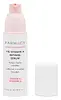
This anti-aging serum is formulated around Retinal and Retinol to soften the look of wrinkles and refine skin texture.
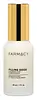
This hydrating serum is formulated around Hyaluronic Acid and Sodium Hyaluronate to hydrate skin and soften the look of wrinkles.

What's inside
What's inside
 Key Ingredients
Benefits
Concerns
Ingredients Side-by-side
Water
Skin ConditioningGlycerin
Humectant


Caprylic/Capric Triglyceride
Masking
Isopentyldiol
Humectant
Trioctyldodecyl Citrate
EmollientCitrullus Lanatus Seed Oil
Emollient



1,2-Hexanediol
Skin Conditioning
Rubus Idaeus Seed Oil
Emollient
Panthenol
Skin Conditioning
Triolein
Skin Conditioning
Retinal
Skin Conditioning








Ceramide NP
Skin Conditioning
Tocopherol
Antioxidant

Retinol
Skin Conditioning
Tocopheryl Acetate
Antioxidant
Haematococcus Pluvialis Extract
Antioxidant
Hydroxyethyl Acrylate/Sodium Acryloyldimethyl Taurate Copolymer
Emulsion StabilisingCopernicia Cerifera Wax
Pongamia Glabra Seed Oil
Skin Conditioning
Glyceryl Dioleate
Emollient
Bisabolol
Antioxidant
Allantoin
Skin Conditioning
Dunaliella Salina Extract
Skin ConditioningEthyl Ferulate
Antioxidant
Humulus Lupulus Extract
AntimicrobialZingiber Officinale Root Extract
Masking
Arginine
Masking
Propanediol
Solvent
Cellulose Gum
Emulsion StabilisingSclerotium Gum
Emulsion StabilisingUbiquinone
Antioxidant
Lactic Acid
Buffering

Sodium Phytate
ChelatingCaprylyl Glycol
Emollient
Inulin
Skin Conditioning
Disodium Cocoamphodiacetate
CleansingHelianthus Annuus Seed Oil
Emollient
Polysorbate 20
Emulsifying
Citric Acid
Buffering
Cellulose
Absorbent
Fructose
Humectant
Glucose
Humectant
Sorbitan Isostearate
Emulsifying
Xanthan Gum
EmulsifyingWater, Glycerin, Caprylic/Capric Triglyceride, Isopentyldiol, Trioctyldodecyl Citrate, Citrullus Lanatus Seed Oil, 1,2-Hexanediol, Rubus Idaeus Seed Oil, Panthenol, Triolein, Retinal, Ceramide NP, Tocopherol, Retinol, Tocopheryl Acetate, Haematococcus Pluvialis Extract, Hydroxyethyl Acrylate/Sodium Acryloyldimethyl Taurate Copolymer, Copernicia Cerifera Wax, Pongamia Glabra Seed Oil, Glyceryl Dioleate, Bisabolol, Allantoin, Dunaliella Salina Extract, Ethyl Ferulate, Humulus Lupulus Extract, Zingiber Officinale Root Extract, Arginine, Propanediol, Cellulose Gum, Sclerotium Gum, Ubiquinone, Lactic Acid, Sodium Phytate, Caprylyl Glycol, Inulin, Disodium Cocoamphodiacetate, Helianthus Annuus Seed Oil, Polysorbate 20, Citric Acid, Cellulose, Fructose, Glucose, Sorbitan Isostearate, Xanthan Gum
Water
Skin ConditioningIsoamyl Laurate
Emollient
1,2-Hexanediol
Skin Conditioning
Isopentyldiol
Humectant
Inositol
Humectant
Glycerin
Humectant
Inulin
Skin Conditioning
Arginine
Masking
Dipalmitoyl Hydroxyproline
Skin Conditioning
Hyaluronic Acid
Humectant
Sodium Hyaluronate
Humectant
Thymus Vulgaris Flower/Leaf Extract
MaskingHoney Extract
Humectant
Propolis Extract
Skin Conditioning
Royal Jelly Extract
Skin Conditioning
Sh-Polypeptide-123
Skin Protecting
Curcuma Longa Root Extract
Antioxidant
Diisostearyl Malate
EmollientMaltooligosyl Glucoside
Skin ConditioningPropanediol
Solvent
Bis-Diglyceryl Polyacyladipate-1
Emollient
Hydrogenated Starch Hydrolysate
HumectantGlycogen
HumectantCeratonia Siliqua Gum
EmollientMelia Azadirachta Leaf Extract
Skin ConditioningSodium Phytate
ChelatingMelia Azadirachta Flower Extract
Skin ConditioningCorallina Officinalis Extract
Skin Conditioning
Cellulose
Absorbent
Fructose
Humectant
Glucose
Humectant
Ocimum Basilicum Flower/Leaf Extract
TonicOrmenis Multicaulis Oil
Masking
Ocimum Sanctum Leaf Extract
Skin ConditioningAroma

Arachidyl Alcohol
Emollient
Citrus Aurantium Amara Flower Extract
RefreshingBehenyl Alcohol
Emollient
Sclerotium Gum
Emulsion StabilisingArachidyl Glucoside
EmulsifyingCellulose Gum
Emulsion StabilisingCetearyl Alcohol
Emollient
Lecithin
Emollient
Limonene
Perfuming
Linalool
Perfuming
Xanthan Gum
EmulsifyingWater, Isoamyl Laurate, 1,2-Hexanediol, Isopentyldiol, Inositol, Glycerin, Inulin, Arginine, Dipalmitoyl Hydroxyproline, Hyaluronic Acid, Sodium Hyaluronate, Thymus Vulgaris Flower/Leaf Extract, Honey Extract, Propolis Extract, Royal Jelly Extract, Sh-Polypeptide-123, Curcuma Longa Root Extract, Diisostearyl Malate, Maltooligosyl Glucoside, Propanediol, Bis-Diglyceryl Polyacyladipate-1, Hydrogenated Starch Hydrolysate, Glycogen, Ceratonia Siliqua Gum, Melia Azadirachta Leaf Extract, Sodium Phytate, Melia Azadirachta Flower Extract, Corallina Officinalis Extract, Cellulose, Fructose, Glucose, Ocimum Basilicum Flower/Leaf Extract, Ormenis Multicaulis Oil, Ocimum Sanctum Leaf Extract, Aroma, Arachidyl Alcohol, Citrus Aurantium Amara Flower Extract, Behenyl Alcohol, Sclerotium Gum, Arachidyl Glucoside, Cellulose Gum, Cetearyl Alcohol, Lecithin, Limonene, Linalool, Xanthan Gum
Reviews
Ingredients Explained
These ingredients are found in both products.
Ingredients higher up in an ingredient list are typically present in a larger amount.
1,2-Hexanediol is a synthetic liquid and another multi-functional powerhouse.
It is a:
- Humectant, drawing moisture into the skin
- Emollient, helping to soften skin
- Solvent, dispersing and stabilizing formulas
- Preservative booster, enhancing the antimicrobial activity of other preservatives
Arginine is a semi-essential amino acid. This just means our bodies can product a bit on its own, but sometimes needs a little boost from food sources.
It is a part of your skin's natural moisturizing factor (NMF), or the water-loving molecules in your outermost layer of skin (stratum corneum) that keeps everything hydrated and happy.
Here's an interesting thing about Arginine: your skin converts it into urea through the Krebs-Henseleit urea cycle. Urea is one of the most effective humectants your skin naturally produces.
A clinical study showed applying 2.5% arginine hydrochloride to atopic dermatitis skin showed significant urea levels in the stratum corneum and improved moisture in just four weeks.
Arginine is also a precursor to nitric oxide; nitric oxide improves microcirculation and supports wound healing and collagen synthesis.
One study found that an amino acid complex containing Arginine reduced skin irritation, improved hydration, and accelerated skin repair in clinical / in-vivo studies.
Arginine itself is an amino acid and not a fatty acid, oil, or ester. On its own, it's not a direct food source for Malassezia, or the yeast that causes fungal acne.
Learn more about ArginineCellulose is the main component of plant cell walls. It is used as an emulsifier, absorbent, and texture enhancer.
This ingredient has many functions:
Fun fact: Cellulose is the most abundant form of organic polymer on Earth.
Learn more about CelluloseCellulose Gum is a water-soluble polymer that comes from cellulose. It is used to change the texture of a product and to help stabilize emulsions.
As an emulsifier, cellulose gum specifically thicken the texture of water-based products.
This ingredient is considered hypoallergenic and non-toxic. Cellulose Gum can be found in cosmetics, food, and other household goods such as paper products.
Learn more about Cellulose GumGlucose is a simple sugar (a monosaccharide). In skincare, it is mostly a humectant and skin conditioning agent.
Mechanistically, it has multiple hydroxyl groups that hydrogen-bond to water. This pulls moisture into the upper layers of skin to keep the surface soft and hydrated.
It's worth knowing sugars are already a natural component of the skin's NMF (natural moisturizing factor) so it's a molecule that your stratum corneum is well-acquainted with.
Just so you know, glucose is hydrophilic (water-loving) and the stratum corneum is a strong barrier to hydrophilic compounds. This just means penetration is slow and most of the action is happening on the surface.
Gram-to-gram, glucose is not as efficient as a humectant as glycerin. This is why you'll likely see glycose paired with stronger humectants for a bigger hydration payoff.
In skincare, glucose is typically derived from corn or other starch sources.
Learn more about GlucoseGlycerin (or glycerol) is a compound naturally found in your skin. It's a powerhouse humectant that pulls water into the stratum corneum.
Topically, glycerin does several things at once:
Your skin makes glycerin on its own (mostly from sebaceous oil breakdown) and shuttles it to your outermost layer of skin, or your epidermis, via aquaporin-3.
Aquaporin-3 is a transporter that is essential for normal skin hydration, elasticity, and repair. Interestingly, mice lacking in AQP3 have dry and less elastic skin that can be fully corrected with glycerin.
This ingredient is non-irritating, plays well with almost every ingredient, and works across all skin types. Typical use is anywhere between 3-10% but can go up to 79% in some leave-on products.
Just know very high concentrations (>40%) can feel tacky in low humidity.
Glycerin is the name for this ingredient in American English. British English uses Glycerol/Glycerine.
Learn more about GlycerinInulin is a polysaccharide (carbohydrate) with prebiotic and antioxidant properties.
The majority of inulin is extracted from chicory, but can also be obtained from other plants such as garlic, onion, asparagus, and sugarcane.
Studies show inulin may help with controlling your skin's natural microbiota when applied topically.
The antioxidant potential of inulin varies depending on the source.
Learn more about InulinIsopentyldiol is a synthetic solvent, humectant, and emollient.
Humectants have the ability to attract and hold water while emollients create a thin film to prevent water from evaporating. This combination keeps your skin and hair soft and hydrated. Plus, isopentyldiol does not leave a sticky feeling behind.
As a surfactant, isopentyldiol is a hydrotrope. Hydrotropes help surfactants (cleansing agents) dissolve into water.
According to the manufacturer, using this ingredient with sorbitol boosts skin hydration and helps close cuticles of damaged hair.
This ingredient is water-soluble.
Learn more about IsopentyldiolPropanediol is an all-star ingredient. It softens, hydrates, and smooths the skin.
It’s often used to:
Propanediol is not likely to cause sensitivity and considered safe to use. It is derived from corn or petroleum with a clear color and no scent.
Learn more about PropanediolSclerotium Gum is a natural sugar-based fiber made by fermenting a fungus called Sclerotium rolfsii. It's often used as the plant-friendly alternative for synthetic thickeners like carbomer.
In skincare, it works as a thickener, gel former, and stabilizer that keeps heavy ingredients suspended so a product does not separate.
It is non-ionic and forms a triple helix in solution. This is just a fancy way of saying it builds a smooth, cushiony, and non-sticky gel that feels silkier than many other gums.
Another perk of this ingredient is that it is very sturdy and holds up across a wide pH range (~2-11). It's also good at resisting heat and hydrolysis.
Since it holds water at the skin surface, it can provide some light hydration as well.
Typical use levels are around 0.25-2%; formulators usually use 0.2-0.5% to thicken lotions and up to 2% for a firmer gel base.
This ingredient has been found safe in cosmetics with no meaningful evidence of skin sensitization.
Learn more about Sclerotium GumSodium Phytate is the sodium salt of Phytic acid, a compound that plants store phosphorus in. It's the plant-derived alternative to ingredients like Disodium EDTA.
In skincare, this ingredient is a chelator that grabs onto trace metal ions like iron and copper that sneak into formulas through water/raw materials.
Those metals speed up oxidation so binding them keeps oils, fragrance, and actives from going off, stops color changes, and helps the preservative system work harder.
Survey data shows usage levels range from 0.0099%-0.5% in leave-on products, 0.025%-0.3% in rinse-off, and up to 0.05% in eye-area products. Suppliers typically recommend a range between 0.05-0.5%.
Learn more about Sodium PhytateWater. It's the most common cosmetic ingredient of all. You'll usually see it at the top of ingredient lists, meaning that it makes up the largest part of the product.
So why is it so popular? Water most often acts as a solvent - this means that it helps dissolve other ingredients into the formulation.
You'll also recognize water as that liquid we all need to stay alive. If you see this, drink a glass of water. Remember to stay hydrated!
Learn more about WaterXanthan gum is used as a stabilizer and thickener within cosmetic products. It helps give products a sticky, thick feeling - preventing them from being too runny.
On the technical side of things, xanthan gum is a polysaccharide - a combination consisting of multiple sugar molecules bonded together.
Xanthan gum is a pretty common and great ingredient. It is a natural, non-toxic, non-irritating ingredient that is also commonly used in food products.
Learn more about Xanthan Gum

