
What's inside
What's inside
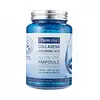 Key Ingredients
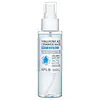
Benefits
Concerns
Ingredients Side-by-side
Water
Skin ConditioningHyaluronic Acid
Humectant




Butylene Glycol
Humectant
Niacinamide
Smoothing








Hydrolyzed Collagen
Emollient
Glycerin
Humectant
Phenoxyethanol
Preservative
Caprylyl Glycol
Emollient
PEG-60 Hydrogenated Castor Oil
Emulsifying

Jojoba Esters
Emollient
Tocopheryl Acetate
Antioxidant

Ascorbyl Palmitate
Antioxidant
Lactose
HumectantCellulose
Absorbent
Hydroxypropyl Methylcellulose
Emulsion StabilisingCarbomer
Emulsion StabilisingTriethanolamine
BufferingHamamelis Virginiana Extract
Antiseborrhoeic


Simmondsia Chinensis Seed Extract
Abrasive
Jania Rubens Extract
Skin ConditioningGlycyrrhiza Glabra Root Extract
Bleaching
Camellia Sinensis Leaf Extract
Antimicrobial
Xanthan Gum
EmulsifyingDisodium EDTA
Adenosine
Skin Conditioning
Parfum
Masking

Water, Hyaluronic Acid, Butylene Glycol, Niacinamide, Hydrolyzed Collagen, Glycerin, Phenoxyethanol, Caprylyl Glycol, PEG-60 Hydrogenated Castor Oil, Jojoba Esters, Tocopheryl Acetate, Ascorbyl Palmitate, Lactose, Cellulose, Hydroxypropyl Methylcellulose, Carbomer, Triethanolamine, Hamamelis Virginiana Extract, Simmondsia Chinensis Seed Extract, Jania Rubens Extract, Glycyrrhiza Glabra Root Extract, Camellia Sinensis Leaf Extract, Xanthan Gum, Disodium EDTA, Adenosine, Parfum
Water
Skin ConditioningCentella Asiatica Leaf Water
Skin Conditioning
Butylene Glycol
Humectant
Glycerin
Humectant
Dipropylene Glycol
Humectant1,2-Hexanediol
Skin Conditioning
Hydroxyethyl Urea
Humectant
Panthenol
Skin Conditioning
Propanediol
Solvent
Hydroxyacetophenone
Antioxidant
Allantoin
Skin Conditioning
Sodium Citrate
BufferingCitric Acid
Buffering
Melia Azadirachta Leaf Extract
Skin ConditioningMelia Azadirachta Flower Extract
Skin ConditioningDipotassium Glycyrrhizate
Humectant
Coccinia Indica Fruit Extract
Skin ConditioningSolanum Melongena Fruit Extract
Skin ConditioningOctyldodecanol
Emollient
Ocimum Sanctum Leaf Extract
Skin ConditioningStyrene/Acrylates Copolymer
Sodium Hyaluronate
Humectant
Curcuma Longa Root Extract
Masking
Corallina Officinalis Extract
Skin Conditioning
Hydrogenated Lecithin
Emulsifying
Ceramide NP
Skin Conditioning
Phytosteryl/Octyldodecyl Lauroyl Glutamate
Skin ConditioningTea-Lauroyl Glutamate
CleansingSqualane
Emollient
Asiaticoside
Antioxidant
Madecassic Acid
Skin Conditioning
Asiatic Acid
Skin Conditioning
Melaleuca Alternifolia Leaf Extract
Perfuming
Hippophae Rhamnoides Fruit Extract
Skin Conditioning
Hydrolyzed Collagen
Emollient
Beta-Glucan
Skin Conditioning
Caprylyl Glycol
Emollient
Nelumbium Speciosum Flower Extract
Skin ConditioningArtemisia Annua Extract
MaskingOryza Sativa Extract
Absorbent
Saccharomyces Ferment
Skin Conditioning
Water, Centella Asiatica Leaf Water, Butylene Glycol, Glycerin, Dipropylene Glycol, 1,2-Hexanediol, Hydroxyethyl Urea, Panthenol, Propanediol, Hydroxyacetophenone, Allantoin, Sodium Citrate, Citric Acid, Melia Azadirachta Leaf Extract, Melia Azadirachta Flower Extract, Dipotassium Glycyrrhizate, Coccinia Indica Fruit Extract, Solanum Melongena Fruit Extract, Octyldodecanol, Ocimum Sanctum Leaf Extract, Styrene/Acrylates Copolymer, Sodium Hyaluronate, Curcuma Longa Root Extract, Corallina Officinalis Extract, Hydrogenated Lecithin, Ceramide NP, Phytosteryl/Octyldodecyl Lauroyl Glutamate, Tea-Lauroyl Glutamate, Squalane, Asiaticoside, Madecassic Acid, Asiatic Acid, Melaleuca Alternifolia Leaf Extract, Hippophae Rhamnoides Fruit Extract, Hydrolyzed Collagen, Beta-Glucan, Caprylyl Glycol, Nelumbium Speciosum Flower Extract, Artemisia Annua Extract, Oryza Sativa Extract, Saccharomyces Ferment
Reviews
Ingredients Explained
These ingredients are found in both products.
Ingredients higher up in an ingredient list are typically present in a larger amount.
Butylene Glycol (or BG) is used within cosmetic products for a few different reasons:
Overall, Butylene Glycol is a safe and well-rounded ingredient that works well with other ingredients.
Though this ingredient works well with most skin types, some people with sensitive skin may experience a reaction such as allergic rashes, closed comedones, or itchiness.
Learn more about Butylene GlycolCaprylyl Glycol is a humectant, skin conditioner, emollient, and preservative booster derived from either caprylic acid or synthetically created.
Typical use levels vary from 0.3-1% as a preservative booster and go up to 2% to condition skin.
Because it is not a free-fatty acid or alcohol, this ingredient is fungal acne safe (there's nothing for Malassezia to feed on).
Learn more about Caprylyl GlycolGlycerin (or glycerol) is a compound naturally found in your skin. It's a powerhouse humectant that pulls water into the stratum corneum.
Topically, glycerin does several things at once:
Your skin makes glycerin on its own (mostly from sebaceous oil breakdown) and shuttles it to your outermost layer of skin, or your epidermis, via aquaporin-3.
Aquaporin-3 is a transporter that is essential for normal skin hydration, elasticity, and repair. Interestingly, mice lacking in AQP3 have dry and less elastic skin that can be fully corrected with glycerin.
This ingredient is non-irritating, plays well with almost every ingredient, and works across all skin types. Typical use is anywhere between 3-10% but can go up to 79% in some leave-on products.
Just know very high concentrations (>40%) can feel tacky in low humidity.
Glycerin is the name for this ingredient in American English. British English uses Glycerol/Glycerine.
Learn more about GlycerinHydrolyzed collagen has a misleading name because it is actually a mixture of various proteins/peptides. This ingredient has skin hydrating properties.
Collagen is the most abundant type of structural protein found in your body. In your skin, it is responsible for keeping it firm and youthful.
Hydrolyzed Collagen is created by breaking up proteins into smaller peptide bonds. These peptides act as humectants and emollients.
Humectants are great at holding onto water, keeping skin hydrated. Emollients create a thin barrier on the skin to prevent moisture from escaping.
There is ongoing debate about whether hydrolyzed collagen works because it increases skin hydration. Skin hydration is also linked to elasticity and the appearance of wrinkles.
Collagen or peptide ingredients can be used in the morning or night. They will not increase sun sensitivity, but you should always wear sunscreen during the day.
According to a manufacturer, this ingredient is a great hair conditioner as well.
This ingredient can be extracted from different sources, including:
Vegan collagen is derived from yeast, bacteria, or plant sources. Vegan collagen would go by a different INCI name, such as hydrolyzed soy protein.
The results are varied.
A study from 2021 found hydrolyzed collagen increased elasticity and improved wrinkles in 1,125 participants between age 20 and 70. Another study found increased skin thickness in participants between the ages of 45 to 59.
However, It is difficult to prove that oral collagen will end up working on your skin. Many of the studies using hydrolyzed collagen also add several vitamins and nutrients into the test mixture as well.
Further studies are needed at this time.
Learn more about Hydrolyzed CollagenWater. It's the most common cosmetic ingredient of all. You'll usually see it at the top of ingredient lists, meaning that it makes up the largest part of the product.
So why is it so popular? Water most often acts as a solvent - this means that it helps dissolve other ingredients into the formulation.
You'll also recognize water as that liquid we all need to stay alive. If you see this, drink a glass of water. Remember to stay hydrated!
Learn more about Water
