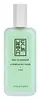
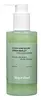
Facetory Gel Cleanser With Fermented Pear + LHA Versus Veganifect Clean & Glow Green Barley Gel Cleanser
This mild gel cleanser is made to cleanse while calming and soothing your skin.

What's inside
What's inside
 Key Ingredients
Benefits
Concerns
No concerns
Ingredients Side-by-side
Bambusa Vulgaris Sap Extract
EmollientWater
Skin ConditioningCoco-Glucoside
Cleansing
Lauryl Glucoside
CleansingAcrylates Copolymer
Lauryl Hydroxysultaine
CleansingButylene Glycol
Humectant

Benzyl Glycol
SolventSodium Chloride
MaskingPrunus Persica Fruit Extract
Abrasive
Arginine
Masking
Hedera Helix Leaf/Stem Extract
AntimicrobialVaccinium Angustifolium Fruit Extract
Skin Protecting
Euterpe Oleracea Fruit Extract
Fragaria Chiloensis Fruit Extract
Skin Conditioning
Ethylhexylglycerin
Skin ConditioningPyrus Malus Leaf Extract
Skin ConditioningPropanediol
Solvent
Lactobacillus/Soybean Ferment Extract
Skin ConditioningLactobacillus/Punica Granatum Fruit Ferment Extract
Antioxidant

Saccharomyces/Barley Seed Ferment Filtrate
HumectantLactobacillus/Pear Juice Ferment Filtrate
Skin ConditioningMelia Azadirachta Leaf Extract
Skin ConditioningLaminaria Japonica Extract
Skin Protecting
Lycium Chinense Fruit Extract
Antioxidant
Vaccinium Macrocarpon Fruit Extract
AstringentRubus Idaeus Fruit Extract
AstringentMorus Nigra Fruit Extract
Skin ConditioningRubus Fruticosus Fruit Extract
AstringentRibes Nigrum Fruit Extract
Astringent
Vaccinium Myrtillus Fruit Extract
Skin ConditioningCitric Acid
Buffering


Oryza Sativa Bran Extract
Skin Conditioning
Allantoin
Skin Conditioning
Artemisia Princeps Leaf Extract
Skin ConditioningChamaecyparis Obtusa Leaf Extract
Skin ConditioningVitis Vinifera Fruit Extract
Skin ConditioningCucurbita Pepo Fruit Extract
Skin Conditioning
Panthenol
Skin Conditioning
Madecassoside
Antioxidant

Portulaca Oleracea Extract
Skin Conditioning
Artemisia Annua Extract
Masking
Ginkgo Biloba Leaf Extract
Skin Conditioning
Protease
Exfoliating
Melia Azadirachta Flower Extract
Skin ConditioningSaponaria Officinalis Leaf Extract
AntimicrobialGlycine Max Seed Extract
Skin ConditioningFicus Carica Fruit Extract
Humectant
Salix Alba Bark Extract
Astringent
Capryloyl Salicylic Acid
Exfoliating

Asiaticoside
Antioxidant
1,2-Hexanediol
Skin Conditioning
Centella Asiatica Leaf Extract
Skin Conditioning
Sodium Hyaluronate
Humectant
Bambusa Vulgaris Sap Extract, Water, Coco-Glucoside, Lauryl Glucoside, Acrylates Copolymer, Lauryl Hydroxysultaine, Butylene Glycol, Benzyl Glycol, Sodium Chloride, Prunus Persica Fruit Extract, Arginine, Hedera Helix Leaf/Stem Extract, Vaccinium Angustifolium Fruit Extract, Euterpe Oleracea Fruit Extract, Fragaria Chiloensis Fruit Extract, Ethylhexylglycerin, Pyrus Malus Leaf Extract, Propanediol, Lactobacillus/Soybean Ferment Extract, Lactobacillus/Punica Granatum Fruit Ferment Extract, Saccharomyces/Barley Seed Ferment Filtrate, Lactobacillus/Pear Juice Ferment Filtrate, Melia Azadirachta Leaf Extract, Laminaria Japonica Extract, Lycium Chinense Fruit Extract, Vaccinium Macrocarpon Fruit Extract, Rubus Idaeus Fruit Extract, Morus Nigra Fruit Extract, Rubus Fruticosus Fruit Extract, Ribes Nigrum Fruit Extract, Vaccinium Myrtillus Fruit Extract, Citric Acid, Oryza Sativa Bran Extract, Allantoin, Artemisia Princeps Leaf Extract, Chamaecyparis Obtusa Leaf Extract, Vitis Vinifera Fruit Extract, Cucurbita Pepo Fruit Extract, Panthenol, Madecassoside, Portulaca Oleracea Extract, Artemisia Annua Extract, Ginkgo Biloba Leaf Extract, Protease, Melia Azadirachta Flower Extract, Saponaria Officinalis Leaf Extract, Glycine Max Seed Extract, Ficus Carica Fruit Extract, Salix Alba Bark Extract, Capryloyl Salicylic Acid, Asiaticoside, 1,2-Hexanediol, Centella Asiatica Leaf Extract, Sodium Hyaluronate
Hordeum Vulgare Sprout Extract
Antioxidant
Water
Skin ConditioningHordeum Vulgare Extract
EmollientGlycerin
Humectant
Disodium Laureth Sulfosuccinate
CleansingLauramidopropyl Betaine
CleansingSodium Lauryl Sulfoacetate
CleansingAcrylates Copolymer
Cocamide Methyl Mea
Foam Boosting
1,2-Hexanediol
Skin Conditioning
Tromethamine
BufferingSodium Chloride
MaskingSorbitol
Humectant
Butylene Glycol
Humectant
Potassium Benzoate
Preservative
Pogostemon Cablin Leaf Oil
Masking


Citric Acid
Buffering
Disodium EDTA
ChelatingMelia Azadirachta Leaf Extract
Skin ConditioningCoco-Glucoside
Cleansing
Disodium Coco-Glucoside Citrate
Emulsifying
Coptis Japonica Root Extract
Skin ConditioningMelia Azadirachta Flower Extract
Skin ConditioningTheobroma Cacao Seed Extract
Antioxidant
Rice Ferment Filtrate
Skin Conditioning
Saccharomyces/Coix Lacryma-Jobi Ma-Yuen Seed Ferment Filtrate
Skin Conditioning
Lactobacillus/Phaseolus Radiatus Seed Ferment Filtrate
Skin ConditioningDextrin
AbsorbentCapryloyl Salicylic Acid
Exfoliating
Anastatica Hierochuntica Extract
AstringentBeta-Glucan
Skin Conditioning
Hordeum Vulgare Sprout Extract, Water, Hordeum Vulgare Extract, Glycerin, Disodium Laureth Sulfosuccinate, Lauramidopropyl Betaine, Sodium Lauryl Sulfoacetate, Acrylates Copolymer, Cocamide Methyl Mea, 1,2-Hexanediol, Tromethamine, Sodium Chloride, Sorbitol, Butylene Glycol, Potassium Benzoate, Pogostemon Cablin Leaf Oil, Citric Acid, Disodium EDTA, Melia Azadirachta Leaf Extract, Coco-Glucoside, Disodium Coco-Glucoside Citrate, Coptis Japonica Root Extract, Melia Azadirachta Flower Extract, Theobroma Cacao Seed Extract, Rice Ferment Filtrate, Saccharomyces/Coix Lacryma-Jobi Ma-Yuen Seed Ferment Filtrate, Lactobacillus/Phaseolus Radiatus Seed Ferment Filtrate, Dextrin, Capryloyl Salicylic Acid, Anastatica Hierochuntica Extract, Beta-Glucan
Reviews
Ingredients Explained
These ingredients are found in both products.
Ingredients higher up in an ingredient list are typically present in a larger amount.
1,2-Hexanediol is a synthetic liquid and another multi-functional powerhouse.
It is a:
- Humectant, drawing moisture into the skin
- Emollient, helping to soften skin
- Solvent, dispersing and stabilizing formulas
- Preservative booster, enhancing the antimicrobial activity of other preservatives
Acrylates Copolymer is used as a film-forming agent and texture enhancer.
After applied, Acrylates Copolymer forms a thin film cover that helps skin feel more soft. It can help sunscreens become more water-resistant.
It is also used to make a product more thick.
Learn more about Acrylates CopolymerButylene Glycol (or BG) is used within cosmetic products for a few different reasons:
Overall, Butylene Glycol is a safe and well-rounded ingredient that works well with other ingredients.
Though this ingredient works well with most skin types, some people with sensitive skin may experience a reaction such as allergic rashes, closed comedones, or itchiness.
Learn more about Butylene GlycolCapryloyl Salicylic Acid comes from salicylic acid, the famous acne-fighting BHA.
It usually goes by a more common name of LHA, or lipohydroxy acid.
Like salicylic acid, this ingredient is a chemical exfoliant that can help break down the oil in your pores and reduce inflammation.
Though studies for LHA do show it to be less effective than salicylic acid. To be fair, salicylic acid is the reigning monarch of acne treatments.
However, a study from 2009 found LHA to be comparable to BPO, making it a good alternative for people with sensitive skin. Another study of 14 patients found a significant decrease in comedones after using LHA.
Another pro of LHA? It is less irritating than salicylic acid due to its large molecule size.
Large molecules cannot penetrate skin as well, so they are gentler on the skin. LHA is much less penetrative than salicylic acid.
An in-vitro study (not done on a living organism) found only 6% of LHA penetrated past the statum corneum compared to 58% of salicylic acid. An in-vivo (done on a living organism) analysis revealed ~17% of LHA was still present in the top layer of skin after 4 days, versus ~9% of salicylic acid.
Interestingly, a study from 2008 found LHA comparable to another famous acid, glycolic acid.
This study found about 10% of LHA is as effective as 20-50% of glycolic acid in treating hyperpigmentation and fine-lines.
Hydroxy acids have been found to stimulate skin protein, lipids, and thermal thickening. This may have anti-aging benefits.
Learn more about Capryloyl Salicylic AcidCitric Acid is an alpha hydroxy acid (AHA) naturally found in citrus fruits like oranges, lemons, and limes.
Like other AHAs, citric acid can exfoliate skin by breaking down the bonds that hold dead skin cells together. This helps reveal smoother and brighter skin underneath.
However, this exfoliating effect only happens at high concentrations (20%) which can be hard to find in cosmetic products.
Due to this, citric acid is usually included in small amounts as a pH adjuster. This helps keep products slightly more acidic and compatible with skin's natural pH.
In skincare formulas, citric acid can:
While it can provide some skin benefits, research shows lactic acid and glycolic acid are generally more effective and less irritating exfoliants.
Most citric acid used in skincare today is made by fermenting sugars (usually from molasses). This synthetic version is identical to the natural citrus form but easier to stabilize and use in formulations.
Rosacea skin has a lower threshold for acids generally, with 62.5% of rosacea subjects in one study reacting to lactic acid in a sting test. This is why we mark citric acid as a potential rosacea trigger.
However, this ingredient shows up as a pH adjuster or chelator at roughly 0.1-1% in many products. These low levels are unlikely to be an issue for rosacea skin and becomes a potential trigger at exfoliating concentrations (20%). Because everybody's skin is unique, we recommend a patch test if you are unsure.
Learn more about Citric AcidCoco-Glucoside is a surfactant, or a cleansing ingredient. It is made from glucose and coconut oil.
Surfactants help gather dirt, oil, and other pollutants from your skin to be rinsed away.
This ingredient is considered gentle and non-comedogenic. However, it may still be irritating for some.
Learn more about Coco-GlucosideMelia Azadirachta Flower Extract is from the Neem tree. Neem trees originate from India.
Melia Azadirachta Flower Extract contains antioxidants. Antioxidants help fight free-radicals. Free-radicals are molecules that may damage your skin cells, such as pollution.
The flowers of this tree are lilac colored.
Learn more about Melia Azadirachta Flower ExtractThis ingredient is also known as neem leaf extract. It contains natural compounds like nimbidin, quercetin, and other polyphenols that give it antibacterial, antifungal, and anti-inflammatory activity.
Lab studies have shown neem leaf extract can inhibit acne-related bacteria and help calm skin. Animal studies on wound gels using 1-3% neem leaf extract found it sped up healing without causing irritation.
A wound-healing study testing gels with the extract at 1%, 2%, and 3% concentrations and found none of them irritated the skin.
Most commercial products also use it in a similar low range (typically under 5%).
Allergy-wise, there are some case reports on neem oil causing allergic contact dermatitis so people with plant/botanical sensitivities may want to patch test first.
Learn more about Melia Azadirachta Leaf ExtractChances are, you eat sodium chloride every day. Sodium Chloride is also known as table salt. This ingredient has many purposes in skincare: thickener, emulsifier, and exfoliator.
You'll most likely find this ingredient in cleansers where it is used to create a gel-like texture. As an emulsifier, it also prevents ingredients from separating.
You might see people debate whether Sodium Chloride is comedogenic, but there actually haven't been any comedogenic tests done on it. Either way, the overall formulation of a product matters a lot more than any single ingredient.
You might see this ingredient used in scrubs as a primary exfoliating ingredient.
Learn more about Sodium ChlorideWater. It's the most common cosmetic ingredient of all. You'll usually see it at the top of ingredient lists, meaning that it makes up the largest part of the product.
So why is it so popular? Water most often acts as a solvent - this means that it helps dissolve other ingredients into the formulation.
You'll also recognize water as that liquid we all need to stay alive. If you see this, drink a glass of water. Remember to stay hydrated!
Learn more about Water

