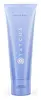
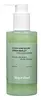
Tatcha The Rice Wash Skin-Softening Cleanser Versus Veganifect Clean & Glow Green Barley Gel Cleanser
This gel cleanser uses mild cleansing ingredients, but contains alcohol that may feel drying for some.


What's inside
What's inside
 Key Ingredients
Benefits
Concerns
Ingredients Side-by-side
Water
Skin ConditioningMicrocrystalline Cellulose
AbsorbentPropanediol
Solvent

Sodium Cocoyl Glutamate
Cleansing
Glycerin
Humectant
Acrylates Copolymer
Sodium Caproyl Methyltaurate
CleansingCoco-Betaine
Cleansing
Parfum
Masking




Camellia Sinensis Leaf
Perfuming



Oryza Sativa Powder
Chondrus Crispus Extract
Skin Conditioning
Sodium Hyaluronate
Humectant
Betaphycus Gelatinum Extract
BleachingLauryl Glucoside
CleansingPotassium Hydroxide
BufferingPolyquaternium-39
Disodium EDTA
ChelatingPhenoxyethanol
Preservative
Ethylhexylglycerin
Skin ConditioningSodium Benzoate
Masking
Sodium Carbonate
BufferingAlcohol
Antimicrobial

Water, Microcrystalline Cellulose, Propanediol, Sodium Cocoyl Glutamate, Glycerin, Acrylates Copolymer, Sodium Caproyl Methyltaurate, Coco-Betaine, Parfum, Camellia Sinensis Leaf, Oryza Sativa Powder, Chondrus Crispus Extract, Sodium Hyaluronate, Betaphycus Gelatinum Extract, Lauryl Glucoside, Potassium Hydroxide, Polyquaternium-39, Disodium EDTA, Phenoxyethanol, Ethylhexylglycerin, Sodium Benzoate, Sodium Carbonate, Alcohol
Hordeum Vulgare Sprout Extract
Antioxidant
Water
Skin ConditioningHordeum Vulgare Extract
EmollientGlycerin
Humectant
Disodium Laureth Sulfosuccinate
CleansingLauramidopropyl Betaine
CleansingSodium Lauryl Sulfoacetate
CleansingAcrylates Copolymer
Cocamide Methyl Mea
Foam Boosting
1,2-Hexanediol
Skin Conditioning
Tromethamine
BufferingSodium Chloride
MaskingSorbitol
Humectant
Butylene Glycol
Humectant
Potassium Benzoate
Preservative
Pogostemon Cablin Leaf Oil
Masking

Citric Acid
Buffering

Disodium EDTA
ChelatingMelia Azadirachta Leaf Extract
Skin ConditioningCoco-Glucoside
Cleansing
Disodium Coco-Glucoside Citrate
Emulsifying
Coptis Japonica Root Extract
Skin ConditioningMelia Azadirachta Flower Extract
Skin ConditioningTheobroma Cacao Seed Extract
Antioxidant
Rice Ferment Filtrate
Skin Conditioning
Saccharomyces/Coix Lacryma-Jobi Ma-Yuen Seed Ferment Filtrate
Skin Conditioning
Lactobacillus/Phaseolus Radiatus Seed Ferment Filtrate
Skin ConditioningDextrin
AbsorbentCapryloyl Salicylic Acid
Exfoliating


Anastatica Hierochuntica Extract
AstringentBeta-Glucan
Skin Conditioning
Hordeum Vulgare Sprout Extract, Water, Hordeum Vulgare Extract, Glycerin, Disodium Laureth Sulfosuccinate, Lauramidopropyl Betaine, Sodium Lauryl Sulfoacetate, Acrylates Copolymer, Cocamide Methyl Mea, 1,2-Hexanediol, Tromethamine, Sodium Chloride, Sorbitol, Butylene Glycol, Potassium Benzoate, Pogostemon Cablin Leaf Oil, Citric Acid, Disodium EDTA, Melia Azadirachta Leaf Extract, Coco-Glucoside, Disodium Coco-Glucoside Citrate, Coptis Japonica Root Extract, Melia Azadirachta Flower Extract, Theobroma Cacao Seed Extract, Rice Ferment Filtrate, Saccharomyces/Coix Lacryma-Jobi Ma-Yuen Seed Ferment Filtrate, Lactobacillus/Phaseolus Radiatus Seed Ferment Filtrate, Dextrin, Capryloyl Salicylic Acid, Anastatica Hierochuntica Extract, Beta-Glucan
Reviews
Ingredients Explained
These ingredients are found in both products.
Ingredients higher up in an ingredient list are typically present in a larger amount.
Acrylates Copolymer is used as a film-forming agent and texture enhancer.
After applied, Acrylates Copolymer forms a thin film cover that helps skin feel more soft. It can help sunscreens become more water-resistant.
It is also used to make a product more thick.
Learn more about Acrylates CopolymerDisodium EDTA is a chelating agent. It grabs onto and deactivates metal ions that sneak into your products from water, packaging, or air.
This ingredient mainly works behind the scenes and helps with:
On top of that, this ingredient can counteract the effects of hard water by binding to the minerals in it.
One thing worth knowing is that Disodium EDTA has been shown to be a mild penetration enhancer. It can help other ingredients absorb into skin more effectively which can be a double-edged sword (great for actives, but can also make the active too strong if you have sensitive skin).
Clinical patch testing showed no significant skin irritation at typical use concentrations and minimal dermal absorption.
You'll most likely see this ingredient near the end of an ingredient list. It's typically found in concentrations less than 1%.
Learn more about Disodium EDTAGlycerin (or glycerol) is a compound naturally found in your skin. It's a powerhouse humectant that pulls water into the stratum corneum.
Topically, glycerin does several things at once:
Your skin makes glycerin on its own (mostly from sebaceous oil breakdown) and shuttles it to your outermost layer of skin, or your epidermis, via aquaporin-3.
Aquaporin-3 is a transporter that is essential for normal skin hydration, elasticity, and repair. Interestingly, mice lacking in AQP3 have dry and less elastic skin that can be fully corrected with glycerin.
This ingredient is non-irritating, plays well with almost every ingredient, and works across all skin types. Typical use is anywhere between 3-10% but can go up to 79% in some leave-on products.
Just know very high concentrations (>40%) can feel tacky in low humidity.
Glycerin is the name for this ingredient in American English. British English uses Glycerol/Glycerine.
Learn more about GlycerinWater. It's the most common cosmetic ingredient of all. You'll usually see it at the top of ingredient lists, meaning that it makes up the largest part of the product.
So why is it so popular? Water most often acts as a solvent - this means that it helps dissolve other ingredients into the formulation.
You'll also recognize water as that liquid we all need to stay alive. If you see this, drink a glass of water. Remember to stay hydrated!
Learn more about Water

