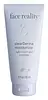
This acne moisturizer is formulated around Niacinamide to clear breakouts and balance excess oil.
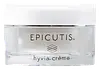
This barrier-repair moisturizer is formulated around Ceramide NP to strengthen the skin barrier and hydrate skin.

What's inside
What's inside
 Key Ingredients
Benefits
Concerns
Ingredients Side-by-side
Water
Skin ConditioningCaprylic/Capric Triglyceride
Masking


Coco-Caprylate/Caprate
Emollient
Cetearyl Alcohol
Emollient





Glyceryl Stearate
Emollient
Glycerin
Humectant
Tapioca Starch
Cetearyl Olivate
Niacinamide
Smoothing









Carthamus Tinctorius Seed Oil
Masking
Phenoxyethanol
Preservative
Alcohol Denat.
Antimicrobial


Sorbitan Olivate
Emulsifying
Stearic Acid
Cleansing
Carbomer
Emulsion StabilisingPolysorbate 20
Emulsifying
Polysorbate 60
Emulsifying
Ethylhexylglycerin
Skin ConditioningPotassium Sorbate
Preservative
Allantoin
Skin Conditioning
Bisabolol
Antioxidant
Maltodextrin
Absorbent
Hamamelis Virginiana Water
Astringent
Citric Acid
Buffering
Sodium Hydroxide
BufferingFructooligosaccharides
Humectant
Citrus Nobilis Peel Oil
Masking
Camellia Sinensis Leaf Extract
Antimicrobial
Chamomilla Recutita Flower Extract
Masking
Syringa Vulgaris Leaf Cell Culture Extract
Skin ConditioningTotarol
Antioxidant
Glycyrrhiza Glabra Root Extract
Bleaching
Citrus Aurantium Dulcis Peel Oil
Masking
Vaccinium Macrocarpon Fruit Extract
AstringentWater, Caprylic/Capric Triglyceride, Coco-Caprylate/Caprate, Cetearyl Alcohol, Glyceryl Stearate, Glycerin, Tapioca Starch, Cetearyl Olivate, Niacinamide, Carthamus Tinctorius Seed Oil, Phenoxyethanol, Alcohol Denat., Sorbitan Olivate, Stearic Acid, Carbomer, Polysorbate 20, Polysorbate 60, Ethylhexylglycerin, Potassium Sorbate, Allantoin, Bisabolol, Maltodextrin, Hamamelis Virginiana Water, Citric Acid, Sodium Hydroxide, Fructooligosaccharides, Citrus Nobilis Peel Oil, Camellia Sinensis Leaf Extract, Chamomilla Recutita Flower Extract, Syringa Vulgaris Leaf Cell Culture Extract, Totarol, Glycyrrhiza Glabra Root Extract, Citrus Aurantium Dulcis Peel Oil, Vaccinium Macrocarpon Fruit Extract
Caprylic/Capric Triglyceride
Masking
Propanediol
Solvent
Glycerin
Humectant
Butyrospermum Parkii Butter
Skin Conditioning
Pentylene Glycol
Skin Conditioning
Limnanthes Alba Seed Oil
Skin Conditioning
Glyceryl Stearate Se
Emulsifying
Stearyl Alcohol
Emollient
Steareth-20
CleansingTocopherol
Antioxidant
Salvia Hispanica Herb Oil
Perfuming
Disodium S-Phytyl Diglycoloylcysteine
Skin ProtectingSpilanthes Acmella Flower Extract
Skin ConditioningCeramide NP
Skin Conditioning
Isocetyl Alcohol
Emollient
Cetyl Alcohol
Emollient
Phytosterols
Skin Conditioning
Ferulic Acid
Antimicrobial
Oenothera Biennis Seed Extract
Skin ConditioningButylene Glycol
Humectant
Carbomer
Emulsion StabilisingPentasodium Pentetate
ChelatingPotassium Hydroxide
BufferingCaprylic/Capric Triglyceride, Propanediol, Glycerin, Butyrospermum Parkii Butter, Pentylene Glycol, Limnanthes Alba Seed Oil, Glyceryl Stearate Se, Stearyl Alcohol, Steareth-20, Tocopherol, Salvia Hispanica Herb Oil, Disodium S-Phytyl Diglycoloylcysteine, Spilanthes Acmella Flower Extract, Ceramide NP, Isocetyl Alcohol, Cetyl Alcohol, Phytosterols, Ferulic Acid, Oenothera Biennis Seed Extract, Butylene Glycol, Carbomer, Pentasodium Pentetate, Potassium Hydroxide
Reviews
Ingredients Explained
These ingredients are found in both products.
Ingredients higher up in an ingredient list are typically present in a larger amount.
Caprylic/Capric Triglyceride (aka MCT Oil) is a lightweight emollient, solvent, and texture enhancer. It is considered a skin-softener by helping to prevent moisture loss.
Though it behaves like an oil, it is not technically one due to its chemical composition. One perk of this ingredient is that it is very stable, resistant to oxidation, and unlikely to go rancid.
In practice, that translates to a long shelf life and a consistently elegant skin feel.
While there is an assumption Caprylic Triglyceride can clog pores due to it being derived from coconut oil, there is no research supporting this. Just patch test if you have concerns.
Fractionated coconut oil and MCT Oil are both listed as Caprylic/Capric Triglyceride according to INCI. This is because INCI names are based on the ingredient’s final chemical composition and not its marketing name or source.
This ingredient is treated as the gold standard fungal acne safe oil. Even though it is coconut derived, the problematic lauric acid is stripped out.
This leaves just caprylic (C8) and capric (C10) acid. These chain lengths actually trend antifungal; a 2020 study found caprylic acid was enough to disrupt Malassezia furfur cell membrane, with a caprylic acid derivative damaging membrane structures at concentrations as low as 0.2%.
Learn more about Caprylic/Capric TriglycerideCarbomer is a synthetic thickening and gelling agent. It's basically the ingredient that gives a lot of serums, gels, creams, and sunscreens their smooth, non-sticky texture.
Although legally permitted at very high levels, carbomers are normally used at concentrations below 1%.
It also needs to be neutralized to actually thicken, and because it is a large molecule, it doesn't really penetrate the skin barrier.
Allergy-wise, the risk is very low. Clinical studies show carbomers have low potential for skin irritation/sensitization even at concentrations up to 100%.
A 2024 UK study patch-tested 1,302 patients and found true allergy to the parent group of carbomer to be rare with no confirmed relevant reactions.
Learn more about CarbomerGlycerin (or glycerol) is a compound naturally found in your skin. It's a powerhouse humectant that pulls water into the stratum corneum.
Topically, glycerin does several things at once:
Your skin makes glycerin on its own (mostly from sebaceous oil breakdown) and shuttles it to your outermost layer of skin, or your epidermis, via aquaporin-3.
Aquaporin-3 is a transporter that is essential for normal skin hydration, elasticity, and repair. Interestingly, mice lacking in AQP3 have dry and less elastic skin that can be fully corrected with glycerin.
This ingredient is non-irritating, plays well with almost every ingredient, and works across all skin types. Typical use is anywhere between 3-10% but can go up to 79% in some leave-on products.
Just know very high concentrations (>40%) can feel tacky in low humidity.
Glycerin is the name for this ingredient in American English. British English uses Glycerol/Glycerine.
Learn more about Glycerin

