
What's inside
What's inside
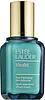 Key Ingredients
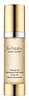
Benefits
Concerns
Ingredients Side-by-side
Water
Skin ConditioningCyclopentasiloxane
Emollient
Dimethicone
Emollient
Polysilicone-11

Acetyl Glucosamine
Skin Conditioning


Sodium Lactate
Buffering
Morus Nigra Root Extract
Skin ConditioningYeast Extract
Skin ConditioningSerenoa Serrulata Fruit Extract
Skin Conditioning
Triticum Vulgare Germ Extract
Skin ConditioningVitis Vinifera Fruit Extract
Skin ConditioningScutellaria Baicalensis Extract
AntimicrobialCastanea Sativa Seed Extract
Skin ConditioningCamellia Sinensis Leaf Extract
Antimicrobial



Hordeum Vulgare Extract
EmollientLavandula Angustifolia Extract
Skin Conditioning

Amorphophallus Konjac Root Powder
Abrasive
Caffeine
Skin Conditioning
Laminaria Saccharina Extract
Skin ProtectingTocopheryl Acetate
Antioxidant
Salvia Sclarea Extract
AntiseborrhoeicSodium Hyaluronate
Humectant

Coriandrum Sativum Oil
Masking
Citrus Grandis
Cholesterol
Emollient
Glycerin
Humectant
Ethylhexylglycerin
Skin ConditioningSqualane
Emollient
Polyethylene
Abrasive
Isopentyldiol
Humectant
Phenyl Trimethicone
Skin Conditioning
Isohexadecane
EmollientPolysorbate 20
Emulsifying
Pantethine
EmollientMethyldihydrojasmonate
MaskingAcrylamide/Sodium Acryloyldimethyltaurate Copolymer
Emulsion StabilisingAmmonium Acryloyldimethyltaurate/Vp Copolymer
Polysorbate 80
Emulsifying
PEG-8
HumectantEthyl 2,2-Dimethylhydrocinnamal
Masking
Phospholipids
Skin Conditioning
Palmitoyl Oligopeptide
Cleansing
Butylene Glycol
Humectant
Magnesium Ascorbyl Phosphate
Antioxidant

Glyceryl Polymethacrylate
Sodium Glycinate
Skin ConditioningNordihydroguaiaretic Acid
Antioxidant
Chlorphenesin
Antimicrobial
Phenoxyethanol
Preservative
Limonene
Perfuming

Linalool
Perfuming
Iron Oxides
Mica
Cosmetic ColorantCI 77891
Cosmetic ColorantWater, Cyclopentasiloxane, Dimethicone, Polysilicone-11, Acetyl Glucosamine, Sodium Lactate, Morus Nigra Root Extract, Yeast Extract, Serenoa Serrulata Fruit Extract, Triticum Vulgare Germ Extract, Vitis Vinifera Fruit Extract, Scutellaria Baicalensis Extract, Castanea Sativa Seed Extract, Camellia Sinensis Leaf Extract, Hordeum Vulgare Extract, Lavandula Angustifolia Extract, Amorphophallus Konjac Root Powder, Caffeine, Laminaria Saccharina Extract, Tocopheryl Acetate, Salvia Sclarea Extract, Sodium Hyaluronate, Coriandrum Sativum Oil, Citrus Grandis, Cholesterol, Glycerin, Ethylhexylglycerin, Squalane, Polyethylene, Isopentyldiol, Phenyl Trimethicone, Isohexadecane, Polysorbate 20, Pantethine, Methyldihydrojasmonate, Acrylamide/Sodium Acryloyldimethyltaurate Copolymer, Ammonium Acryloyldimethyltaurate/Vp Copolymer, Polysorbate 80, PEG-8, Ethyl 2,2-Dimethylhydrocinnamal, Phospholipids, Palmitoyl Oligopeptide, Butylene Glycol, Magnesium Ascorbyl Phosphate, Glyceryl Polymethacrylate, Sodium Glycinate, Nordihydroguaiaretic Acid, Chlorphenesin, Phenoxyethanol, Limonene, Linalool, Iron Oxides, Mica, CI 77891
Water
Skin ConditioningGlycerin
Humectant
Isononyl Isononanoate
EmollientBetaine
Humectant
Pentylene Glycol
Skin Conditioning
Caprylic/Capric Triglyceride
Masking
Swertia Chirata Extract
HumectantNarcissus Tazetta Bulb Extract
Astringent
Laminaria Digitata Extract
Skin Protecting
Algae Extract
EmollientLaminaria Ochroleuca Extract
Skin Conditioning
Saccharomyces Lysate Extract
Humectant
Commiphora Mukul Resin Extract
Skin ConditioningPhoenix Dactylifera Fruit Extract
EmollientSigesbeckia Orientalis Extract
Skin ConditioningPolygonum Cuspidatum Root Extract
Antioxidant
Hydrolyzed Rice Extract
Skin Conditioning
Brassica Campestris Sterols
EmollientAcetyl Hexapeptide-8
Humectant
Hyaluronic Acid
Humectant
Tocopherol
Antioxidant
Caffeine
Skin Conditioning
Butylene Glycol
Humectant
Amodimethicone
Pearl Powder
Gold
Cosmetic ColorantHydrolyzed Wheat Protein
Skin ConditioningCarbomer
Emulsion StabilisingSodium Hydroxide
BufferingCitric Acid
Buffering
1,2-Hexanediol
Skin Conditioning
Polymethylsilsesquioxane
Parfum
Masking
BHT
Antioxidant
Disodium EDTA
Potassium Sorbate
Preservative
Chlorphenesin
Antimicrobial
Sodium Benzoate
Masking
Phenoxyethanol
Preservative
Water, Glycerin, Isononyl Isononanoate, Betaine, Pentylene Glycol, Caprylic/Capric Triglyceride, Swertia Chirata Extract, Narcissus Tazetta Bulb Extract, Laminaria Digitata Extract, Algae Extract, Laminaria Ochroleuca Extract, Saccharomyces Lysate Extract, Commiphora Mukul Resin Extract, Phoenix Dactylifera Fruit Extract, Sigesbeckia Orientalis Extract, Polygonum Cuspidatum Root Extract, Hydrolyzed Rice Extract, Brassica Campestris Sterols, Acetyl Hexapeptide-8, Hyaluronic Acid, Tocopherol, Caffeine, Butylene Glycol, Amodimethicone, Pearl Powder, Gold, Hydrolyzed Wheat Protein, Carbomer, Sodium Hydroxide, Citric Acid, 1,2-Hexanediol, Polymethylsilsesquioxane, Parfum, BHT, Disodium EDTA, Potassium Sorbate, Chlorphenesin, Sodium Benzoate, Phenoxyethanol
Reviews
Ingredients Explained
These ingredients are found in both products.
Ingredients higher up in an ingredient list are typically present in a larger amount.
Butylene Glycol (or BG) is used within cosmetic products for a few different reasons:
Overall, Butylene Glycol is a safe and well-rounded ingredient that works well with other ingredients.
Though this ingredient works well with most skin types, some people with sensitive skin may experience a reaction such as allergic rashes, closed comedones, or itchiness.
Learn more about Butylene GlycolCaffeine is a naturally occurring plant compound found in coffee beans, tea leaves, cocoa pods, and guarana.
As an antioxidant, caffeine protects your skin from free radical damage caused by UV exposure and envionrmnetal stressors.
Early research also shows that caffeine can help calm redness, soothe irritated skin, and support hair growth by stimulating microcirculation in the scalp.
You might have seen eye creams marketing caffeine as a depuffing ingredient. This is because it is a vasoconstrictor meaning it can temporarily constrict blood vessels, though clinical evidence for this specific use is still limited.
Most skincare products contain this ingredient at concentrations between 1-6%. It is able to penetrate skin easily regardless of skin type or thickness.
Just so you know, a very small number of case reports describe caffeine-induced allergy. This ingredient is generally well-tolerated, non-irritating, and non-sensitizing for the majority of people.
Learn more about CaffeineChlorphenesin is a synthetic preservative. It helps protect a product against bacteria in order to extend shelf life. In most cases, Chlorphenesin is paired with other preservatives such as phenoxyethanol and caprylyl glycol.
Chlorphenesin is a biocide. This means it is able to help fight the microorganisms on our skin. It is also able to fight odor-releasing bacteria.
Chlorphenesin is soluble in both water and glycerin.
Studies show Chlorphenesin is easily absorbed by our skin. You should speak with a skincare professional if you have concerns about using Chlorphenesin.
Learn more about ChlorphenesinGlycerin (or glycerol) is a compound naturally found in your skin. It's a powerhouse humectant that pulls water into the stratum corneum.
Topically, glycerin does several things at once:
Your skin makes glycerin on its own (mostly from sebaceous oil breakdown) and shuttles it to your outermost layer of skin, or your epidermis, via aquaporin-3.
Aquaporin-3 is a transporter that is essential for normal skin hydration, elasticity, and repair. Interestingly, mice lacking in AQP3 have dry and less elastic skin that can be fully corrected with glycerin.
This ingredient is non-irritating, plays well with almost every ingredient, and works across all skin types. Typical use is anywhere between 3-10% but can go up to 79% in some leave-on products.
Just know very high concentrations (>40%) can feel tacky in low humidity.
Glycerin is the name for this ingredient in American English. British English uses Glycerol/Glycerine.
Learn more about GlycerinPhenoxyethanol is a preservative that has germicide, antimicrobial, and aromatic properties. Studies show that phenoxyethanol can prevent microbial growth. By itself, it has a scent that is similar to that of a rose.
It's often used in formulations along with Caprylyl Glycol to preserve the shelf life of products.
Water. It's the most common cosmetic ingredient of all. You'll usually see it at the top of ingredient lists, meaning that it makes up the largest part of the product.
So why is it so popular? Water most often acts as a solvent - this means that it helps dissolve other ingredients into the formulation.
You'll also recognize water as that liquid we all need to stay alive. If you see this, drink a glass of water. Remember to stay hydrated!
Learn more about Water
