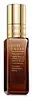
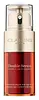
Estée Lauder Advanced Night Repair Intense Reset Concentrate Versus Clarins Double Serum Complete Age Control Concentrate
This calming serum is formulated around Lactobacillus Ferment and Resveratrol to calm redness and strengthen the skin barrier.
This anti-aging serum is formulated around Squalane to soften the look of wrinkles and hydrate skin.


What's inside
What's inside
 Key Ingredients
Benefits
Concerns
Ingredients Side-by-side
Water
Skin ConditioningDimethicone
Emollient

Glycerin
Humectant

Methyl Trimethicone
Skin Conditioning
Bis-PEG-18 Methyl Ether Dimethyl Silane
EmollientButylene Glycol
Humectant
Isopropyl Isostearate
Emollient




PPG-15 Stearyl Ether
EmollientPEG-10 Dimethicone
Skin Conditioning
Faex Extract
Skin ConditioningTripeptide-32
Skin Conditioning
Sodium Hyaluronate Crosspolymer
Humectant
Sodium Hyaluronate
Humectant

Hydrolyzed Sodium Hyaluronate
Skin Conditioning
Hydrolyzed Algin
Lactobacillus Ferment
Skin Conditioning
Adansonia Digitata Seed Extract
Skin ConditioningSoy Amino Acids
Skin ConditioningAminopropyl Ascorbyl Phosphate
Antioxidant




Resveratrol
Antioxidant
Algae Extract
Emollient
Salicylic Acid
Masking





Ergothioneine
Antioxidant
Tocopheryl Acetate
Antioxidant
Whey Protein
Skin ConditioningAvena Sativa Kernel Extract
Abrasive
Citrullus Lanatus Fruit Extract
Skin Conditioning
Laminaria Digitata Extract
Skin Protecting
Lens Esculenta Fruit Extract
Skin ConditioningPyrus Malus Fruit Extract
Skin Conditioning
Caffeine
Skin Conditioning
Sodium PCA
Humectant
Propylene Glycol Caprylate
Skin ConditioningTriticum Vulgare Germ Extract
Skin ConditioningLavandula Angustifolia Oil
Masking



Hordeum Vulgare Extract
EmollientAnthemis Nobilis Flower Extract
Masking
Isohexadecane
EmollientPolysilicone-11
Methyldihydrojasmonate
MaskingSodium Lactate
Buffering
Disteardimonium Hectorite
StabilisingIsododecane
EmollientPolyacrylate Crosspolymer-6
Emulsion StabilisingSqualane
Emollient
Polyethylene
Abrasive
Propylene Carbonate
SolventPentylene Glycol
Skin Conditioning
Disodium EDTA
ChelatingBHT
Antioxidant
Potassium Sorbate
Preservative
Sodium Benzoate
Masking
Phenoxyethanol
Preservative
Linalool
Perfuming
CI 14700
Cosmetic ColorantCI 19140
Cosmetic ColorantWater, Dimethicone, Glycerin, Methyl Trimethicone, Bis-PEG-18 Methyl Ether Dimethyl Silane, Butylene Glycol, Isopropyl Isostearate, PPG-15 Stearyl Ether, PEG-10 Dimethicone, Faex Extract, Tripeptide-32, Sodium Hyaluronate Crosspolymer, Sodium Hyaluronate, Hydrolyzed Sodium Hyaluronate, Hydrolyzed Algin, Lactobacillus Ferment, Adansonia Digitata Seed Extract, Soy Amino Acids, Aminopropyl Ascorbyl Phosphate, Resveratrol, Algae Extract, Salicylic Acid, Ergothioneine, Tocopheryl Acetate, Whey Protein, Avena Sativa Kernel Extract, Citrullus Lanatus Fruit Extract, Laminaria Digitata Extract, Lens Esculenta Fruit Extract, Pyrus Malus Fruit Extract, Caffeine, Sodium PCA, Propylene Glycol Caprylate, Triticum Vulgare Germ Extract, Lavandula Angustifolia Oil, Hordeum Vulgare Extract, Anthemis Nobilis Flower Extract, Isohexadecane, Polysilicone-11, Methyldihydrojasmonate, Sodium Lactate, Disteardimonium Hectorite, Isododecane, Polyacrylate Crosspolymer-6, Squalane, Polyethylene, Propylene Carbonate, Pentylene Glycol, Disodium EDTA, BHT, Potassium Sorbate, Sodium Benzoate, Phenoxyethanol, Linalool, CI 14700, CI 19140
Water
Skin ConditioningCetearyl Isononanoate
Emollient
Glycerin
Humectant
Isononyl Isononanoate
EmollientCaprylic/Capric Triglyceride
Masking
Pentylene Glycol
Skin Conditioning
PPG-3 Myristyl Ether
EmollientEthylene/Propylene/Styrene Copolymer
Dipsacus Sylvestris Extract
Skin ConditioningButylene Glycol
Humectant
Parfum
Masking
Phenoxyethanol
Preservative
Propanediol
Solvent
Tromethamine
BufferingSilybum Marianum Seed Oil
Skin Conditioning
Carbomer
Emulsion StabilisingTocopheryl Acetate
Antioxidant
Escin
TonicChenopodium Quinoa Seed Extract
Skin Conditioning
Ethylhexylglycerin
Skin ConditioningSqualane
Emollient
Avena Sativa Kernel Extract
Abrasive
Theobroma Cacao Extract
Skin ConditioningButylene/Ethylene/Styrene Copolymer
Leontopodium Alpinum Extract
Skin ConditioningXanthan Gum
EmulsifyingPersea Gratissima Oil Unsaponifiables
Skin Conditioning
Caramel
Cosmetic ColorantCurcuma Longa Root Extract
Antioxidant
Salicyloyl Phytosphingosine
Skin ConditioningMusa Sapientum Fruit Extract
Skin ConditioningSalicornia Herbacea Extract
Skin ConditioningActinidia Chinensis Fruit Extract
EmollientKalanchoe Pinnata Leaf Extract
MaskingSodium Benzoate
Masking
Citric Acid
Buffering
Myrothamnus Flabellifolia Leaf/Stem Extract
HumectantDisodium EDTA
ChelatingTocopherol
Antioxidant
Lycium Barbarum Fruit Extract
Astringent
Maltodextrin
Absorbent
Orthosiphon Stamineus Extract
Skin ConditioningHedychium Coronarium Root Extract
MaskingMangifera Indica Leaf Extract
Skin ConditioningPotassium Sorbate
Preservative
Pentaerythrityl Tetra-Di-T-Butyl Hydroxyhydrocinnamate
Antioxidant
Jania Rubens Extract
Skin Conditioning
Ascorbic Acid
Antioxidant
Sodium Citrate
BufferingEngelhardtia Chrysolepis Leaf Extract
Skin ConditioningCI 14700
Cosmetic ColorantCallicarpa Japonica Fruit Extract
Skin ConditioningWater, Cetearyl Isononanoate, Glycerin, Isononyl Isononanoate, Caprylic/Capric Triglyceride, Pentylene Glycol, PPG-3 Myristyl Ether, Ethylene/Propylene/Styrene Copolymer, Dipsacus Sylvestris Extract, Butylene Glycol, Parfum, Phenoxyethanol, Propanediol, Tromethamine, Silybum Marianum Seed Oil, Carbomer, Tocopheryl Acetate, Escin, Chenopodium Quinoa Seed Extract, Ethylhexylglycerin, Squalane, Avena Sativa Kernel Extract, Theobroma Cacao Extract, Butylene/Ethylene/Styrene Copolymer, Leontopodium Alpinum Extract, Xanthan Gum, Persea Gratissima Oil Unsaponifiables, Caramel, Curcuma Longa Root Extract, Salicyloyl Phytosphingosine, Musa Sapientum Fruit Extract, Salicornia Herbacea Extract, Actinidia Chinensis Fruit Extract, Kalanchoe Pinnata Leaf Extract, Sodium Benzoate, Citric Acid, Myrothamnus Flabellifolia Leaf/Stem Extract, Disodium EDTA, Tocopherol, Lycium Barbarum Fruit Extract, Maltodextrin, Orthosiphon Stamineus Extract, Hedychium Coronarium Root Extract, Mangifera Indica Leaf Extract, Potassium Sorbate, Pentaerythrityl Tetra-Di-T-Butyl Hydroxyhydrocinnamate, Jania Rubens Extract, Ascorbic Acid, Sodium Citrate, Engelhardtia Chrysolepis Leaf Extract, CI 14700, Callicarpa Japonica Fruit Extract
Reviews
Ingredients Explained
These ingredients are found in both products.
Ingredients higher up in an ingredient list are typically present in a larger amount.
Avena Sativa Kernel Extract is is derived from colloidal oatmeal. Besides being a healthy breakfast, oats have many benefits in skincare too.
This ingredient helps sooth, hydrate, and protect the skin. The starches in colloidal oatmeal are able to bind water, keeping the skin hydrated.
The cellulose and fiber in colloidal oatmeal help reduce inflammation. This can also help the skin feel softer.
Colloidal Oatmeal is also an antioxidant. Antioxidants protect our skin from free-radical damage.
Oatmeal also contains beneficial compounds:
This ingredient is created by mixing grounded oatmeal and a liquid base.
Learn more about Avena Sativa Kernel ExtractButylene Glycol (or BG) is used within cosmetic products for a few different reasons:
Overall, Butylene Glycol is a safe and well-rounded ingredient that works well with other ingredients.
Though this ingredient works well with most skin types, some people with sensitive skin may experience a reaction such as allergic rashes, closed comedones, or itchiness.
Learn more about Butylene GlycolCi 14700, also known as Red No. 4, is a synthetic red dye derived from petroleum. It is water soluble.
Disodium EDTA is a chelating agent. It grabs onto and deactivates metal ions that sneak into your products from water, packaging, or air.
This ingredient mainly works behind the scenes and helps with:
On top of that, this ingredient can counteract the effects of hard water by binding to the minerals in it.
One thing worth knowing is that Disodium EDTA has been shown to be a mild penetration enhancer. It can help other ingredients absorb into skin more effectively which can be a double-edged sword (great for actives, but can also make the active too strong if you have sensitive skin).
Clinical patch testing showed no significant skin irritation at typical use concentrations and minimal dermal absorption.
You'll most likely see this ingredient near the end of an ingredient list. It's typically found in concentrations less than 1%.
Learn more about Disodium EDTAGlycerin (or glycerol) is a compound naturally found in your skin. It's a powerhouse humectant that pulls water into the stratum corneum.
Topically, glycerin does several things at once:
Your skin makes glycerin on its own (mostly from sebaceous oil breakdown) and shuttles it to your outermost layer of skin, or your epidermis, via aquaporin-3.
Aquaporin-3 is a transporter that is essential for normal skin hydration, elasticity, and repair. Interestingly, mice lacking in AQP3 have dry and less elastic skin that can be fully corrected with glycerin.
This ingredient is non-irritating, plays well with almost every ingredient, and works across all skin types. Typical use is anywhere between 3-10% but can go up to 79% in some leave-on products.
Just know very high concentrations (>40%) can feel tacky in low humidity.
Glycerin is the name for this ingredient in American English. British English uses Glycerol/Glycerine.
Learn more about GlycerinPentylene Glycol (1,2-pentanediol) is a multitasking little diol with three main roles in a formula:
Research on alkanediols (the family pentylene glycol belongs to) show they work by disrupting microbial cell membranes. This disruption helps the primary preservative system in a product work more effectively at lower doses.
On the safety side, the Cosmetic Ingredient Review Expert Panel has concluded this ingredient to be safe as used in current cosmetic practices + concentrations.
Typical use levels in a formula run about 1-5%.
Learn more about Pentylene GlycolPhenoxyethanol is one of the most widely used preservatives in skincare (and for good reason!).
It has a large spectrum of antimicrobial activity and especially effective bacteria, yeast, and mold while only having a weak effect on your skin's natural microbiome.
On a cellular level, it disrupts the cell membranes of microbes by poking holes that make the cell leak. This shuts down the chemical reactions the microbe needs to make energy so it can no longer survive.
Another perk of this ingredient is that it stays functional across a wide pH range (3-10).
You'll often see it paired with boosters like Ethylhexylglycerin; one study showed that a 1:9 ratio of Ethylhexylglycerin to Phenoxyethanol damages bacterial membranes as effectively as doubling the Phenoxyethanol concentration on its own.
Typical use concentrations range from 0.3-1% depending on the formula, and this ingredient is capped at 1% int the EU.
Safety-wise, the fear mongering does not hold up to the evidence. The EU's Scientific Committee on Consumer Safety and FDA consider it safe as a preservative at up to 1%, including for children of all ages.
Adverse systemic effects only showed up in animal studies at exposures roughly 200x higher than what people get from cosmetics. And despite its very widespread use, this ingredient is a rare sensitizer and allergic reactions are uncommon.
Learn more about PhenoxyethanolPotassium Sorbate is a preservative used to prevent yeast and mold in products. It is commonly found in both cosmetic and food products.
This ingredient comes from potassium salt derived from sorbic acid. Sorbic acid is a natural antibiotic and effective against fungus.
Both potassium sorbate and sorbic acid can be found in baked goods, cheeses, dried meats, dried fruit, ice cream, pickles, wine, yogurt, and more.
You'll often find this ingredient used with other preservatives.
Learn more about Potassium SorbateSodium Benzoate is a preservative. It's used in both cosmetic and food products to inhibit the growth of mold and bacteria. It is typically produced synthetically.
Both the US FDA and EU Health Committee have approved the use of sodium benzoate. In the US, levels of 0.1% (of the total product) are allowed.
Sodium benzoate works as a preservative by inhibiting the growth of bacteria inside of cells. It prevents the cell from fermenting a type of sugar using an enzyme called phosphofructokinase.
It is the salt of benzoic acid. Foods containing sodium benzoate include soda, salad dressings, condiments, fruit juices, wines, and snack foods.
Studies for using ascorbic acid and sodium benzoate in cosmetics are lacking, especially in skincare routines with multiple steps.
We always recommend speaking with a professional, such as a dermatologist, if you have any concerns.
Learn more about Sodium BenzoateSqualane is the hydrogenated and shelf-stable form of squalene (a lipid that naturally occurs in human sebum).
It is an emollient and skin conditioning agent that is able to integrate seamlessly into the skin's lipid barrier without clogging pores.
This is due to how structurally similar it is to what your skin already produces.
Though it is mostly an emollient that helps soften and hydrate skin, it also has some humectant and occlusive action. Humectants help the skin retain moisture while occlusives seal it in, making squalane a triple-threat moisturizer.
Research shows it has antioxidant capabilities that help protect against stressors like UV exposure, specifically UVA induced oxidative stress. This study also found that it supports collagen biosynthesis in human dermal fibroblasts.
No clinical study has reported significant adverse effects and irritation reactions are very rare from this ingredient (even at 100% concentration).
Overall, it's a fantastic ingredient for hydration and is suitable for all skin types.
This depends on the source. Squalane can be derived from both plants and animals. Most squalane used in skincare comes from plants.
Please note: the source of squalane is only known if disclosed by the brand. We recommend reaching out to the brand if you have any questions about their squalane.
Read more about squalene with an "e".
Though squalane is often called an oil, it’s technically not one. It is a hydrocarbon, meaning it is only made of carbon and hydrogen. True oils are triglycerides and made of fatty acids and glycerol.
The term “oil-free” isn’t regulated so companies can define it however they want. Some exclude all oils, while others just avoid mineral oil or comedogenic oils.
Squalane has a comedogenic rating of 1 from the original 1972 study that tested raw ingredients under occlusion on rabbit ears. This system is not standardized or peer-reviewed, and using the raw ingredients is very different from how diluted cosmetic formulations are used on human skin.
A comedogenic rating of 1 means it is "unlikely to clog pores" according to the original rating system.
The overall formula of a product matters more than the individual ingredients on whether or not it will cause clogged pores.
Learn more about SqualaneTocopheryl Acetate is a stable, shelf-friendly form of vitamin E.
Formulators love it because plain vitamin E oxidizes quickly once it hits air. This acetate version stays stable and resists going off, helping to extend a product's shelf life.
It's actually inactive on its own and works like a slow-release "storage" form; the enzymes in your skin called esterases gradually convert it into active vitamin E over time.
One in vivo study showed 5% of the acetate in the living layer of the epidermis converted to vitamin E after 5 days of application. This study also found the skin gained protection against UV damage even though the conversion was slow and small.
Once converted, vitamin E acts as a skin's main fat-soluble antioxidant that fights free radicals to protect skin from damage.
Topical vitamin E generally boosts the skin's photoprotection, and it reduced UV-damage in animal models.
This ingredient has some brightening potential but it's more of a prevention ingredient than spot-fader. Cell studies show it can slow down melanin production but it's worth noting that it's not the most powerful brightener out there.
Overall, it has a pretty solid safety profile and has been found to be non-irritating and non-comedogenic. Allergic reactions may happen but stay rare due to how widely the ingredient gets used.
The concentration will vary depending on the formula; industry data shows 0.1% in baby lotions, 3% in lipsticks, and 5% in foot powders. You can also find this ingredient at 100% in a pure vitamin E oil.
Most leave-on skincare keeps it at the lower end, often between 0.5-1%.
Learn more about Tocopheryl AcetateWater. It's the most common cosmetic ingredient of all. You'll usually see it at the top of ingredient lists, meaning that it makes up the largest part of the product.
So why is it so popular? Water most often acts as a solvent - this means that it helps dissolve other ingredients into the formulation.
You'll also recognize water as that liquid we all need to stay alive. If you see this, drink a glass of water. Remember to stay hydrated!
Learn more about Water

