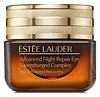
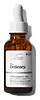
Estée Lauder Advanced Night Repair Eye Supercharged Complex Versus The Ordinary Caffeine Solution 5% + EGCG
This barrier-repair eye moisturizer is formulated around Bifida Ferment Lysate and Caffeine to strengthen the skin barrier and soften the look of wrinkles.
This calming eye moisturizer is formulated around Caffeine and Epigallocatechin Gallatyl Glucoside to calm redness and soften the look of wrinkles.


What's inside
What's inside
 Key Ingredients
Benefits
Concerns
Ingredients Side-by-side
Methyl Trimethicone
Skin Conditioning
Water
Skin ConditioningBifida Ferment Lysate
Skin Conditioning



Dimethicone
Emollient
Dimethicone/Vinyl Dimethicone Crosspolymer
Skin Conditioning
Propanediol
Solvent
Sucrose
Humectant
Petrolatum
Emollient


Polysorbate 40
Emulsifying

Trehalose
Humectant
Algae Extract
Emollient

Morus Bombycis Root Extract
Skin ConditioningScutellaria Baicalensis Root Extract
Astringent
Lactobacillus Ferment
Skin Conditioning
Triticum Vulgare Germ Extract
Skin ConditioningAcrylamide/Sodium Acryloyldimethyltaurate Copolymer
Emulsion StabilisingBetula Alba Bark Extract
Masking
Hydrolyzed Algin
Poria Cocos Sclerotium Extract
AstringentJojoba Alcohol
Emollient
Ethylhexylglycerin
Skin ConditioningGlycine Soja Seed Extract
Skin Conditioning
Isopropyl Jojobate
EmollientJojoba Esters
Emollient
Isohexadecane
EmollientFaex Extract
Skin ConditioningHydrogenated Lecithin
Emulsifying
Hordeum Vulgare Extract
EmollientPEG/PPG-18/18 Dimethicone
Emulsifying
Cholesterol
Emollient
Anthemis Nobilis Flower Extract
Masking
Tocopheryl Acetate
Antioxidant


Sodium Rna
Skin ConditioningCaffeine
Skin Conditioning
Polysorbate 80
Emulsifying
Caprylyl Glycol
Emollient
Phytosphingosine
Skin Conditioning
Squalane
Emollient
Potassium Sulfate
Sodium Hyaluronate
Humectant
Acrylates/C10-30 Alkyl Acrylate Crosspolymer
Emulsion StabilisingTripeptide-32
Skin Conditioning
Butylene Glycol
Humectant
Tromethamine
BufferingDisodium EDTA
ChelatingBHT
Antioxidant
Phenoxyethanol
Preservative
CI 77491
Cosmetic ColorantCI 77492
Cosmetic ColorantCI 77499
Cosmetic ColorantMethyl Trimethicone, Water, Bifida Ferment Lysate, Dimethicone, Dimethicone/Vinyl Dimethicone Crosspolymer, Propanediol, Sucrose, Petrolatum, Polysorbate 40, Trehalose, Algae Extract, Morus Bombycis Root Extract, Scutellaria Baicalensis Root Extract, Lactobacillus Ferment, Triticum Vulgare Germ Extract, Acrylamide/Sodium Acryloyldimethyltaurate Copolymer, Betula Alba Bark Extract, Hydrolyzed Algin, Poria Cocos Sclerotium Extract, Jojoba Alcohol, Ethylhexylglycerin, Glycine Soja Seed Extract, Isopropyl Jojobate, Jojoba Esters, Isohexadecane, Faex Extract, Hydrogenated Lecithin, Hordeum Vulgare Extract, PEG/PPG-18/18 Dimethicone, Cholesterol, Anthemis Nobilis Flower Extract, Tocopheryl Acetate, Sodium Rna, Caffeine, Polysorbate 80, Caprylyl Glycol, Phytosphingosine, Squalane, Potassium Sulfate, Sodium Hyaluronate, Acrylates/C10-30 Alkyl Acrylate Crosspolymer, Tripeptide-32, Butylene Glycol, Tromethamine, Disodium EDTA, BHT, Phenoxyethanol, CI 77491, CI 77492, CI 77499
Water
Skin ConditioningCaffeine
Skin Conditioning
Maltodextrin
Absorbent
Glycerin
Humectant
Propanediol
Solvent
Epigallocatechin Gallatyl Glucoside
Antioxidant
Gallyl Glucoside
Antioxidant
Hyaluronic Acid
Humectant
Oxidized Glutathione
EmollientMelanin
Skin ProtectingGlycine Soja Seed Extract
Skin Conditioning
Pentylene Glycol
Skin Conditioning
Hydroxyethylcellulose
Emulsion StabilisingPolyacrylate Crosspolymer-6
Emulsion StabilisingXanthan Gum
EmulsifyingLactic Acid
Buffering



Dehydroacetic Acid
Preservative
Trisodium Ethylenediamine Disuccinate
ChelatingPropyl Gallate
Antioxidant
Dimethyl Isosorbide
SolventBenzyl Alcohol
Perfuming

1,2-Hexanediol
Skin Conditioning
Ethylhexylglycerin
Skin ConditioningPhenoxyethanol
Preservative
Caprylyl Glycol
Emollient
Water, Caffeine, Maltodextrin, Glycerin, Propanediol, Epigallocatechin Gallatyl Glucoside, Gallyl Glucoside, Hyaluronic Acid, Oxidized Glutathione, Melanin, Glycine Soja Seed Extract, Pentylene Glycol, Hydroxyethylcellulose, Polyacrylate Crosspolymer-6, Xanthan Gum, Lactic Acid, Dehydroacetic Acid, Trisodium Ethylenediamine Disuccinate, Propyl Gallate, Dimethyl Isosorbide, Benzyl Alcohol, 1,2-Hexanediol, Ethylhexylglycerin, Phenoxyethanol, Caprylyl Glycol
Reviews
Ingredients Explained
These ingredients are found in both products.
Ingredients higher up in an ingredient list are typically present in a larger amount.
Caffeine is a naturally occurring plant compound found in coffee beans, tea leaves, cocoa pods, and guarana.
As an antioxidant, caffeine protects your skin from free radical damage caused by UV exposure and envionrmnetal stressors.
Early research also shows that caffeine can help calm redness, soothe irritated skin, and support hair growth by stimulating microcirculation in the scalp.
You might have seen eye creams marketing caffeine as a depuffing ingredient. This is because it is a vasoconstrictor meaning it can temporarily constrict blood vessels, though clinical evidence for this specific use is still limited.
Most skincare products contain this ingredient at concentrations between 1-6%. It is able to penetrate skin easily regardless of skin type or thickness.
Just so you know, a very small number of case reports describe caffeine-induced allergy. This ingredient is generally well-tolerated, non-irritating, and non-sensitizing for the majority of people.
Learn more about CaffeineCaprylyl Glycol is a humectant, skin conditioner, emollient, and preservative booster derived from either caprylic acid or synthetically created.
Typical use levels vary from 0.3-1% as a preservative booster and go up to 2% to condition skin.
Because it is not a free-fatty acid, this ingredient is fungal acne safe (there's nothing for Malassezia to feed on).
Learn more about Caprylyl GlycolEthylhexylglycerin is created from glycerin. It is a multitasker ingredient that:
The CIR Expert Panel found minimal skin absorption or sensitization of any kind in a safety assessment. Though this ingredient is considered well-tolerated, a small number of cases of allergic dermatitis have been published since 2002. Just be sure to patch test if you are unsure.
Industry-reported use ranges from 8% in rinse-off products and 2% in leave-on formulations.
Learn more about EthylhexylglycerinGlycine Soja Seed Extract comes from the seed of the wild soybean plant. Wild soybean extract contains fatty acids (linoleic, oleic, linolenic), vitamin E, and antioxidants.
The wild soybean contains soyasaponins, a bioactive compound. Soyasaponins have inflammatory, antimutagenic, anticarcinogenic, antimicrobial properties. Soyasaponin has also been found to inhibit the melanin-creation process.
Two powerful components found in the wild soybean include genistein and diadzein. These two isoflavones are potent antioxidants with anti-inflammatory properties. Genistein in particular has been found to prevent redness caused by UV exposure.
One study from South Korea found wild soybean extract to help promote hair growth at the cellular level.
The wild soybean plant is a cousin to the famous soybean that gives us tofu, soy milk, and soy sauce.
Learn more about Glycine Soja Seed ExtractPhenoxyethanol is one of the most widely used preservatives in skincare (and for good reason!).
It has a large spectrum of antimicrobial activity and especially effective bacteria, yeast, and mold while only having a weak effect on your skin's natural microbiome.
On a cellular level, it disrupts the cell membranes of microbes by poking holes that make the cell leak. This shuts down the chemical reactions the microbe needs to make energy so it can no longer survive.
Another perk of this ingredient is that it stays functional across a wide pH range (3-10).
You'll often see it paired with boosters like Ethylhexylglycerin; one study showed that a 1:9 ratio of Ethylhexylglycerin to Phenoxyethanol damages bacterial membranes as effectively as doubling the Phenoxyethanol concentration on its own.
Typical use concentrations range from 0.3-1% depending on the formula, and this ingredient is capped at 1% int the EU.
Safety-wise, the fear mongering does not hold up to the evidence. The EU's Scientific Committee on Consumer Safety and FDA consider it safe as a preservative at up to 1%, including for children of all ages.
Adverse systemic effects only showed up in animal studies at exposures roughly 200x higher than what people get from cosmetics. And despite its very widespread use, this ingredient is a rare sensitizer and allergic reactions are uncommon.
Learn more about PhenoxyethanolPropanediol is an all-star ingredient. It softens, hydrates, and smooths the skin.
It’s often used to:
Propanediol is not likely to cause sensitivity and considered safe to use. It is derived from corn or petroleum with a clear color and no scent.
Learn more about PropanediolWater. It's the most common cosmetic ingredient of all. You'll usually see it at the top of ingredient lists, meaning that it makes up the largest part of the product.
So why is it so popular? Water most often acts as a solvent - this means that it helps dissolve other ingredients into the formulation.
You'll also recognize water as that liquid we all need to stay alive. If you see this, drink a glass of water. Remember to stay hydrated!
Learn more about Water

