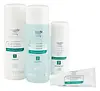
This barrier-repair moisturizer is formulated around Allantoin and Dimethicone to strengthen the skin barrier and calm redness.
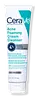
This benzoyl peroxide foaming cleanser is formulated around Benzoyl Peroxide to clear breakouts and help reduce acne-causing bacteria.

What's inside
What's inside
 Key Ingredients
Benefits
Concerns
Ingredients Side-by-side
Allantoin
Skin Conditioning




Carbomer
Emulsion StabilisingCeteareth-20
Cleansing

Cetearyl Alcohol
Emollient




Cyclopentasiloxane
Emollient
Cyclotetrasiloxane
Emollient
Diazolidinyl Urea
Preservative

Dimethicone
Emollient
Ethoxydiglycol
HumectantParfum
Masking

Glyceryl Stearate
Emollient
Methylparaben
Preservative

Panthenol
Skin Conditioning
PEG-100 Stearate
Surfactant
Propylene Glycol
Humectant
Propylparaben
Preservative
Water
Skin ConditioningTriethanolamine
BufferingXanthan Gum
EmulsifyingButylene Glycol
Humectant
Cymbopogon Schoenanthus Extract
Skin ConditioningEthylparaben
Preservative
Geranium Maculatum Extract
TonicGlycereth-26
Humectant
Hydrated Silica
Abrasive
Kaolin
Abrasive


Linoleic Acid
Cleansing
Linolenic Acid
Cleansing
Magnesium Aluminum Silicate
Absorbent
Melaleuca Alternifolia Leaf Oil
Antioxidant


Sodium Lauroyl Sarcosinate
CleansingTitanium Dioxide
Cosmetic Colorant
Tocopherol
Antioxidant


Tocopheryl Acetate
Antioxidant
Zinc Oxide
Cosmetic Colorant
Allantoin, Carbomer, Ceteareth-20, Cetearyl Alcohol, Cyclopentasiloxane, Cyclotetrasiloxane, Diazolidinyl Urea, Dimethicone, Ethoxydiglycol, Parfum, Glyceryl Stearate, Methylparaben, Panthenol, PEG-100 Stearate, Propylene Glycol, Propylparaben, Water, Triethanolamine, Xanthan Gum, Butylene Glycol, Cymbopogon Schoenanthus Extract, Ethylparaben, Geranium Maculatum Extract, Glycereth-26, Hydrated Silica, Kaolin, Linoleic Acid, Linolenic Acid, Magnesium Aluminum Silicate, Melaleuca Alternifolia Leaf Oil, Sodium Lauroyl Sarcosinate, Titanium Dioxide, Tocopherol, Tocopheryl Acetate, Zinc Oxide
Benzoyl Peroxide 4%


Water
Skin ConditioningGlycerin
Humectant
Propylene Glycol
Humectant
Cocamidopropyl Hydroxysultaine
Cleansing
Sodium C14-16 Olefin Sulfonate
Cleansing
Xanthan Gum
EmulsifyingPotassium Hydroxide
BufferingCeramide NP
Skin Conditioning
Ceramide AP
Skin Conditioning
Ceramide EOP
Skin Conditioning
Carbomer
Emulsion StabilisingNiacinamide
Smoothing

Glycolic Acid
Buffering
Sodium Chloride
MaskingSodium Citrate
BufferingSodium Hyaluronate
Humectant
Sodium Lauroyl Lactylate
EmulsifyingSodium Hydroxide
BufferingCholesterol
Emollient
Phenoxyethanol
Preservative
Propanediol
Solvent
Citric Acid
Buffering
Tetrasodium EDTA
Diethylhexyl Sodium Sulfosuccinate
CleansingPhytosphingosine
Skin Conditioning
Ethylhexylglycerin
Skin ConditioningBenzoic Acid
Masking
Benzoyl Peroxide 4%, Water, Glycerin, Propylene Glycol, Cocamidopropyl Hydroxysultaine, Sodium C14-16 Olefin Sulfonate, Xanthan Gum, Potassium Hydroxide, Ceramide NP, Ceramide AP, Ceramide EOP, Carbomer, Niacinamide, Glycolic Acid, Sodium Chloride, Sodium Citrate, Sodium Hyaluronate, Sodium Lauroyl Lactylate, Sodium Hydroxide, Cholesterol, Phenoxyethanol, Propanediol, Citric Acid, Tetrasodium EDTA, Diethylhexyl Sodium Sulfosuccinate, Phytosphingosine, Ethylhexylglycerin, Benzoic Acid
Reviews
Ingredients Explained
These ingredients are found in both products.
Ingredients higher up in an ingredient list are typically present in a larger amount.
Carbomer is a synthetic thickening and gelling agent. It's basically the ingredient that gives a lot of serums, gels, creams, and sunscreens their smooth, non-sticky texture.
Although legally permitted at very high levels, carbomers are normally used at concentrations below 1%.
It also needs to be neutralized to actually thicken, and because it is a large molecule, it doesn't really penetrate the skin barrier.
Allergy-wise, the risk is very low. Clinical studies show carbomers have low potential for skin irritation/sensitization even at concentrations up to 100%.
A 2024 UK study patch-tested 1,302 patients and found true allergy to the parent group of carbomer to be rare with no confirmed relevant reactions.
Learn more about CarbomerPropylene Glycol is a synthetic, colorless, odorless liquid that has been a staple in cosmetics for decades. It is a skin conditioning agent, humectant, and solvent.
As a humectant, it draw water to the skin to reduce flaking and restore suppleness. It's also a solvent that helps dissolve other actives and keeps formulas stable across temperature changes.
The CIR Expert Panel has confirmed this ingredient to be nontoxic and clinical studies show no sensitization at cosmetic use concentrations.
True allergic reactions are quite rare: a 15-year retrospective study of 6,751 patients found only 0.31% had a positive reaction (and less than half were considered clinically relevant).
It seemed that when sensitization does occur, it's most commonly linked to topical medication (like corticosteroids) and not cosmetics. Allergic contact dermatitis also appears largely limited to individuals with underlying skin conditions.
Overall, propylene glycol is a well-studied ingredient that most people can tolerate without issue.
Learn more about Propylene GlycolWater. It's the most common cosmetic ingredient of all. You'll usually see it at the top of ingredient lists, meaning that it makes up the largest part of the product.
So why is it so popular? Water most often acts as a solvent - this means that it helps dissolve other ingredients into the formulation.
You'll also recognize water as that liquid we all need to stay alive. If you see this, drink a glass of water. Remember to stay hydrated!
Learn more about WaterXanthan gum is used as a stabilizer and thickener within cosmetic products. It helps give products a sticky, thick feeling - preventing them from being too runny.
On the technical side of things, xanthan gum is a polysaccharide - a combination consisting of multiple sugar molecules bonded together.
Xanthan gum is a pretty common and great ingredient. It is a natural, non-toxic, non-irritating ingredient that is also commonly used in food products.
Learn more about Xanthan Gum

