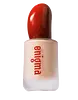
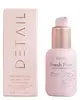
Enigma Skintroduction Longwear Liquid Foundation Versus Detail Cosmetics Fresh Filter Natural Finish Foundation

What's inside
What's inside
 Key Ingredients
Benefits
Concerns
Ingredients Side-by-side
Water
Skin ConditioningCyclopentasiloxane
Emollient
Trimethylsiloxysilicate
Emollient
Dimethicone
Emollient
Butylene Glycol
Humectant

Caprylyl Methicone
Skin Conditioning
Phenylbenzimidazole Sulfonic Acid
UV Absorber
PEG-10 Dimethicone
Skin Conditioning
Titanium Dioxide
Cosmetic Colorant
Vinyl Dimethicone/Methicone Silsesquioxane Crosspolymer

Cetyl PEG/PPG-10/1 Dimethicone
Emulsifying
Lauryl PEG-9 Polydimethylsiloxyethyl Dimethicone
Skin Conditioning
Aminomethyl Propanol
BufferingTribehenin
Emollient

1,2-Hexanediol
Skin Conditioning
Disteardimonium Hectorite
StabilisingMagnesium Sulfate
Nylon-12
Polymethyl Methacrylate
Sorbitan Sesquioleate
Emulsifying

Tocopheryl Acetate
Antioxidant


Phenoxyethanol
Preservative
Aluminum Hydroxide
EmollientPEG-9 Polydimethylsiloxyethyl Dimethicone
Emulsifying
Triethoxycaprylylsilane
Hydrated Silica
Abrasive
Parfum
Masking


Xanthan Gum
EmulsifyingHydrogen Dimethicone
Ethylhexylglycerin
Skin ConditioningSqualane
Emollient
Pentylene Glycol
Skin Conditioning
Ectoin
Skin Conditioning


Centella Asiatica Extract
Cleansing
Sodium Acetylated Hyaluronate
Humectant
Sodium Hyaluronate
Humectant
Polygonum Cuspidatum Root Extract
Antioxidant
Scutellaria Baicalensis Root Extract
Astringent
Sodium Hyaluronate Crosspolymer
Humectant
Camellia Sinensis Leaf Extract
Antimicrobial
Glycyrrhiza Glabra Root Extract
Bleaching
Tocopherol
Antioxidant
Hydrolyzed Sodium Hyaluronate
Skin Conditioning
Rosmarinus Officinalis Leaf Extract
AntimicrobialChamomilla Recutita Flower Extract
Masking
Water, Cyclopentasiloxane, Trimethylsiloxysilicate, Dimethicone, Butylene Glycol, Caprylyl Methicone, Phenylbenzimidazole Sulfonic Acid, PEG-10 Dimethicone, Titanium Dioxide, Vinyl Dimethicone/Methicone Silsesquioxane Crosspolymer, Cetyl PEG/PPG-10/1 Dimethicone, Lauryl PEG-9 Polydimethylsiloxyethyl Dimethicone, Aminomethyl Propanol, Tribehenin, 1,2-Hexanediol, Disteardimonium Hectorite, Magnesium Sulfate, Nylon-12, Polymethyl Methacrylate, Sorbitan Sesquioleate, Tocopheryl Acetate, Phenoxyethanol, Aluminum Hydroxide, PEG-9 Polydimethylsiloxyethyl Dimethicone, Triethoxycaprylylsilane, Hydrated Silica, Parfum, Xanthan Gum, Hydrogen Dimethicone, Ethylhexylglycerin, Squalane, Pentylene Glycol, Ectoin, Centella Asiatica Extract, Sodium Acetylated Hyaluronate, Sodium Hyaluronate, Polygonum Cuspidatum Root Extract, Scutellaria Baicalensis Root Extract, Sodium Hyaluronate Crosspolymer, Camellia Sinensis Leaf Extract, Glycyrrhiza Glabra Root Extract, Tocopherol, Hydrolyzed Sodium Hyaluronate, Rosmarinus Officinalis Leaf Extract, Chamomilla Recutita Flower Extract
Rosa Rugosa Flower Water
Masking
Cyclopentasiloxane
Emollient
Caprylic/Capric Triglyceride
Masking
Dimethicone
Emollient
PEG-8 Dimethicone
Emulsifying
Glycereth-12
HumectantTrimethylsiloxysilicate
Emollient
Silica
Abrasive
Phenyl Trimethicone
Skin Conditioning
PEG-10 Dimethicone
Skin Conditioning
Betaine
Humectant
Magnesium Stearate
Cosmetic ColorantMagnesium Sulfate
Tremella Fuciformis Polysaccharide
Emulsion Stabilising
Diazolidinyl Urea
Preservative
Centella Asiatica Extract
Cleansing
Tocopheryl Acetate
Antioxidant
Sodium Hyaluronate
Humectant
Niacinamide
Smoothing

CI 77891
Cosmetic ColorantCI 77492
Cosmetic ColorantCI 77491
Cosmetic ColorantCI 77499
Cosmetic ColorantRosa Rugosa Flower Water, Cyclopentasiloxane, Caprylic/Capric Triglyceride, Dimethicone, PEG-8 Dimethicone, Glycereth-12, Trimethylsiloxysilicate, Silica, Phenyl Trimethicone, PEG-10 Dimethicone, Betaine, Magnesium Stearate, Magnesium Sulfate, Tremella Fuciformis Polysaccharide, Diazolidinyl Urea, Centella Asiatica Extract, Tocopheryl Acetate, Sodium Hyaluronate, Niacinamide, CI 77891, CI 77492, CI 77491, CI 77499
Reviews
Ingredients Explained
These ingredients are found in both products.
Ingredients higher up in an ingredient list are typically present in a larger amount.
Centella Asiatica Extract (Centella) is one of the most researched botanical extracts in skincare with decades of studies backing its effects on inflammation, collagen, and the skin barrier.
That research keeps pointing back to the same four triterpenoid saponins: Asiaticoside, Madecassoside, Asiatic Acid, and Madecassic Acid.
These compounds allow centella to dial back inflammation, encourage the skin to build and hold onto collagen, support the barrier and hydration, and bring solid antioxidant activity to protect against signs of aging.
Centella also carries a nice supporting cast of Vitamin A, vitamin C, several B vitamins, and amino acids. Put it all together and you get an ingredient that soothes, hydrates, and protects, all at once.
Most of centella's magic comes from the four big compounds (Asiaticoside, Madecassoside, Asiatic Acid, and Madecassic Acid). These are the actives doing the heavy lifting in almost every centella study.
Here is the short version of what they do in the skin:
So it is not just soothing for the sake of soothing. Centella calms the skin AND helps it rebuild.
Just FYI, not all centella on an ingredient list is the same. What you are getting actually depends on the extract:
Fun fact on the ratios: the leaves tend to be richest in Madecassoside and Asiaticoside, and lower in the two acids. The exact amounts shift with where the plant is grown and how it is processed. This means purity really does vary brand to brand.
Centella is one of the most easygoing actives out there.
It layers well with basically everything: niacinamide, hyaluronic acid, peptides, and vitamin C, and also pairs nicely with stronger actives like retinoids and exfoliating acids where it can help take the edge off irritation.
On the safety side, centella and its triterpenes are classified as weak sensitizers, meaning allergic reactions are possible but uncommon.
Patch tests at 1% and 5% came back negative in test panels, and creams at typical use levels did not cause allergic reactions across large groups of people.
But as with any new active, a patch test is still a smart move for very reactive skin.
Centella is widely used because it is effective at low percentages. For context, human safety testing found no meaningful irritation from creams containing centella extract at everyday use levels (the tested amounts were well under 1%).
The irritancy threshold in animal testing was also above 30% (so real-world formulas sit far below anything concerning).
In collagen lab studies, higher concentrations drove more collagen synthesis, so serums built around centella tend to feature it more prominently.
Bottom line: you will find centella working nicely anywhere from a fraction of a percent up to hero-ingredient levels depending on whether it is a supporting soother or the main event.
Fun fact: Centella has been used as a medicine and in food for many centuries. As a medicine, it is used to treat burns, scratches, and wounds.
Learn more about Centella Asiatica ExtractCyclopentasiloxane (D5) is a lightweight silicone that mostly acts as an emollient and solvent in cosmetics. Its the reason your products feel silky, fast-spreading, and non-greasy.
Since D5 is volatile, it does its thing and then evaporates off the skin quickly.
The safety profile of this ingredient is reassuring; the US CIR Expert Panel concluded D5 is safe as used in cosmetics and Health Canada concluded that D5 is not harmful to human health or the environment as currently used in cosmetics
There's a study that people mention about D5 in a rat study showing tumors. This study is related to long-term inhalation of high D5 levels.
Regulatory bodies have judged this study to be not applicable in topical skincare since skin absorption of D5 is very low and we're not really inhaling huge amounts of D5.
The only restriction for this ingredient is environmental. The European Chemicals Agency (ECHA) restricted D5 in wash-off cosmetics at or above 0.1% due to their persistence in water.
Learn more about CyclopentasiloxaneDimethicone is a type of synthetic silicone created from natural materials such as quartz. It is also known as polydimethylsiloxane.
What it does:
Dimethicone comes in different viscosities:
Depending on the viscosity, dimethicone has different properties.
Ingredients lists don't always show which type is used, so we recommend reaching out to the brand if you have questions about the viscosity.
This ingredient is unlikely to cause irritation because it does not get absorbed into skin. However, people with silicone allergies should be careful about using this ingredient.
Note: Dimethicone may contribute to pilling. This is because it is not oil or water soluble, so pilling may occur when layered with products. When mixed with heavy oils in a formula, the outcome is also quite greasy.
Learn more about DimethiconeMagnesium Sulfate is a salt. More specifically, it is an epsom salt, or the bath salt used to help relieve muscle aches.
Despite having ‘sulfate’ in the name, it isn’t a surfactant or cleansing agent like sodium lauryl sulfate. Unlike those sulfates, magnesium sulfate doesn’t have the same cleansing or foaming properties (it's simply a type of salt).
In cosmetics, Magnesium Sulfate is used to thicken a product or help dilute other solids. It is a non-reactive and non-irritating ingredient.
One study shows magnesium deficiency may lead to inflammation of the skin. Applying magnesium topically may help reduce inflammation.
You can find this ingredient in sea water or mineral deposits.
Learn more about Magnesium SulfatePeg-10 Dimethicone is silicone with conditioner and emulsifier properties. It mostly acts as an emollient in skincare and and humectant in haircare.
According to the manufacturer, acidic formulations decrease the stability of this ingredient. It works best in neutral or near neutral formulations.
Sodium Hyaluronate is the salt form of hyaluronic acid. It is a long sugar chain that is naturally found in your skin, joints, and connective tissue that maintains hydration and elasticity.
In skincare, it works as a humectant. It pulls water from the environment and deeper layers of skin and binds it to the surface.
Interestingly, the size of the molecule affects its behavior:
Some clinical evidence links low molecular weight versions to improved wrinkle depth, elasticity, anti-inflammatory effects, and barrier repair.
Many serums use a blend of both weights so you can get surface hydration plus longer-lasting and deeper effects.
You'll typically see concentrations between 0.1-2% for this ingredient.
Learn more about Sodium HyaluronateTocopheryl Acetate is a stable, shelf-friendly form of vitamin E.
Formulators love it because plain vitamin E oxidizes quickly once it hits air. This acetate version stays stable and resists going off, helping to extend a product's shelf life.
It's actually inactive on its own and works like a slow-release "storage" form; the enzymes in your skin called esterases gradually convert it into active vitamin E over time.
One in vivo study showed 5% of the acetate in the living layer of the epidermis converted to vitamin E after 5 days of application. This study also found the skin gained protection against UV damage even though the conversion was slow and small.
Once converted, vitamin E acts as a skin's main fat-soluble antioxidant that fights free radicals to protect skin from damage.
Topical vitamin E generally boosts the skin's photoprotection, and it reduced UV-damage in animal models.
This ingredient has some brightening potential but it's more of a prevention ingredient than spot-fader. Cell studies show it can slow down melanin production but it's worth noting that it's not the most powerful brightener out there.
Overall, it has a pretty solid safety profile and has been found to be non-irritating and non-comedogenic. Allergic reactions may happen but stay rare due to how widely the ingredient gets used.
The concentration will vary depending on the formula; industry data shows 0.1% in baby lotions, 3% in lipsticks, and 5% in foot powders. You can also find this ingredient at 100% in a pure vitamin E oil.
Most leave-on skincare keeps it at the lower end, often between 0.5-1%.
Learn more about Tocopheryl AcetateThis silicone is an emollient. Emollients create a thin film on the skin to prevent moisture from escaping.
It is not soluble in water and helps increase water-resistance in products.
According to a manufacturer, it can blend seamlessly with silicone oils, such as Cyclopentasiloxane.
Learn more about Trimethylsiloxysilicate

