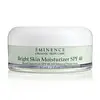
This brightening day moisturizer is formulated around Aloe Barbadensis Leaf Juice and Glycyrrhiza Glabra Root Extract to fade the look of dark spots and brighten dull-looking skin.
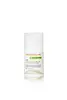
This smoothing day moisturizer is formulated around Gluconolactone and Saccharide Isomerate to refine skin texture and hydrate skin.


What's inside
What's inside
 Key Ingredients
Benefits
Concerns
Ingredients Side-by-side
Zinc Oxide 20%
Cosmetic Colorant


Aloe Barbadensis Leaf Juice
Skin Conditioning


Glycyrrhiza Glabra Root Extract
Bleaching



Citrus Limon Peel Extract
EmollientCymbopogon Schoenanthus Extract
Skin ConditioningSalix Alba Bark Extract
Astringent
Arctostaphylos Uva Ursi Leaf Extract
Skin Conditioning
Mentha Piperita Leaf Extract
Skin ConditioningRosmarinus Officinalis Leaf Extract
AntimicrobialSalvia Officinalis Extract
Antimicrobial
Persea Gratissima Oil
Skin Conditioning




Hypoxis Rooperi Rhizome Extract
Skin ConditioningGlycerin
Humectant
Butyrospermum Parkii Butter
Skin Conditioning
Cetearyl Alcohol
Emollient

Sodium Cetearyl Sulfate
Cleansing
Coco-Caprylate/Caprate
Emollient
Sempervivum Tectorum Extract
Skin ConditioningGlyceryl Stearate
Emollient
Malva Sylvestris Extract
AstringentPrimula Veris Extract
Skin ConditioningAlchemilla Vulgaris Extract
AstringentVeronica Officinalis Extract
Skin ConditioningMelissa Officinalis Leaf Extract
Skin ConditioningAchillea Millefolium Extract
CleansingPanthenol
Skin Conditioning
Sodium Hyaluronate
Humectant

Hydrolyzed Caesalpinia Spinosa Gum
AbsorbentMethyl Glucose Sesquistearate
Emollient
Lecithin
Emollient
Polyhydroxystearic Acid
Emulsifying
Xanthan Gum
EmulsifyingLactic Acid
Buffering



Ascorbyl Palmitate
Antioxidant
Citrus Limon Peel Oil
Masking



Benzyl Alcohol
Perfuming


Salicylic Acid
Masking

Sorbic Acid
Preservative
CI 75810
Cosmetic ColorantSodium Benzoate
Masking
Potassium Sorbate
Preservative
Sodium Phytate
ChelatingSodium PCA
Humectant
Euterpe Oleracea Fruit Extract
Citrus Limon Peel
MaskingMalpighia Glabra Fruit Extract
Skin ConditioningEmblica Officinalis Fruit
Skin ConditioningAdansonia Digitata Seed Oil
Emollient
Myrciaria Dubia Fruit Extract
Skin ConditioningDaucus Carota Sativa Root Extract
Skin Conditioning
Cocos Nucifera Water
Masking
Lycium Barbarum Fruit Extract
Astringent
Tapioca Starch
Zinc Oxide 20%, Aloe Barbadensis Leaf Juice, Glycyrrhiza Glabra Root Extract, Citrus Limon Peel Extract, Cymbopogon Schoenanthus Extract, Salix Alba Bark Extract, Arctostaphylos Uva Ursi Leaf Extract, Mentha Piperita Leaf Extract, Rosmarinus Officinalis Leaf Extract, Salvia Officinalis Extract, Persea Gratissima Oil, Hypoxis Rooperi Rhizome Extract, Glycerin, Butyrospermum Parkii Butter, Cetearyl Alcohol, Sodium Cetearyl Sulfate, Coco-Caprylate/Caprate, Sempervivum Tectorum Extract, Glyceryl Stearate, Malva Sylvestris Extract, Primula Veris Extract, Alchemilla Vulgaris Extract, Veronica Officinalis Extract, Melissa Officinalis Leaf Extract, Achillea Millefolium Extract, Panthenol, Sodium Hyaluronate, Hydrolyzed Caesalpinia Spinosa Gum, Methyl Glucose Sesquistearate, Lecithin, Polyhydroxystearic Acid, Xanthan Gum, Lactic Acid, Ascorbyl Palmitate, Citrus Limon Peel Oil, Benzyl Alcohol, Salicylic Acid, Sorbic Acid, CI 75810, Sodium Benzoate, Potassium Sorbate, Sodium Phytate, Sodium PCA, Euterpe Oleracea Fruit Extract, Citrus Limon Peel, Malpighia Glabra Fruit Extract, Emblica Officinalis Fruit, Adansonia Digitata Seed Oil, Myrciaria Dubia Fruit Extract, Daucus Carota Sativa Root Extract, Cocos Nucifera Water, Lycium Barbarum Fruit Extract, Tapioca Starch
Water
Skin ConditioningPropanediol
Solvent
Glycerin
Humectant
Carrageenan
Gluconolactone
Chelating
Sodium Benzoate
Masking
Calcium Gluconate
HumectantSaccharide Isomerate
Humectant
Citric Acid
Buffering
Sodium Citrate
BufferingSodium Hyaluronate
Humectant
Marrubium Vulgare Meristem Cell Culture
Skin ProtectingXanthan Gum
EmulsifyingMalva Sylvestris Extract
AstringentAlchemilla Vulgaris Extract
AstringentMelissa Officinalis Leaf Extract
Skin ConditioningMentha Piperita Leaf Extract
Skin ConditioningVeronica Officinalis Extract
Skin ConditioningAchillea Millefolium Extract
CleansingPrimula Veris Extract
Skin ConditioningCellulose Gum
Emulsion StabilisingSalicylic Acid
Masking
Centella Asiatica Extract
Cleansing
Euterpe Oleracea Fruit Extract
Potassium Sorbate
Preservative
Sorbic Acid
Preservative
Phoenix Dactylifera Fruit Extract
EmollientWater, Propanediol, Glycerin, Carrageenan, Gluconolactone, Sodium Benzoate, Calcium Gluconate, Saccharide Isomerate, Citric Acid, Sodium Citrate, Sodium Hyaluronate, Marrubium Vulgare Meristem Cell Culture, Xanthan Gum, Malva Sylvestris Extract, Alchemilla Vulgaris Extract, Melissa Officinalis Leaf Extract, Mentha Piperita Leaf Extract, Veronica Officinalis Extract, Achillea Millefolium Extract, Primula Veris Extract, Cellulose Gum, Salicylic Acid, Centella Asiatica Extract, Euterpe Oleracea Fruit Extract, Potassium Sorbate, Sorbic Acid, Phoenix Dactylifera Fruit Extract
Alternatives
Ingredients Explained
These ingredients are found in both products.
Ingredients higher up in an ingredient list are typically present in a larger amount.
Achillea Millefolium Extract comes from the yarrow plant. Yarrow is rich in antioxidants and fatty acids.
This ingredient is also known as lady's mantle.
This extract comes from the Cabbage Palm, AKA the Açaí berry! It has skin soothing and antioxidant properties.
Acai berries are rich in antioxidants, including ferulic acid (The famous vitamin C stabilizer). Antioxidants protect your skin against damaging free-radical molecules.
You can also find carbohydrates, lipids, proteins, minerals, vitamin A, and Vitamin C in these berries.
Learn more about Euterpe Oleracea Fruit ExtractGlycerin (or glycerol) is a compound naturally found in your skin. It's a powerhouse humectant that pulls water into the stratum corneum.
Topically, glycerin does several things at once:
Your skin makes glycerin on its own (mostly from sebaceous oil breakdown) and shuttles it to your outermost layer of skin, or your epidermis, via aquaporin-3.
Aquaporin-3 is a transporter that is essential for normal skin hydration, elasticity, and repair. Interestingly, mice lacking in AQP3 have dry and less elastic skin that can be fully corrected with glycerin.
This ingredient is non-irritating, plays well with almost every ingredient, and works across all skin types. Typical use is anywhere between 3-10% but can go up to 79% in some leave-on products.
Just know very high concentrations (>40%) can feel tacky in low humidity.
Glycerin is the name for this ingredient in American English. British English uses Glycerol/Glycerine.
Learn more about GlycerinWe don't have a description for Malva Sylvestris Extract yet.
Lemon balm is a mint-family herb with skin conditioning properties. It contains components such as rosmarinic acid, caffeic acid, geraniol, citronellal, and ursolic acid.
Mentha Piperita Leaf Extract is extract from peppermint leaves. It has a "cooling" sensory feel depending on what compounds are found in the extract.
Peppermint leaves contain polyphenols that antioxidant activity. In-vitro studies show anti-inflammatory and antimicrobial activity against some bacteria and fungi.
Evidence for mint as a "treatment" ingredient is limited and depends heavily on the specific extract type and concentration.
In large percentages, peppermint extract may sensitize the skin.
Learn more about Mentha Piperita Leaf ExtractPotassium Sorbate is a preservative used to prevent yeast and mold in products. It is commonly found in both cosmetic and food products.
This ingredient comes from potassium salt derived from sorbic acid. Sorbic acid is a natural antibiotic and effective against fungus.
Both potassium sorbate and sorbic acid can be found in baked goods, cheeses, dried meats, dried fruit, ice cream, pickles, wine, yogurt, and more.
You'll often find this ingredient used with other preservatives.
Learn more about Potassium SorbateWe don't have a description for Primula Veris Extract yet.
Salicylic Acid (also known as beta hydroxy acid or BHA) is a well-known ingredient for treating skin that struggles with acne and clogged pores. It exfoliates both the skin's surface and deep within the pores to help clear out buildup, control oil, and reduce inflammation.
Unlike AHAs (alpha hydroxy acids), salicylic acid is oil-soluble. This allows it to penetrate into pores which makes it especially effective for treating blackheads and preventing future breakouts.
Salicylic acid is also known for its soothing properties. It has a similar structure to aspirin and can calm inflamed or irritated skin, making it a good option for acne-prone skin that is also sensitive.
Concentrations of 0.5-2% are recognized by the U.S. FDA as an over-the-counter topical acne product.
It can cause irritation and/or dryness if one's skin already has a compromised moisture barrier, so it's best to focus on repairing that before introducing this ingredient into your routine.
While salicylic acid does not increase sun sensitivity, it’s still important to wear sunscreen daily to protect your skin.
If you are looking for the ingredient called BHA or Butylated Hydroxyanisole, click here.
Learn more about Salicylic AcidSodium Benzoate is a preservative. It's used in both cosmetic and food products to inhibit the growth of mold and bacteria. It is typically produced synthetically.
Both the US FDA and EU Health Committee have approved the use of sodium benzoate. In the US, levels of 0.1% (of the total product) are allowed.
Sodium benzoate works as a preservative by inhibiting the growth of bacteria inside of cells. It prevents the cell from fermenting a type of sugar using an enzyme called phosphofructokinase.
It is the salt of benzoic acid. Foods containing sodium benzoate include soda, salad dressings, condiments, fruit juices, wines, and snack foods.
Studies for using ascorbic acid and sodium benzoate in cosmetics are lacking, especially in skincare routines with multiple steps.
We always recommend speaking with a professional, such as a dermatologist, if you have any concerns.
Learn more about Sodium BenzoateSodium Hyaluronate is the salt form of hyaluronic acid. It is a long sugar chain that is naturally found in your skin, joints, and connective tissue that maintains hydration and elasticity.
In skincare, it works as a humectant. It pulls water from the environment and deeper layers of skin and binds it to the surface.
Interestingly, the size of the molecule affects its behavior:
Some clinical evidence links low molecular weight versions to improved wrinkle depth, elasticity, anti-inflammatory effects, and barrier repair.
Many serums use a blend of both weights so you can get surface hydration plus longer-lasting and deeper effects.
You'll typically see concentrations between 0.1-2% for this ingredient.
Learn more about Sodium HyaluronateSorbic Acid is a preservative that stops your product from spoiling by stopping microbes from growing.
As a preservative, it's kind of a specialist: it has a broad spectrum of activity against yeast and molds but is weaker against bacteria. That's why it's often paired with another preservative to cover that gap.
This ingredient is also pretty picky about pH; it performs best at pH 6.5 or below.
At the right pH level, sorbic acid is "active" and can slip through the outer wall of a microbe. Once inside, it turns the cell's interior more acidic to shut down the microbe from the inside.
The EU caps this ingredient at 0.6% while the CIR has concluded it's safe at concentrations up to 1%. It's most often used around 0.05-0.2% in cosmetics.
Though this ingredient is considered low-sensitizing and well-tolerated, a very small number of people may have a contact allergy to it. Be sure to patch test if you have a history of allergies towards preservatives.
Learn more about Sorbic AcidWe don't have a description for Veronica Officinalis Extract yet.
Xanthan gum is used as a stabilizer and thickener within cosmetic products. It helps give products a sticky, thick feeling - preventing them from being too runny.
On the technical side of things, xanthan gum is a polysaccharide - a combination consisting of multiple sugar molecules bonded together.
Xanthan gum is a pretty common and great ingredient. It is a natural, non-toxic, non-irritating ingredient that is also commonly used in food products.
Learn more about Xanthan Gum

