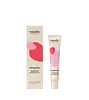
This smoothing day moisturizer is formulated around Niacinamide and Centella Asiatica Extract to refine skin texture and calm redness.
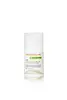
This smoothing day moisturizer is formulated around Gluconolactone and Saccharide Isomerate to refine skin texture and hydrate skin.


What's inside
What's inside
 Key Ingredients
Benefits
Concerns
Ingredients Side-by-side
Water
Skin ConditioningGlycerin
Humectant


Coco-Caprylate
Emollient
Isostearyl Alcohol
Emollient


Methyl Glucose Sesquistearate
Emollient
Myristyl Myristate
Emollient


Niacinamide
Smoothing









Betaine
Humectant
Isopropyl Isostearate
Emollient
Hibiscus Sabdariffa Flower Extract
Skin ConditioningCentella Asiatica Extract
Cleansing
Rhodomyrtus Tomentosa Fruit Extract
HumectantSodium PCA
Humectant
Glucose
Humectant
Propanediol
Solvent
Urea
Buffering
Glycine
Buffering
Lysine
Skin ConditioningPotassium Lactate
BufferingAllantoin
Skin Conditioning
Glutamic Acid
Humectant
Lactic Acid
Buffering

Calcium Gluconate
HumectantGluconolactone
Chelating
Acacia Senegal Gum
MaskingXanthan Gum
EmulsifyingHydroxyacetophenone
Antioxidant
Sodium Phytate
ChelatingCitric Acid
Buffering
Parfum
Masking

Sodium Benzoate
Masking
Potassium Sorbate
Preservative
Alpha-Isomethyl Ionone
Perfuming
Benzyl Salicylate
Perfuming
Geraniol
Perfuming
Citronellol
Perfuming
Hydroxycitronellal
Perfuming
Hexyl Cinnamal
Perfuming
Limonene
Perfuming
Linalool
Perfuming
Citrus Aurantium Peel Oil

Hexamethylindanopyran
Masking
Juniperus Virginiana Oil
Masking
Linalyl Acetate
Masking
Tetramethyl Acetyloctahydronaphthalenes
Masking
Water, Glycerin, Coco-Caprylate, Isostearyl Alcohol, Methyl Glucose Sesquistearate, Myristyl Myristate, Niacinamide, Betaine, Isopropyl Isostearate, Hibiscus Sabdariffa Flower Extract, Centella Asiatica Extract, Rhodomyrtus Tomentosa Fruit Extract, Sodium PCA, Glucose, Propanediol, Urea, Glycine, Lysine, Potassium Lactate, Allantoin, Glutamic Acid, Lactic Acid, Calcium Gluconate, Gluconolactone, Acacia Senegal Gum, Xanthan Gum, Hydroxyacetophenone, Sodium Phytate, Citric Acid, Parfum, Sodium Benzoate, Potassium Sorbate, Alpha-Isomethyl Ionone, Benzyl Salicylate, Geraniol, Citronellol, Hydroxycitronellal, Hexyl Cinnamal, Limonene, Linalool, Citrus Aurantium Peel Oil, Hexamethylindanopyran, Juniperus Virginiana Oil, Linalyl Acetate, Tetramethyl Acetyloctahydronaphthalenes
Water
Skin ConditioningPropanediol
Solvent
Glycerin
Humectant
Carrageenan
Gluconolactone
Chelating
Sodium Benzoate
Masking
Calcium Gluconate
HumectantSaccharide Isomerate
Humectant
Citric Acid
Buffering
Sodium Citrate
BufferingSodium Hyaluronate
Humectant
Marrubium Vulgare Meristem Cell Culture
Skin ProtectingXanthan Gum
EmulsifyingMalva Sylvestris Extract
AstringentAlchemilla Vulgaris Extract
AstringentMelissa Officinalis Leaf Extract
Skin ConditioningMentha Piperita Leaf Extract
Skin ConditioningVeronica Officinalis Extract
Skin ConditioningAchillea Millefolium Extract
CleansingPrimula Veris Extract
Skin ConditioningCellulose Gum
Emulsion StabilisingSalicylic Acid
Masking

Centella Asiatica Extract
Cleansing
Euterpe Oleracea Fruit Extract
Potassium Sorbate
Preservative
Sorbic Acid
Preservative
Phoenix Dactylifera Fruit Extract
EmollientWater, Propanediol, Glycerin, Carrageenan, Gluconolactone, Sodium Benzoate, Calcium Gluconate, Saccharide Isomerate, Citric Acid, Sodium Citrate, Sodium Hyaluronate, Marrubium Vulgare Meristem Cell Culture, Xanthan Gum, Malva Sylvestris Extract, Alchemilla Vulgaris Extract, Melissa Officinalis Leaf Extract, Mentha Piperita Leaf Extract, Veronica Officinalis Extract, Achillea Millefolium Extract, Primula Veris Extract, Cellulose Gum, Salicylic Acid, Centella Asiatica Extract, Euterpe Oleracea Fruit Extract, Potassium Sorbate, Sorbic Acid, Phoenix Dactylifera Fruit Extract
Ingredients Explained
These ingredients are found in both products.
Ingredients higher up in an ingredient list are typically present in a larger amount.
This ingredient is calcium salt of gluconic acid. It is a humectant, meaning it attracts water to your skin.
Centella Asiatica Extract (Centella) is one of the most researched botanical extracts in skincare with decades of studies backing its effects on inflammation, collagen, and the skin barrier.
That research keeps pointing back to the same four triterpenoid saponins: Asiaticoside, Madecassoside, Asiatic Acid, and Madecassic Acid.
These compounds allow centella to dial back inflammation, encourage the skin to build and hold onto collagen, support the barrier and hydration, and bring solid antioxidant activity to protect against signs of aging.
Centella also carries a nice supporting cast of Vitamin A, vitamin C, several B vitamins, and amino acids. Put it all together and you get an ingredient that soothes, hydrates, and protects, all at once.
Most of centella's magic comes from the four big compounds (Asiaticoside, Madecassoside, Asiatic Acid, and Madecassic Acid). These are the actives doing the heavy lifting in almost every centella study.
Here is the short version of what they do in the skin:
So it is not just soothing for the sake of soothing. Centella calms the skin AND helps it rebuild.
Just FYI, not all centella on an ingredient list is the same. What you are getting actually depends on the extract:
Fun fact on the ratios: the leaves tend to be richest in Madecassoside and Asiaticoside, and lower in the two acids. The exact amounts shift with where the plant is grown and how it is processed. This means purity really does vary brand to brand.
Centella is one of the most easygoing actives out there.
It layers well with basically everything: niacinamide, hyaluronic acid, peptides, and vitamin C, and also pairs nicely with stronger actives like retinoids and exfoliating acids where it can help take the edge off irritation.
On the safety side, centella and its triterpenes are classified as weak sensitizers, meaning allergic reactions are possible but uncommon.
Patch tests at 1% and 5% came back negative in test panels, and creams at typical use levels did not cause allergic reactions across large groups of people.
But as with any new active, a patch test is still a smart move for very reactive skin.
Centella is widely used because it is effective at low percentages. For context, human safety testing found no meaningful irritation from creams containing centella extract at everyday use levels (the tested amounts were well under 1%).
The irritancy threshold in animal testing was also above 30% (so real-world formulas sit far below anything concerning).
In collagen lab studies, higher concentrations drove more collagen synthesis, so serums built around centella tend to feature it more prominently.
Bottom line: you will find centella working nicely anywhere from a fraction of a percent up to hero-ingredient levels depending on whether it is a supporting soother or the main event.
Fun fact: Centella has been used as a medicine and in food for many centuries. As a medicine, it is used to treat burns, scratches, and wounds.
Learn more about Centella Asiatica ExtractCitric Acid is an alpha hydroxy acid (AHA) naturally found in citrus fruits like oranges, lemons, and limes.
Like other AHAs, citric acid can exfoliate skin by breaking down the bonds that hold dead skin cells together. This helps reveal smoother and brighter skin underneath.
However, this exfoliating effect only happens at high concentrations (20%) which can be hard to find in cosmetic products.
Due to this, citric acid is usually included in small amounts as a pH adjuster. This helps keep products slightly more acidic and compatible with skin's natural pH.
In skincare formulas, citric acid can:
While it can provide some skin benefits, research shows lactic acid and glycolic acid are generally more effective and less irritating exfoliants.
Most citric acid used in skincare today is made by fermenting sugars (usually from molasses). This synthetic version is identical to the natural citrus form but easier to stabilize and use in formulations.
Rosacea skin has a lower threshold for acids generally, with 62.5% of rosacea subjects in one study reacting to lactic acid in a sting test. This is why we mark citric acid as a potential rosacea trigger.
However, this ingredient shows up as a pH adjuster or chelator at roughly 0.1-1% in many products. These low levels are unlikely to be an issue for rosacea skin and becomes a potential trigger at exfoliating concentrations (20%). Because everybody's skin is unique, we recommend a patch test if you are unsure.
Learn more about Citric AcidGluconolactone is a PHA. PHAs are a great gentle alternative to traditional AHAs.
When applied, Gluconolactone has the same affect on skin as AHAs such as lactic acid. It helps dissolve the dead skin cells in the top layer of your skin. This improves texture and brightens the skin.
PHAs are more gentle than AHAs due to their larger structure. They do not penetrate as deeply as AHAs and take a longer time to dissolve dead cells. Studies show PHAs do not cause as much irritation.
Gluconolactone has some interesting properties:
In a 2004 study, Gluconolactone was found to prevent UV damage in mouse skin cells and has not been found to increase sun sensitivity. However, we still recommend wearing SPF daily.
This ingredient is is an created by reacting gluconic acid with an alcohol.
Learn more about GluconolactoneGlycerin (or glycerol) is a compound naturally found in your skin. It's a powerhouse humectant that pulls water into the stratum corneum.
Topically, glycerin does several things at once:
Your skin makes glycerin on its own (mostly from sebaceous oil breakdown) and shuttles it to your outermost layer of skin, or your epidermis, via aquaporin-3.
Aquaporin-3 is a transporter that is essential for normal skin hydration, elasticity, and repair. Interestingly, mice lacking in AQP3 have dry and less elastic skin that can be fully corrected with glycerin.
This ingredient is non-irritating, plays well with almost every ingredient, and works across all skin types. Typical use is anywhere between 3-10% but can go up to 79% in some leave-on products.
Just know very high concentrations (>40%) can feel tacky in low humidity.
Glycerin is the name for this ingredient in American English. British English uses Glycerol/Glycerine.
Learn more about GlycerinPotassium Sorbate is a preservative used to prevent yeast and mold in products. It is commonly found in both cosmetic and food products.
This ingredient comes from potassium salt derived from sorbic acid. Sorbic acid is a natural antibiotic and effective against fungus.
Both potassium sorbate and sorbic acid can be found in baked goods, cheeses, dried meats, dried fruit, ice cream, pickles, wine, yogurt, and more.
You'll often find this ingredient used with other preservatives.
Learn more about Potassium SorbatePropanediol is an all-star ingredient. It softens, hydrates, and smooths the skin.
It’s often used to:
Propanediol is not likely to cause sensitivity and considered safe to use. It is derived from corn or petroleum with a clear color and no scent.
Learn more about PropanediolSodium Benzoate is a preservative. It's used in both cosmetic and food products to inhibit the growth of mold and bacteria. It is typically produced synthetically.
Both the US FDA and EU Health Committee have approved the use of sodium benzoate. In the US, levels of 0.1% (of the total product) are allowed.
Sodium benzoate works as a preservative by inhibiting the growth of bacteria inside of cells. It prevents the cell from fermenting a type of sugar using an enzyme called phosphofructokinase.
It is the salt of benzoic acid. Foods containing sodium benzoate include soda, salad dressings, condiments, fruit juices, wines, and snack foods.
Studies for using ascorbic acid and sodium benzoate in cosmetics are lacking, especially in skincare routines with multiple steps.
We always recommend speaking with a professional, such as a dermatologist, if you have any concerns.
Learn more about Sodium BenzoateWater. It's the most common cosmetic ingredient of all. You'll usually see it at the top of ingredient lists, meaning that it makes up the largest part of the product.
So why is it so popular? Water most often acts as a solvent - this means that it helps dissolve other ingredients into the formulation.
You'll also recognize water as that liquid we all need to stay alive. If you see this, drink a glass of water. Remember to stay hydrated!
Learn more about WaterXanthan gum is used as a stabilizer and thickener within cosmetic products. It helps give products a sticky, thick feeling - preventing them from being too runny.
On the technical side of things, xanthan gum is a polysaccharide - a combination consisting of multiple sugar molecules bonded together.
Xanthan gum is a pretty common and great ingredient. It is a natural, non-toxic, non-irritating ingredient that is also commonly used in food products.
Learn more about Xanthan Gum

