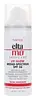
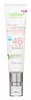
EltaMD, Inc UV Glow Tinted Broad-Spectrum Facial Sunscreen SPF 36 Versus Alba Botanica Facial Sheer Shield Sunscreen SPF 45
This mineral sunscreen covers the full UV range and blocks ~97% of UVB at SPF 36.
This chemical sunscreen covers most of the UV range, lighter on the deep UVA that drives aging.

What's inside
What's inside
 Key Ingredients
Benefits
Concerns
Ingredients Side-by-side
Zinc Oxide 20.15%
Cosmetic Colorant


Water
Skin ConditioningCoco-Caprylate/Caprate
Emollient
Niacinamide
Smoothing










Isopropyl Myristate
Emollient





Polyglyceryl-3 Diisostearate
Emulsifying
Ethyl Macadamiate
Skin Conditioning
Mica
Cosmetic ColorantGlycerin
Humectant
Propanediol
Solvent
Cetearyl Nonanoate
EmollientCapryloyl Glycerin/Sebacic Acid Copolymer
Skin ConditioningUndecane
EmollientCaprylic/Capric Triglyceride
Masking
Tridecane
Perfuming

Polyglyceryl-3 Polyricinoleate
Emulsifying
Disteardimonium Hectorite
StabilisingPhenoxyethanol
Preservative
Octyldodecyl Oleate
Emollient
Sodium Chloride
MaskingMagnesium Sulfate
Tocopheryl Acetate
Antioxidant

Isostearic Acid
Cleansing
Cocos Nucifera Fruit Extract
Emollient
Xanthan Gum
EmulsifyingBisabolol
Antioxidant
Silica
Abrasive
Sodium Hyaluronate
Humectant
Aloe Barbadensis Leaf Juice
Skin Conditioning
Lactic Acid
Buffering
Zingiber Officinale Root Extract
Masking
Ergothioneine
Antioxidant
Iron Oxides
Zinc Oxide 20.15%, Water, Coco-Caprylate/Caprate, Niacinamide, Isopropyl Myristate, Polyglyceryl-3 Diisostearate, Ethyl Macadamiate, Mica, Glycerin, Propanediol, Cetearyl Nonanoate, Capryloyl Glycerin/Sebacic Acid Copolymer, Undecane, Caprylic/Capric Triglyceride, Tridecane, Polyglyceryl-3 Polyricinoleate, Disteardimonium Hectorite, Phenoxyethanol, Octyldodecyl Oleate, Sodium Chloride, Magnesium Sulfate, Tocopheryl Acetate, Isostearic Acid, Cocos Nucifera Fruit Extract, Xanthan Gum, Bisabolol, Silica, Sodium Hyaluronate, Aloe Barbadensis Leaf Juice, Lactic Acid, Zingiber Officinale Root Extract, Ergothioneine, Iron Oxides
Butyl Methoxydibenzoylmethane 3%
UV Absorber
Homosalate 10%
Skin Conditioning
Octocrylene 10%
UV Absorber
Ethylhexyl Salicylate 5%
UV Absorber
Water
Skin ConditioningCetyl Alcohol
Emollient
Glycerin
Humectant
Glyceryl Stearate Se
Emulsifying
Dimethicone
Emollient
Caprylic/Capric Triglyceride
Masking
Vp/Hexadecene Copolymer
Aloe Barbadensis Leaf Juice
Skin Conditioning
Calendula Officinalis Flower Extract
Masking
Camellia Sinensis Leaf Extract
Antimicrobial
Chamomilla Recutita Flower Extract
Masking
Ginkgo Biloba Leaf Extract
Skin Conditioning
Lavandula Angustifolia Flower Extract
Cleansing
Panax Ginseng Root Extract
Emollient
Tocopheryl Acetate
Antioxidant
Alcohol
Antimicrobial

Cetearyl Alcohol
Emollient
Cetearyl Olivate
Citric Acid
Buffering
Polysorbate 60
Emulsifying
Sodium Chloride
MaskingSodium Stearoyl Glutamate
CleansingSorbitan Olivate
Emulsifying
Xanthan Gum
EmulsifyingBenzyl Alcohol
Perfuming
Potassium Sorbate
Preservative
Sodium Benzoate
Masking
Butyl Methoxydibenzoylmethane 3%, Homosalate 10%, Octocrylene 10%, Ethylhexyl Salicylate 5%, Water, Cetyl Alcohol, Glycerin, Glyceryl Stearate Se, Dimethicone, Caprylic/Capric Triglyceride, Vp/Hexadecene Copolymer, Aloe Barbadensis Leaf Juice, Calendula Officinalis Flower Extract, Camellia Sinensis Leaf Extract, Chamomilla Recutita Flower Extract, Ginkgo Biloba Leaf Extract, Lavandula Angustifolia Flower Extract, Panax Ginseng Root Extract, Tocopheryl Acetate, Alcohol, Cetearyl Alcohol, Cetearyl Olivate, Citric Acid, Polysorbate 60, Sodium Chloride, Sodium Stearoyl Glutamate, Sorbitan Olivate, Xanthan Gum, Benzyl Alcohol, Potassium Sorbate, Sodium Benzoate
Ingredients Explained
These ingredients are found in both products.
Ingredients higher up in an ingredient list are typically present in a larger amount.
Aloe Barbadensis Leaf Juice is the filtered, stabilized liquid pressed from the inner gel of the aloe vera leaf.
In cosmetics, it shows up as either soothing active or a water-replacement base. It is roughly 98-99% water and the last 1-2% is an interesting mix of polysaccharides, amino acids, vitamins, minerals, and enzymes.
The polysaccharides do most of the work: they bind water at the skin surface for a light, non-greasy hydration boost. And one of the polysaccharides, glycomannan, is linked to fibroblast stimulation + collagen synthesis. This is also why aloe has such a long track record in wound and burn healing.
This ingredient is also calming with anti-inflammatory and mild antimicrobial activity, making it a great pick for sensitive, irritated, or post-sun skin.
Realistic expectations matter though; the solid evidence is mostly limited to hydration, soothing, and wound support. Deeper claims about anti-aging or sun protection are not well backed, and science reviews note it does not prevent radiation-induced skin injury.
Because it plays well with almost everything, it's commonly used as a base alongside other actives like niacinamide or vitamin C.
Typical usage concentrations range from 0.5% (where hydration benefits already show up) all the way to 90%+ (where it replaces water as the main base).
The safety for this ingredient is well-establish as well. Overall, this is a great supporting ingredient for those who want a boost in hydration.
Learn more about Aloe Barbadensis Leaf JuiceCaprylic/Capric Triglyceride (aka MCT Oil) is a lightweight emollient, solvent, and texture enhancer. It is considered a skin-softener by helping to prevent moisture loss.
Though it behaves like an oil, it is not technically one due to its chemical composition. One perk of this ingredient is that it is very stable, resistant to oxidation, and unlikely to go rancid.
In practice, that translates to a long shelf life and a consistently elegant skin feel.
While there is an assumption Caprylic Triglyceride can clog pores due to it being derived from coconut oil, there is no research supporting this. Just patch test if you have concerns.
Fractionated coconut oil and MCT Oil are both listed as Caprylic/Capric Triglyceride according to INCI. This is because INCI names are based on the ingredient’s final chemical composition and not its marketing name or source.
This ingredient is treated as the gold standard fungal acne safe oil. Even though it is coconut derived, the problematic lauric acid is stripped out.
This leaves just caprylic (C8) and capric (C10) acid. These chain lengths actually trend antifungal; a 2020 study found caprylic acid was enough to disrupt Malassezia furfur cell membrane, with a caprylic acid derivative damaging membrane structures at concentrations as low as 0.2%.
Learn more about Caprylic/Capric TriglycerideGlycerin (or glycerol) is a compound naturally found in your skin. It's a powerhouse humectant that pulls water into the stratum corneum.
Topically, glycerin does several things at once:
Your skin makes glycerin on its own (mostly from sebaceous oil breakdown) and shuttles it to your outermost layer of skin, or your epidermis, via aquaporin-3.
Aquaporin-3 is a transporter that is essential for normal skin hydration, elasticity, and repair. Interestingly, mice lacking in AQP3 have dry and less elastic skin that can be fully corrected with glycerin.
This ingredient is non-irritating, plays well with almost every ingredient, and works across all skin types. Typical use is anywhere between 3-10% but can go up to 79% in some leave-on products.
Just know very high concentrations (>40%) can feel tacky in low humidity.
Glycerin is the name for this ingredient in American English. British English uses Glycerol/Glycerine.
Learn more about GlycerinChances are, you eat sodium chloride every day. Sodium Chloride is also known as table salt. This ingredient has many purposes in skincare: thickener, emulsifier, and exfoliator.
You'll most likely find this ingredient in cleansers where it is used to create a gel-like texture. As an emulsifier, it also prevents ingredients from separating.
You might see people debate whether Sodium Chloride is comedogenic, but there actually haven't been any comedogenic tests done on it. Either way, the overall formulation of a product matters a lot more than any single ingredient.
You might see this ingredient used in scrubs as a primary exfoliating ingredient.
Learn more about Sodium ChlorideTocopheryl Acetate is a stable, shelf-friendly form of vitamin E.
Formulators love it because plain vitamin E oxidizes quickly once it hits air. This acetate version stays stable and resists going off, helping to extend a product's shelf life.
It's actually inactive on its own and works like a slow-release "storage" form; the enzymes in your skin called esterases gradually convert it into active vitamin E over time.
One in vivo study showed 5% of the acetate in the living layer of the epidermis converted to vitamin E after 5 days of application. This study also found the skin gained protection against UV damage even though the conversion was slow and small.
Once converted, vitamin E acts as a skin's main fat-soluble antioxidant that fights free radicals to protect skin from damage.
Topical vitamin E generally boosts the skin's photoprotection, and it reduced UV-damage in animal models.
This ingredient has some brightening potential but it's more of a prevention ingredient than spot-fader. Cell studies show it can slow down melanin production but it's worth noting that it's not the most powerful brightener out there.
Overall, it has a pretty solid safety profile and has been found to be non-irritating and non-comedogenic. Allergic reactions may happen but stay rare due to how widely the ingredient gets used.
The concentration will vary depending on the formula; industry data shows 0.1% in baby lotions, 3% in lipsticks, and 5% in foot powders. You can also find this ingredient at 100% in a pure vitamin E oil.
Most leave-on skincare keeps it at the lower end, often between 0.5-1%.
Learn more about Tocopheryl AcetateWater. It's the most common cosmetic ingredient of all. You'll usually see it at the top of ingredient lists, meaning that it makes up the largest part of the product.
So why is it so popular? Water most often acts as a solvent - this means that it helps dissolve other ingredients into the formulation.
You'll also recognize water as that liquid we all need to stay alive. If you see this, drink a glass of water. Remember to stay hydrated!
Learn more about WaterXanthan gum is used as a stabilizer and thickener within cosmetic products. It helps give products a sticky, thick feeling - preventing them from being too runny.
On the technical side of things, xanthan gum is a polysaccharide - a combination consisting of multiple sugar molecules bonded together.
Xanthan gum is a pretty common and great ingredient. It is a natural, non-toxic, non-irritating ingredient that is also commonly used in food products.
Learn more about Xanthan Gum

