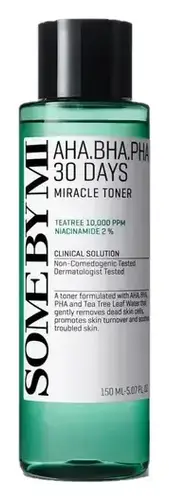
This hydrating toner is formulated around Camellia Sinensis Leaf Extract and Salix Alba Bark Extract to hydrate skin and balance excess oil.
This brightening toner is formulated around Galactomyces Ferment Filtrate and Niacinamide to brighten dull-looking skin and fade the look of dark spots.


What's inside
What's inside
 Key Ingredients
Benefits
Concerns
Ingredients Side-by-side
Water
Skin ConditioningGlycerin
Humectant


Propanediol
Solvent
Camellia Sinensis Leaf Extract
Antimicrobial






Hamamelis Virginiana Water
Astringent



Brassica Oleracea Italica Extract
Astringent1,2-Hexanediol
Skin Conditioning
Butylene Glycol
Humectant
Pentylene Glycol
Skin Conditioning
Salix Alba Bark Extract
Astringent
Caffeine
Skin Conditioning
Xanthan Gum
EmulsifyingBetaine
Humectant
Salvia Officinalis Leaf Extract
CleansingAllantoin
Skin Conditioning
Melissa Officinalis Leaf Extract
Skin ConditioningSodium Citrate
BufferingCitric Acid
Buffering
Arctium Majus Root Extract
Skin Conditioning
Mentha Piperita Leaf Extract
Skin ConditioningViscum Album Leaf Extract
SoothingJuniperus Communis Fruit Extract
Perfuming
Beta-Glucan
Skin Conditioning
Ethylhexylglycerin
Skin ConditioningHypericum Perforatum Extract
AntimicrobialSaponaria Officinalis Extract
Skin ConditioningCaprylic/Capric Triglyceride
Masking
Phenoxyethanol
Preservative
Sodium Phytate
ChelatingHydrogenated Lecithin
Emulsifying
Ceramide NP
Skin Conditioning
Tocopherol
Antioxidant
Terminalia Chebula Fruit Extract
Skin ConditioningCaesalpinia Sappan Bark Extract
Skin ConditioningMagnolia Obovata Bark Extract
Skin ConditioningWater, Glycerin, Propanediol, Camellia Sinensis Leaf Extract, Hamamelis Virginiana Water, Brassica Oleracea Italica Extract, 1,2-Hexanediol, Butylene Glycol, Pentylene Glycol, Salix Alba Bark Extract, Caffeine, Xanthan Gum, Betaine, Salvia Officinalis Leaf Extract, Allantoin, Melissa Officinalis Leaf Extract, Sodium Citrate, Citric Acid, Arctium Majus Root Extract, Mentha Piperita Leaf Extract, Viscum Album Leaf Extract, Juniperus Communis Fruit Extract, Beta-Glucan, Ethylhexylglycerin, Hypericum Perforatum Extract, Saponaria Officinalis Extract, Caprylic/Capric Triglyceride, Phenoxyethanol, Sodium Phytate, Hydrogenated Lecithin, Ceramide NP, Tocopherol, Terminalia Chebula Fruit Extract, Caesalpinia Sappan Bark Extract, Magnolia Obovata Bark Extract
Galactomyces Ferment Filtrate
Humectant
Butylene Glycol
Humectant
1,2-Hexanediol
Skin Conditioning
Niacinamide
Smoothing


Glycerin
Humectant
Ascorbic Acid
Antioxidant
Tromethamine
BufferingC12-14 Pareth-12
EmulsifyingWater
Skin ConditioningAllantoin
Skin Conditioning
Cellulose Gum
Emulsion StabilisingEthylhexylglycerin
Skin ConditioningAdenosine
Skin Conditioning
Hydrogenated Lecithin
Emulsifying
Polyglyceryl-10 Stearate
Skin Conditioning
Panthenol
Skin Conditioning
Sodium Ascorbyl Phosphate
Antioxidant
Phenylethyl Resorcinol
Antioxidant
Propolis Extract
Skin Conditioning
Aronia Melanocarpa Fruit Extract
Skin ConditioningAspalathus Linearis Extract
Skin ConditioningBambusa Vulgaris Extract
Skin Conditioning
Maltodextrin
Absorbent
Saccharide Hydrolysate
HumectantFicus Carica Fruit Extract
Humectant
Phoenix Dactylifera Fruit Extract
EmollientTuber Magnatum Extract
Skin ConditioningBiotin
AntiseborrhoeicFolic Acid
Skin ConditioningHouttuynia Cordata Extract
Skin Conditioning
Pyridoxine
Skin ConditioningOpuntia Coccinellifera Fruit Extract
Skin ConditioningOpuntia Ficus-Indica Extract
Skin Conditioning
Caprylic/Capric Triglyceride
Masking
Adansonia Digitata Seed Extract
Skin ConditioningLeuconostoc/Radish Root Ferment Filtrate
Antimicrobial
Brassica Oleracea Italica Extract
AstringentCalendula Officinalis Flower Extract
Masking
Sparassis Crispa Extract
Emulsion StabilisingCyanocobalamin
Skin ConditioningTocopherol
Antioxidant
Euterpe Oleracea Fruit Extract
Ribes Nigrum Fruit Extract
Astringent
Rubus Fruticosus Fruit Extract
AstringentRubus Idaeus Fruit Extract
AstringentVaccinium Angustifolium Fruit Extract
Skin Protecting
Vaccinium Macrocarpon Fruit Extract
AstringentVaccinium Myrtillus Fruit Extract
Skin ConditioningSpirulina Maxima Extract
SmoothingAstaxanthin
Skin Conditioning
Inositol
Humectant
Linoleic Acid
Cleansing
Thiamine Hcl
MaskingDisodium EDTA
ChelatingCitrus Aurantium Bergamia Fruit Oil
Masking

Limonene
Perfuming
Lavandula Angustifolia Oil
Masking
Linalool
Perfuming
Caramel
Cosmetic ColorantGalactomyces Ferment Filtrate, Butylene Glycol, 1,2-Hexanediol, Niacinamide, Glycerin, Ascorbic Acid, Tromethamine, C12-14 Pareth-12, Water, Allantoin, Cellulose Gum, Ethylhexylglycerin, Adenosine, Hydrogenated Lecithin, Polyglyceryl-10 Stearate, Panthenol, Sodium Ascorbyl Phosphate, Phenylethyl Resorcinol, Propolis Extract, Aronia Melanocarpa Fruit Extract, Aspalathus Linearis Extract, Bambusa Vulgaris Extract, Maltodextrin, Saccharide Hydrolysate, Ficus Carica Fruit Extract, Phoenix Dactylifera Fruit Extract, Tuber Magnatum Extract, Biotin, Folic Acid, Houttuynia Cordata Extract, Pyridoxine, Opuntia Coccinellifera Fruit Extract, Opuntia Ficus-Indica Extract, Caprylic/Capric Triglyceride, Adansonia Digitata Seed Extract, Leuconostoc/Radish Root Ferment Filtrate, Brassica Oleracea Italica Extract, Calendula Officinalis Flower Extract, Sparassis Crispa Extract, Cyanocobalamin, Tocopherol, Euterpe Oleracea Fruit Extract, Ribes Nigrum Fruit Extract, Rubus Fruticosus Fruit Extract, Rubus Idaeus Fruit Extract, Vaccinium Angustifolium Fruit Extract, Vaccinium Macrocarpon Fruit Extract, Vaccinium Myrtillus Fruit Extract, Spirulina Maxima Extract, Astaxanthin, Inositol, Linoleic Acid, Thiamine Hcl, Disodium EDTA, Citrus Aurantium Bergamia Fruit Oil, Limonene, Lavandula Angustifolia Oil, Linalool, Caramel
Reviews
Ingredients Explained
These ingredients are found in both products.
Ingredients higher up in an ingredient list are typically present in a larger amount.
1,2-Hexanediol is a synthetic liquid and another multi-functional powerhouse.
It is a:
- Humectant, drawing moisture into the skin
- Emollient, helping to soften skin
- Solvent, dispersing and stabilizing formulas
- Preservative booster, enhancing the antimicrobial activity of other preservatives
Allantoin is a soothing ingredient known for its protective and moisturizing properties; it's basically a quiet workhorse ingredient you can find in a huge range of cosmetics.
Though it can be derived from the comfrey plant, allantoin is produced synthetically for cosmetic products to ensure purity.
Research shows it can encourage your skin cells to turn over and renew by stimulating keratinocyte and fibroblast proliferation.
It also has mild keratolytic properties to help loosen and shed dead skin cells without being harsh.
Studies also suggest allantoin can help calm inflammation by dialing down some of the chemical signals your skin sends out when it is irritated.
This ingredient is typically used in the 0.1-0.5% range, and the FDA recognizes it as a skin protectant in OTC products up to 2%.
Overall, allantoin is a wonderful addition to most routines; it is stable across a wide pH range (~4-8), works well with other ingredients, and is considered non-sensitizing/non-irritating.
Fun fact: Allantoin is naturally occurring in comfrey root, beets, chamomile, and wheat sprouts. Our bodies even produce it as a byproduct of uric acid metabolism.
Learn more about AllantoinYou might know Brassica Oleracea Italica as Broccoli. Broccoli is rich in antioxidants.
Broccoli extract is rich in antioxidants. Antioxidants help fight free-radical molecules. These unstable molecules may damage your skin cells. By helping to stabilize them, antioxidants may help with anti-aging. Beta-carotene, vitamin A, and vitamin C are three types of antioxidants found in broccoli.
Broccoli is also rich in fatty acids such as oleic and linoleic acids.
Brassica Oleracea Italica Extract can be extracted from any part of the broccoli plant.
Learn more about Brassica Oleracea Italica ExtractButylene Glycol (or BG) is used within cosmetic products for a few different reasons:
Overall, Butylene Glycol is a safe and well-rounded ingredient that works well with other ingredients.
Though this ingredient works well with most skin types, some people with sensitive skin may experience a reaction such as allergic rashes, closed comedones, or itchiness.
Learn more about Butylene GlycolCaprylic/Capric Triglyceride (aka MCT Oil) is a lightweight emollient, solvent, and texture enhancer. It is considered a skin-softener by helping to prevent moisture loss.
Though it behaves like an oil, it is not technically one due to its chemical composition. One perk of this ingredient is that it is very stable, resistant to oxidation, and unlikely to go rancid.
In practice, that translates to a long shelf life and a consistently elegant skin feel.
While there is an assumption Caprylic Triglyceride can clog pores due to it being derived from coconut oil, there is no research supporting this. Just patch test if you have concerns.
Fractionated coconut oil and MCT Oil are both listed as Caprylic/Capric Triglyceride according to INCI. This is because INCI names are based on the ingredient’s final chemical composition and not its marketing name or source.
This ingredient is treated as the gold standard fungal acne safe oil. Even though it is coconut derived, the problematic lauric acid is stripped out.
This leaves just caprylic (C8) and capric (C10) acid. These chain lengths actually trend antifungal; a 2020 study found caprylic acid was enough to disrupt Malassezia furfur cell membrane, with a caprylic acid derivative damaging membrane structures at concentrations as low as 0.2%.
Learn more about Caprylic/Capric TriglycerideEthylhexylglycerin is created from glycerin. It is a multitasker ingredient that:
The CIR Expert Panel found minimal skin absorption or sensitization of any kind in a safety assessment. Though this ingredient is considered well-tolerated, a small number of cases of allergic dermatitis have been published since 2002. Just be sure to patch test if you are unsure.
Industry-reported use ranges from 8% in rinse-off products and 2% in leave-on formulations.
Learn more about EthylhexylglycerinGlycerin (or glycerol) is a compound naturally found in your skin. It's a powerhouse humectant that pulls water into the stratum corneum.
Topically, glycerin does several things at once:
Your skin makes glycerin on its own (mostly from sebaceous oil breakdown) and shuttles it to your outermost layer of skin, or your epidermis, via aquaporin-3.
Aquaporin-3 is a transporter that is essential for normal skin hydration, elasticity, and repair. Interestingly, mice lacking in AQP3 have dry and less elastic skin that can be fully corrected with glycerin.
This ingredient is non-irritating, plays well with almost every ingredient, and works across all skin types. Typical use is anywhere between 3-10% but can go up to 79% in some leave-on products.
Just know very high concentrations (>40%) can feel tacky in low humidity.
Glycerin is the name for this ingredient in American English. British English uses Glycerol/Glycerine.
Learn more about GlycerinHydrogenated Lecithin is a more stable version of lecithin.
It's made by taking lecithin (a phospholipid commonly found in soybeans and egg yolks) and hydrogenating it. This just means the unsaturated fatty acids are turned into saturated ones so they don't go bad as easily.
This ingredient is an emollient, emulsifier, and penetration enhancer. As an emollient, it helps soften and hydrate skin by trapping moisture within. As an emulsifier, it prevents oil and water ingredients from separating.
Hydrogenated Lecithin can form tiny spherical structures made of phospholipid bilayers called liposomes. These liposomes are able to capture compounds inside their structure and deliver them through the skin barrier.
Because phospholipids are a natural component of our cell membranes, this ingredient is inherently compatible with skin.
A 2021 study found lecithin-based surfactants were less harsh and more tolerable comared to Sodium Lauryl Sulfate (SLS).
Learn more about Hydrogenated LecithinTocopherol is a fat-soluble antioxidant known as Vitamin E.
You'll find this ingredient in the vast majority of skincare (for good reason). It works to neutralize free radicals, or unstable molecules generated by UV exposure, pollution, and other environmental stressors, before they can cause oxidative damage to your skin cells.
Topically applied tocopherol has been shown to protect against UV damage by ramping up the skin's own natural defense enzymes.
It also acts as a skin conditioning agent; some studies show that regular topical use can improve the skin's water-binding capacity over 2-4 weeks.
This ingredient is especially loved for being a team player. When combined with Vitamin C, the photoprotective effect of both ingredients roughly doubles and the combo also helps reduce UV-induced DNA damage.
This ingredient has some brightening potential but it's more of a prevention ingredient than spot-fader. Cell studies show it can slow down melanin production but it's worth noting that it's not the most powerful brightener out there.
In formulations, it also serves as a stabilizer that helps protect other oxidation-prone ingredients from degrading.
Concentrations usually range from 0.1-1% in most leave-on products.
Learn more about TocopherolWater. It's the most common cosmetic ingredient of all. You'll usually see it at the top of ingredient lists, meaning that it makes up the largest part of the product.
So why is it so popular? Water most often acts as a solvent - this means that it helps dissolve other ingredients into the formulation.
You'll also recognize water as that liquid we all need to stay alive. If you see this, drink a glass of water. Remember to stay hydrated!
Learn more about Water